


 |
市场调查报告书
商品编码
1896745
全球国防加固通讯市场(2026-2036)Global Defense Rugged Communication Market 2026-2036 |
||||||

据估计,全球国防加固通讯市场在2026年的价值为147.7亿美元,预计到2036年将达到231.1亿美元,2026年至2036年的复合年增长率为4.58%。
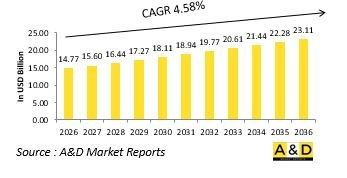
国防加固通讯市场概述:
国防加固通讯市场专注于设计和部署能够在恶劣环境和操作条件下运作的高耐久性和高可靠性通讯系统。 这些系统构成了现代军事网络的核心,确保陆地、海洋、空中和太空各指挥部、部队和资产之间不间断的通讯。坚固耐用的通讯解决方案包括无线电、卫星终端、网路设备和安全资料系统,这些设备旨在承受恶劣天气条件、衝击、振动和电磁干扰。随着现代战争越来越依赖即时数据交换和协调,坚固耐用的通讯技术在维持态势感知和作战效能方面发挥着至关重要的作用。它们能够在偏远和敌对地区实现无缝连接,支援传统通讯系统可能失效的关键任务行动。对坚固耐用且安全的通讯基础设施日益增长的依赖,是全球对坚固耐用型国防系统需求不断增长的基础。
科技对国防坚固型通讯市场的影响:
技术创新正在透过增强连接性、资料安全性和系统整合来重塑国防坚固型通讯领域。软体定义无线电的采用实现了灵活的频率管理,并提高了盟军之间的互通性。 先进的加密演算法和抗量子通讯协定增强了网路安全,并保护了敏感的战场资讯。人工智慧和机器学习的整合实现了预测性维护和动态频宽分配,从而即时优化网路效能。小型化和模组化设计提高了便携性,同时保持了高耐用性和功能性。此外,卫星通讯和网状网路技术的进步使得在广阔复杂的地形上也能实现不间断通讯。 5G 和边缘运算技术的广泛应用促进了零延迟资料交换,并加快了决策速度。这些创新正在将坚固耐用的通讯系统转变为智慧、适应性强的网络,能够在高度对抗和不可预测的环境中支援多域作战。
国防加固通讯市场的主要驱动因素:
现代军事行动日益复杂,对可靠、安全和持续通讯的需求不断增长,正在推动国防加固通讯市场的成长。由于军队在各种各样、往往充满敌意的环境中作战,因此对能够在恶劣条件下完美运作的系统的需求至关重要。 电子战和网路威胁的兴起进一步凸显了对安全、抗干扰通讯技术的重视。全球国防现代化专案优先考虑用先进的网路通讯解决方案取代过时的系统,以增强联合部队之间的互通性。此外,无人平台和自主系统的激增需要强大的高频宽通讯网路来实现远端控制和即时资料传输。向网路中心战的转变以及快速战术调整的需求进一步强调了强大的通讯系统的重要性,这些系统能够确保在动态作战场景中不间断的连接。这些因素正在汇聚,从而强化市场成长势头,因为通讯优势已成为国防效能的关键因素。
国防加固型通讯市场的区域趋势:
国防加固型通讯市场的区域趋势反映了不同的策略目标和技术发展水准。北美在广泛部署支援全球军事行动的安全型下一代通讯系统方面处于领先地位。 欧洲正着力提升互通性和联合防御能力,整合强大的网路以连结多国部队。亚太地区正迅速扩展其通讯基础设施,以加强边境安全、海上监视和数位防御态势。中东优先考虑能够在极端高温和沙漠环境下运作的坚固耐用型解决方案,尤其是在指挥控制应用方面。拉丁美洲和非洲正透过现代化计画和国际防务伙伴关係逐步采用坚固耐用型通讯技术。在所有地区,都明确强调发展具有韧性、安全性和灵活性的通讯架构,以实现即时协调、资料交换和态势感知,从而提高现代战场环境下的军事战备水准和整体任务效能。
国防加固通讯重点项目:
美国高性能InGaAs和锗光电二极体製造商GPD光电公司宣布,已获得一份价值14,455,986美元的合同,用于开发其下一代软体定义战术光调製解调器“STOMPeR”(原名RADS技术)。该合约凸显了GPD在提供关键任务光学组件方面的专业实力,并巩固了其在推进美国国防部门安全通讯方面的作用。
作为此专案的一部分,GPD将致力于改进加固型光接收器的製造工艺,这对于确保在恶劣和对抗环境中运行的自由空间光通讯(FSO)系统的可靠性至关重要。
目录
国防加固通讯市场 - 目录
国防加固通讯市场报告定义
国防加固通讯市场细分
按应用
按地区
按平台
未来十年国防加固通讯市场分析
本章透过对未来十年国防加固通讯市场的分析,详细概述了国防加固通讯市场的成长、趋势变化、技术应用概况和市场吸引力。
国防加固通讯市场技术
本节讨论了预计将影响该市场的十大技术,以及这些技术可能对整体市场产生的潜在影响。
全球国防加固通讯市场预测
以上各细分市场详细阐述了未来十年国防加固通讯市场的预测。
区域国防加固通讯市场趋势及预测
本部分涵盖区域国防加固通讯市场的趋势、驱动因素、限制、挑战以及政治、经济、社会和技术因素。此外,也提供详细的区域市场预测和情境分析。最终的区域分析包括主要公司概况、供应商状况和公司基准分析。目前市场规模是基于 "一切照旧" 情境估算的。
北美
驱动因素、限制因素与挑战
PEST分析
市场预测与情境分析
主要公司
供应商层级结构
公司标竿分析
欧洲
中东
亚太地区
南美洲
国防加固通讯市场国家分析
本章涵盖该市场的主要国防项目以及最新的市场动态和专利申请。此外,本章也提供未来十年各国的市场预测和情境分析。
美国
国防项目
最新消息
专利
当前市场技术成熟度
市场预测与情境分析
加拿大
义大利
法国
德国
荷兰
比利时
西班牙
瑞典
德国
澳洲
南非
印度
中国
俄罗斯
南非
韩国
日本
马来西亚
新加坡
巴西
国防加固通讯市场机会矩阵
机会矩阵帮助读者了解该市场中高机会细分领域。
关于国防加固通讯市场报告的专家意见
本报告总结了我们专家对此市场分析潜力的意见。
结论
关于航空与国防市场报告
The Global Defense Rugged Communication market is estimated at USD 14.77 billion in 2026, projected to grow to USD 23.11 billion by 2036 at a Compound Annual Growth Rate (CAGR) of 4.58% over the forecast period 2026-2036.
Introduction to Defense Rugged Communication Market:
The defense rugged communication market focuses on the design and deployment of highly durable and reliable communication systems capable of performing under extreme environmental and operational conditions. These systems serve as the backbone of modern military networks, ensuring uninterrupted communication between command centers, troops, and assets across land, sea, air, and space domains. Rugged communication solutions include radios, satellite terminals, networking devices, and secure data systems engineered to withstand harsh weather, shock, vibration, and electromagnetic interference. As modern warfare increasingly depends on real-time data exchange and coordination, rugged communication technologies play a critical role in maintaining situational awareness and operational efficiency. They enable seamless connectivity, even in remote or contested environments, supporting mission-critical operations where conventional communication systems may fail. This growing reliance on robust and secure communication infrastructure underpins the expanding global demand for ruggedized defense systems.
Technology Impact in Defense Rugged Communication Market:
Technological advancements are reshaping the defense rugged communication landscape by enhancing connectivity, data security, and system integration. The adoption of software-defined radios has enabled flexible frequency management and improved interoperability among allied forces. Advanced encryption algorithms and quantum-resistant communication protocols strengthen cybersecurity and safeguard sensitive battlefield information. The integration of artificial intelligence and machine learning allows predictive maintenance and dynamic bandwidth allocation, optimizing network performance in real time. Miniaturization and modular design have improved portability while maintaining high resilience and functionality. Additionally, advances in satellite and mesh networking enable uninterrupted communication across vast and complex terrains. The growing use of 5G and edge computing technologies enhances latency-free data exchange, empowering faster decision-making. Collectively, these innovations are transforming rugged communication systems into intelligent, adaptive networks capable of supporting multi-domain operations in highly contested and unpredictable environments.
Key Drivers in Defense Rugged Communication Market:
The increasing complexity of modern military operations and the demand for reliable, secure, and continuous communication drive the defense rugged communication market. As armed forces operate in diverse and often hostile environments, the need for systems that can perform flawlessly under stress has become paramount. The rise of electronic warfare and cyber threats has intensified the focus on secure, interference-resistant communication technologies. Defense modernization programs worldwide prioritize upgrading legacy systems with advanced, networked communication solutions that enhance interoperability across joint forces. Additionally, the expansion of unmanned platforms and autonomous systems requires robust, high-bandwidth communication networks for remote control and real-time data transfer. The shift toward network-centric warfare and rapid tactical coordination further underscores the importance of rugged communication systems that ensure uninterrupted connectivity in dynamic combat scenarios. These factors collectively strengthen the market's growth trajectory as communication superiority becomes a decisive element in defense effectiveness.
Regional Trends in Defense Rugged Communication Market:
Regional trends in the defense rugged communication market reflect differing strategic goals and levels of technological advancement. North America leads with extensive deployment of secure, next-generation communication systems supporting global military operations. Europe focuses on interoperability and joint defense initiatives, integrating rugged networks that connect multinational forces. The Asia-Pacific region is rapidly expanding its communication infrastructure to enhance border security, maritime surveillance, and digital defense readiness. The Middle East prioritizes ruggedized solutions capable of functioning in extreme heat and desert conditions, particularly for command and control applications. Latin America and Africa are gradually adopting rugged communication technologies through modernization programs and international defense partnerships. Across all regions, there is a clear emphasis on developing resilient, secure, and flexible communication architectures that enable real-time coordination, data exchange, and situational awareness, thereby strengthening military responsiveness and overall mission effectiveness in modern warfare environments.
Key Defense Rugged Communication Program:
GPD Optoelectronics Corp a U.S. producer of high-performance InGaAs and Germanium photodiodes, announced it has received a $14,455,986 contract to develop the next-generation Software-defined Tactical Optical Modem for Performance and Ruggedization (STOMPeR), previously known as Rugged Adaptive Detection and Signaling (RADS) technology. The award underscores GPD's expertise in delivering mission-critical optical components and reinforces its role in advancing secure communications for the U.S. defense sector.
As part of the project, GPD will focus on improving manufacturing processes for rugged optical receivers, which are essential for ensuring the reliability of Free Space Optical (FSO) communication systems operating in challenging and contested environments.
Table of Contents
Defense Rugged Communication Market - Table of Contents
Defense Rugged Communication Market Report Definition
Defense Rugged Communication Market Segmentation
By Application
By Region
By Platform
Defense Rugged Communication Market Analysis for next 10 Years
The 10-year defense rugged communication market analysis would give a detailed overview of defense rugged communication market growth, changing dynamics, technology adoption overviews and the overall market attractiveness is covered in this chapter.
Market Technologies of Defense Rugged Communication Market
This segment covers the top 10 technologies that is expected to impact this market and the possible implications these technologies would have on the overall market.
Global Defense Rugged Communication Market Forecast
The 10-year defense rugged communication market forecast of this market is covered in detailed across the segments which are mentioned above.
Regional Defense Rugged Communication Market Trends & Forecast
The regional defense rugged communication market trends, drivers, restraints and Challenges of this market, the Political, Economic, Social and Technology aspects are covered in this segment. The market forecast and scenario analysis across regions are also covered in detailed in this segment. The last part of the regional analysis includes profiling of the key companies, supplier landscape and company benchmarking. The current market size is estimated based on the normal scenario.
North America
Drivers, Restraints and Challenges
PEST
Market Forecast & Scenario Analysis
Key Companies
Supplier Tier Landscape
Company Benchmarking
Europe
Middle East
APAC
South America
Country Analysis of Defense Rugged Communication Market
This chapter deals with the key defense programs in this market, it also covers the latest news and patents which have been filed in this market. Country level 10 year market forecast and scenario analysis are also covered in this chapter.
US
Defense Programs
Latest News
Patents
Current levels of technology maturation in this market
Market Forecast & Scenario Analysis
Canada
Italy
France
Germany
Netherlands
Belgium
Spain
Sweden
Greece
Australia
South Africa
India
China
Russia
South Korea
Japan
Malaysia
Singapore
Brazil
Opportunity Matrix for Defense Rugged Communication Market
The opportunity matrix helps the readers understand the high opportunity segments in this market.
Expert Opinions on Defense Rugged Communication Market Report
Hear from our experts their opinion of the possible analysis for this market.
Conclusions
About Aviation and Defense Market Reports
List of Tables
- Table 1: 10 Year Market Outlook, 2025-2035
- Table 2: Drivers, Impact Analysis, North America
- Table 3: Restraints, Impact Analysis, North America
- Table 4: Challenges, Impact Analysis, North America
- Table 5: Drivers, Impact Analysis, Europe
- Table 6: Restraints, Impact Analysis, Europe
- Table 7: Challenges, Impact Analysis, Europe
- Table 8: Drivers, Impact Analysis, Middle East
- Table 9: Restraints, Impact Analysis, Middle East
- Table 10: Challenges, Impact Analysis, Middle East
- Table 11: Drivers, Impact Analysis, APAC
- Table 12: Restraints, Impact Analysis, APAC
- Table 13: Challenges, Impact Analysis, APAC
- Table 14: Drivers, Impact Analysis, South America
- Table 15: Restraints, Impact Analysis, South America
- Table 16: Challenges, Impact Analysis, South America
- Table 17: Scenario Analysis, Scenario 1, By Region, 2025-2035
- Table 18: Scenario Analysis, Scenario 1, By Application, 2025-2035
- Table 19: Scenario Analysis, Scenario 1, By Platform, 2025-2035
- Table 20: Scenario Analysis, Scenario 2, By Region, 2025-2035
- Table 21: Scenario Analysis, Scenario 2, By Application, 2025-2035
- Table 22: Scenario Analysis, Scenario 2, By Platform, 2025-2035
List of Figures
- Figure 1: Global Defense Rugged Communication Forecast, 2025-2035
- Figure 2: Global Defense Rugged Communication Forecast, By Region, 2025-2035
- Figure 3: Global Defense Rugged Communication Forecast, By Application, 2025-2035
- Figure 4: Global Defense Rugged Communication Forecast, By Platform, 2025-2035
- Figure 5: North America, Defense Rugged Communication, Market Forecast, 2025-2035
- Figure 6: Europe, Defense Rugged Communication, Market Forecast, 2025-2035
- Figure 7: Middle East, Defense Rugged Communication, Market Forecast, 2025-2035
- Figure 8: APAC, Defense Rugged Communication, Market Forecast, 2025-2035
- Figure 9: South America, Defense Rugged Communication, Market Forecast, 2025-2035
- Figure 10: United States, Defense Rugged Communication, Technology Maturation, 2025-2035
- Figure 11: United States, Defense Rugged Communication, Market Forecast, 2025-2035
- Figure 12: Canada, Defense Rugged Communication, Technology Maturation, 2025-2035
- Figure 13: Canada, Defense Rugged Communication, Market Forecast, 2025-2035
- Figure 14: Italy, Defense Rugged Communication, Technology Maturation, 2025-2035
- Figure 15: Italy, Defense Rugged Communication, Market Forecast, 2025-2035
- Figure 16: France, Defense Rugged Communication, Technology Maturation, 2025-2035
- Figure 17: France, Defense Rugged Communication, Market Forecast, 2025-2035
- Figure 18: Germany, Defense Rugged Communication, Technology Maturation, 2025-2035
- Figure 19: Germany, Defense Rugged Communication, Market Forecast, 2025-2035
- Figure 20: Netherlands, Defense Rugged Communication, Technology Maturation, 2025-2035
- Figure 21: Netherlands, Defense Rugged Communication, Market Forecast, 2025-2035
- Figure 22: Belgium, Defense Rugged Communication, Technology Maturation, 2025-2035
- Figure 23: Belgium, Defense Rugged Communication, Market Forecast, 2025-2035
- Figure 24: Spain, Defense Rugged Communication, Technology Maturation, 2025-2035
- Figure 25: Spain, Defense Rugged Communication, Market Forecast, 2025-2035
- Figure 26: Sweden, Defense Rugged Communication, Technology Maturation, 2025-2035
- Figure 27: Sweden, Defense Rugged Communication, Market Forecast, 2025-2035
- Figure 28: Brazil, Defense Rugged Communication, Technology Maturation, 2025-2035
- Figure 29: Brazil, Defense Rugged Communication, Market Forecast, 2025-2035
- Figure 30: Australia, Defense Rugged Communication, Technology Maturation, 2025-2035
- Figure 31: Australia, Defense Rugged Communication, Market Forecast, 2025-2035
- Figure 32: India, Defense Rugged Communication, Technology Maturation, 2025-2035
- Figure 33: India, Defense Rugged Communication, Market Forecast, 2025-2035
- Figure 34: China, Defense Rugged Communication, Technology Maturation, 2025-2035
- Figure 35: China, Defense Rugged Communication, Market Forecast, 2025-2035
- Figure 36: Saudi Arabia, Defense Rugged Communication, Technology Maturation, 2025-2035
- Figure 37: Saudi Arabia, Defense Rugged Communication, Market Forecast, 2025-2035
- Figure 38: South Korea, Defense Rugged Communication, Technology Maturation, 2025-2035
- Figure 39: South Korea, Defense Rugged Communication, Market Forecast, 2025-2035
- Figure 40: Japan, Defense Rugged Communication, Technology Maturation, 2025-2035
- Figure 41: Japan, Defense Rugged Communication, Market Forecast, 2025-2035
- Figure 42: Malaysia, Defense Rugged Communication, Technology Maturation, 2025-2035
- Figure 43: Malaysia, Defense Rugged Communication, Market Forecast, 2025-2035
- Figure 44: Singapore, Defense Rugged Communication, Technology Maturation, 2025-2035
- Figure 45: Singapore, Defense Rugged Communication, Market Forecast, 2025-2035
- Figure 46: United Kingdom, Defense Rugged Communication, Technology Maturation, 2025-2035
- Figure 47: United Kingdom, Defense Rugged Communication, Market Forecast, 2025-2035
- Figure 48: Opportunity Analysis, Defense Rugged Communication, By Region (Cumulative Market), 2025-2035
- Figure 49: Opportunity Analysis, Defense Rugged Communication, By Region (CAGR), 2025-2035
- Figure 50: Opportunity Analysis, Defense Rugged Communication, By Application (Cumulative Market), 2025-2035
- Figure 51: Opportunity Analysis, Defense Rugged Communication, By Application (CAGR), 2025-2035
- Figure 52: Opportunity Analysis, Defense Rugged Communication, By Platform (Cumulative Market), 2025-2035
- Figure 53: Opportunity Analysis, Defense Rugged Communication, By Platform (CAGR), 2025-2035
- Figure 54: Scenario Analysis, Defense Rugged Communication, Cumulative Market, 2025-2035
- Figure 55: Scenario Analysis, Defense Rugged Communication, Global Market, 2025-2035
- Figure 56: Scenario 1, Defense Rugged Communication, Total Market, 2025-2035
- Figure 57: Scenario 1, Defense Rugged Communication, By Region, 2025-2035
- Figure 58: Scenario 1, Defense Rugged Communication, By Application, 2025-2035
- Figure 59: Scenario 1, Defense Rugged Communication, By Platform, 2025-2035
- Figure 60: Scenario 2, Defense Rugged Communication, Total Market, 2025-2035
- Figure 61: Scenario 2, Defense Rugged Communication, By Region, 2025-2035
- Figure 62: Scenario 2, Defense Rugged Communication, By Application, 2025-2035
- Figure 63: Scenario 2, Defense Rugged Communication, By Platform, 2025-2035
- Figure 64: Company Benchmark, Defense Rugged Communication, 2025-2035

 军用飞机通讯航空电子设备市场分析及预测(至2035年):按类型、产品、服务、技术、组件、应用、设备、部署和最终用户划分国防通讯系统市场分析及预测(至2035年):依类型、产品类型、服务、技术、组件、应用、部署类型、最终用户、模组及功能划分
 军事通讯市场-全球产业规模、份额、趋势、机会、预测:组件、技术、平台、应用、区域和竞争格局(2021-2031年)
 军事通讯市场规模、份额和成长分析(按组件、通讯类型、应用、最终用户和地区划分)-2026-2033年产业预测军用飞机通讯航空电子设备市场-全球产业规模、份额、趋势、机会和预测,按飞机类型、组件、应用、地区和竞争格局划分,2020-2030年预测
 军事通讯市场(按产品类型、平台类型和应用)—2025-2032 年全球预测
 军事通讯市场(按通讯类型、组件和地区划分)
 军事卫星通讯:基础设施开发(2000年~2035年)
 2025年军事通讯全球市场报告2025年军用飞机通讯航空电子设备全球市场报告