


 |
市场调查报告书
商品编码
1905001
全球国防装甲材料市场(2026-2036)Global Defense Armor Materials Market 2026-2036 |
||||||

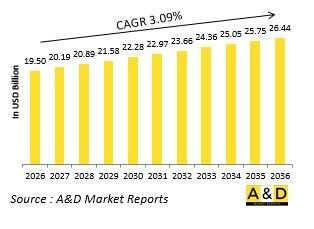
据估计,2026年全球国防装甲材料市场规模为195亿美元,预计到2036年将达到264.4亿美元,2026年至2036年的复合年增长率(CAGR)为3.09%。
国防装甲材料市场简介
全球国防装甲材料市场涵盖用于保护人员、车辆、船舰和飞机免受弹道、爆炸、弹片和定向能威胁的专用材料。现代装甲对材料科学提出了复杂的挑战,需要在各种作战场景下平衡防护等级、重量、厚度、成本和多威胁应对能力。所用材料包括高硬度钢、铝合金、陶瓷、复合材料、透明装甲以及能够主动防御威胁的反应系统。应用范围涵盖个人防弹衣、车辆应用套件、主战坦克的整合式车身结构以及舰船和飞机的防护系统。随着威胁机制的演变,例如聚能装药、爆炸成形穿甲弹和动能穿甲弹,装甲材料必须透过新的材料组合、几何形状以及主动防护系统的整合来应对挑战。威胁与防护之间的持续衝突推动着这个至关重要的国防领域的持续创新。
科技对国防装甲材料市场的影响
装甲材料的技术进步主要集中在多功能性、轻量化和自适应防护方面。奈米工程材料,包括碳奈米管、石墨烯和金属玻璃,为下一代装甲系统提供了卓越的强度重量比。透明陶瓷和层压聚合物复合材料在提升弹道防护性能的同时,也能减轻遮蔽视线和顶篷应用中的重量。积层製造技术能够生产具有梯度材料特性的复杂装甲零件,这些零件可针对特定威胁进行最佳化。主动防护系统能够侦测并拦截来袭威胁,从而在被动装甲材料受到攻击之前就将其拦截,起到补充作用。多重打击设计透过精心设计的失效模式,确保即使在首次受到攻击后也能持续提供防护。整合式健康监测感测器无需目视检查即可检测装甲损伤。这些进步解决了装甲设计中的一个根本挑战:在保证最大防护性能的同时,最大限度地减少重量和体积,并保持经济性,以便广泛部署。
国防装甲材料市场的主要驱动因素
从先进的火箭推进榴弹到顶部攻击飞弹系统,威力日益强大的反装甲武器的扩散,不断催生了对更先进防护解决方案的需求。非对称作战环境使平台和人员面临各种威胁,包括简易爆炸装置,因此需要能够有效应对多种威胁机制的装甲解决方案。车辆重量受限于运输性、机动性和燃油效率,因此需要轻质装甲材料,以最大限度地提高单位品质的防护能力。增强人员防护的需求推动了舒适、灵活的防弹衣的研发,这种防弹衣能够在提供广泛防护的同时,又不限制行动能力。平台生存能力的要求促使人们采用整合装甲结构,这种结构能够在保护关键部件和乘员舱的同时,最大限度地减轻整体重量。此外,成本方面的考虑也推动了製造流程和替代材料的创新,以在可持续的采购和生命週期成本下,大规模地提供所需的防护水平。
国防装甲材料市场区域趋势
各地区的装甲材料产能反映了威胁环境、车辆装备状况和工业技术水准的差异。北美地区的研发重点是为下一代作战车辆整合被动、反应和主动元件的车辆防护系统。欧洲的创新则着重于轮式装甲车辆和个人防护系统的轻质复合材料解决方案。亚太地区正快速推动陶瓷装甲材料和现有平台车辆改装方案的研发。以色列工业凭藉其持续的作战经验和快速原型製造能力,在创新装甲解决方案方面表现卓越。中东国家正投资于全面的车辆防护升级,以应对特定的区域威胁和环境条件。发展中国家越来越多地寻求技术转让,以在车辆采购合约中实现本地装甲生产。全球材料供应和出口管制影响着区域生产能力,而一些具有重要战略意义的地区则受到某些战略材料的限制,这促使人们进行本地替代和研发活动。
本报告检视并分析了全球国防装甲材料市场,提供了影响该市场的技术资讯、未来十年的预测以及区域趋势。
目录
国防装甲材料市场报告定义
国防装甲材料市场区隔
按地区
按类型
按应用
未来十年国防装甲材料市场分析
国防装甲材料市场技术
全球国防装甲材料市场预测
区域国防装甲材料市场趋势及预测
北美
驱动因素、限制因素与挑战
PEST分析
市场预测及情境分析
主要公司
供应商层级市场概况
公司标竿分析
欧洲
中东
亚太地区
南美洲
国防装甲材料市场国家分析
美国
国防项目
最新消息
专利
当前市场技术成熟度
市场预测及情境分析
加拿大
义大利
法国
德国
荷兰
比利时
西班牙
瑞典
希腊
澳洲
南非
印度
中国
俄罗斯
韩国
日本
马来西亚
新加坡
巴西
国防装甲材料市场机会矩阵
专家对国防装甲材料市场报告的意见
结论
关于航空和国防市场报告
The Global Defense Armor Materials market is estimated at USD 19.50 billion in 2026, projected to grow to USD 26.44 billion by 2036 at a Compound Annual Growth Rate (CAGR) of 3.09% over the forecast period 2026-2036.
Introduction to Defense Armor Materials Market
The Global Defense Armor Materials Market encompasses specialized materials engineered to protect personnel, vehicles, vessels, and aircraft from ballistic, blast, fragmentary, and directed energy threats. Modern armor represents a sophisticated materials science challenge, balancing protection level, weight, thickness, cost, and multi-threat capability across diverse operational scenarios. Materials employed include high-hardness steels, aluminum alloys, ceramics, composites, transparent armors, and reactive systems that actively defeat threats. Applications range from personal body armor and vehicle applique kits to integrated hull structures for main battle tanks and protective systems for ships and aircraft. As threat mechanisms evolve-incorporating shaped charges, explosively formed penetrators, and kinetic energy penetrators-armor materials must correspondingly advance through novel material combinations, geometrical arrangements, and active protection integration. The perpetual competition between threat and protection drives continuous innovation in this fundamentally important defense sector.
Technology Impact in Defense Armor Materials Market:
Technological evolution in armor materials focuses on multi-functional capability, weight reduction, and adaptive protection. Nano-engineered materials-including carbon nanotubes, graphene, and metallic glasses-offer exceptional strength-to-weight ratios for next-generation armor systems. Transparent ceramics and laminated polymer composites provide improved ballistic protection for vision blocks and canopy applications with reduced weight. Additive manufacturing enables complex geometry armor components with graded material properties optimized for specific threat directions. Active protection systems detect and intercept incoming threats before impact, complementing passive armor materials. Multi-hit capability designs ensure continued protection after initial impacts through carefully engineered failure modes. Integrated health monitoring sensors detect armor damage without visual inspection. These advancements address the fundamental armor design challenge of providing maximum protection within minimum weight and volume allocations while maintaining affordability for widespread deployment.
Key Drivers in Defense Armor Materials Market:
The proliferation of increasingly potent anti-armor weapons-from advanced rocket-propelled grenades to top-attack missile systems-creates continuous demand for improved protective solutions. Asymmetric warfare environments expose platforms and personnel to diverse threats including improvised explosive devices, requiring armor solutions effective across multiple threat mechanisms. Vehicle weight constraints-dictated by transportability, mobility, and fuel efficiency-mandate lightweight armor materials that maximize protection per unit mass. Personnel protection enhancement drives development of more comfortable, flexible body armor that provides greater coverage without restricting mobility. Platform survivability requirements favor integrated armor architectures that protect critical components and crew compartments while minimizing overall weight penalty. Additionally, cost considerations drive innovation in manufacturing processes and material alternatives that deliver required protection levels at sustainable acquisition and lifecycle costs for large-scale deployment.
Regional Trends in Defense Armor Materials Market:
Regional armor material capabilities reflect differing threat environments, vehicle inventories, and industrial expertise. North American development emphasizes integrated vehicle protection suites combining passive, reactive, and active elements for next-generation combat vehicles. European innovation focuses on lightweight composite solutions for wheeled armored vehicles and personal protection systems. The Asia-Pacific region shows rapid advancement in ceramic armor materials and vehicle upgrade packages for existing platforms. Israeli industry excels in innovative armor solutions derived from continuous operational experience and rapid prototyping capabilities. Middle Eastern nations invest in comprehensive vehicle protection upgrades tailored to specific regional threats and environmental conditions. Developing nations increasingly seek technology transfer for local armor production as part of vehicle procurement agreements. Global material availability and export controls influence regional capabilities, with some strategic materials subject to restrictions that drive local substitution or development efforts in strategically important regions.
Key Defense Armor Materials Program:
BEML Limited's June 2025 licensing pacts with DRDO's VRDE for Arjun MBT variants include composite armor modules for Unit Maintenance Vehicle (UMV) and Repair Vehicle (URV). Valued at ₹1,000+ crore over 5 years, contracts cover 100+ units with Kanchan-Dyneema hybrid panels offering 1.5x steel protection at 40% weight. Production at BEML's Bangalore plant ramps to 20/year by 2027, enhancing 124 Arjun Mk1A fleet sustainment. Field trials validated blast resistance, addressing mobility issues in deserts. This supports Army's 2030 armored recapitalization, reducing import reliance from Israel/Russia.
Table of Contents
Defense Armor Materials Market Report Definition
Defense Armor Materials Market Segmentation
By Region
By Type
By Application
Defense Armor Materials Market Analysis for next 10 Years
The 10-year Defense Armor Materials Market analysis would give a detailed overview of Defense Armor Materials Market growth, changing dynamics, technology adoption overviews and the overall market attractiveness is covered in this chapter.
Market Technologies of Defense Armor Materials Market
This segment covers the top 10 technologies that is expected to impact this market and the possible implications these technologies would have on the overall market.
Global Defense Armor Materials Market Forecast
The 10-year Defense Armor Materials Market forecast of this market is covered in detailed across the segments which are mentioned above.
Regional Defense Armor Materials Market Trends & Forecast
The regional Defense Armor Materials Market trends, drivers, restraints and Challenges of this market, the Political, Economic, Social and Technology aspects are covered in this segment. The market forecast and scenario analysis across regions are also covered in detailed in this segment. The last part of the regional analysis includes profiling of the key companies, supplier landscape and company benchmarking. The current market size is estimated based on the normal scenario.
North America
Drivers, Restraints and Challenges
PEST
Market Forecast & Scenario Analysis
Key Companies
Supplier Tier Landscape
Company Benchmarking
Europe
Middle East
APAC
South America
Country Analysis of Defense Armor Materials Market
This chapter deals with the key defense programs in this market, it also covers the latest news and patents which have been filed in this market. Country level 10 year market forecast and scenario analysis are also covered in this chapter.
US
Defense Programs
Latest News
Patents
Current levels of technology maturation in this market
Market Forecast & Scenario Analysis
Canada
Italy
France
Germany
Netherlands
Belgium
Spain
Sweden
Greece
Australia
South Africa
India
China
Russia
South Korea
Japan
Malaysia
Singapore
Brazil
Opportunity Matrix for Defense Armor Materials Market
The opportunity matrix helps the readers understand the high opportunity segments in this market.
Expert Opinions on Defense Armor Materials Market Report
Hear from our experts their opinion of the possible analysis for this market.
Conclusions
About Aviation and Defense Market Reports
List of Tables
- Table 1: 10 Year Market Outlook, 2025-2035
- Table 2: Drivers, Impact Analysis, North America
- Table 3: Restraints, Impact Analysis, North America
- Table 4: Challenges, Impact Analysis, North America
- Table 5: Drivers, Impact Analysis, Europe
- Table 6: Restraints, Impact Analysis, Europe
- Table 7: Challenges, Impact Analysis, Europe
- Table 8: Drivers, Impact Analysis, Middle East
- Table 9: Restraints, Impact Analysis, Middle East
- Table 10: Challenges, Impact Analysis, Middle East
- Table 11: Drivers, Impact Analysis, APAC
- Table 12: Restraints, Impact Analysis, APAC
- Table 13: Challenges, Impact Analysis, APAC
- Table 14: Drivers, Impact Analysis, South America
- Table 15: Restraints, Impact Analysis, South America
- Table 16: Challenges, Impact Analysis, South America
- Table 17: Scenario Analysis, Scenario 1, By Region, 2025-2035
- Table 18: Scenario Analysis, Scenario 1, By Type, 2025-2035
- Table 19: Scenario Analysis, Scenario 1, By Application, 2025-2035
- Table 20: Scenario Analysis, Scenario 2, By Region, 2025-2035
- Table 21: Scenario Analysis, Scenario 2, By Type, 2025-2035
- Table 22: Scenario Analysis, Scenario 2, By Application, 2025-2035
List of Figures
- Figure 1: Global Defense Armor Materials Market Forecast, 2025-2035
- Figure 2: Global Defense Armor Materials Market Forecast, By Region, 2025-2035
- Figure 3: Global Defense Armor Materials Market Forecast, By Type, 2025-2035
- Figure 4: Global Defense Armor Materials Market Forecast, By Application, 2025-2035
- Figure 5: North America, Defense Armor Materials Market, Market Forecast, 2025-2035
- Figure 6: Europe, Defense Armor Materials Market, Market Forecast, 2025-2035
- Figure 7: Middle East, Defense Armor Materials Market, Market Forecast, 2025-2035
- Figure 8: APAC, Defense Armor Materials Market, Market Forecast, 2025-2035
- Figure 9: South America, Defense Armor Materials Market, Market Forecast, 2025-2035
- Figure 10: United States, Defense Armor Materials Market, Technology Maturation, 2025-2035
- Figure 11: United States, Defense Armor Materials Market, Market Forecast, 2025-2035
- Figure 12: Canada, Defense Armor Materials Market, Technology Maturation, 2025-2035
- Figure 13: Canada, Defense Armor Materials Market, Market Forecast, 2025-2035
- Figure 14: Italy, Defense Armor Materials Market, Technology Maturation, 2025-2035
- Figure 15: Italy, Defense Armor Materials Market, Market Forecast, 2025-2035
- Figure 16: France, Defense Armor Materials Market, Technology Maturation, 2025-2035
- Figure 17: France, Defense Armor Materials Market, Market Forecast, 2025-2035
- Figure 18: Germany, Defense Armor Materials Market, Technology Maturation, 2025-2035
- Figure 19: Germany, Defense Armor Materials Market, Market Forecast, 2025-2035
- Figure 20: Netherland, Defense Armor Materials Market, Technology Maturation, 2025-2035
- Figure 21: Netherland, Defense Armor Materials Market, Market Forecast, 2025-2035
- Figure 22: Belgium, Defense Armor Materials Market, Technology Maturation, 2025-2035
- Figure 23: Belgium, Defense Armor Materials Market, Market Forecast, 2025-2035
- Figure 24: Spain, Defense Armor Materials Market, Technology Maturation, 2025-2035
- Figure 25: Spain, Defense Armor Materials Market, Market Forecast, 2025-2035
- Figure 26: Sweden, Defense Armor Materials Market, Technology Maturation, 2025-2035
- Figure 27: Sweden, Defense Armor Materials Market, Market Forecast, 2025-2035
- Figure 28: Brazil, Defense Armor Materials Market, Technology Maturation, 2025-2035
- Figure 29: Brazil, Defense Armor Materials Market, Market Forecast, 2025-2035
- Figure 30: Australia, Defense Armor Materials Market, Technology Maturation, 2025-2035
- Figure 31: Australia, Defense Armor Materials Market, Market Forecast, 2025-2035
- Figure 32: India, Defense Armor Materials Market, Technology Maturation, 2025-2035
- Figure 33: India, Defense Armor Materials Market, Market Forecast, 2025-2035
- Figure 34: China, Defense Armor Materials Market, Technology Maturation, 2025-2035
- Figure 35: China, Defense Armor Materials Market, Market Forecast, 2025-2035
- Figure 36: Saudi Arabia, Defense Armor Materials Market, Technology Maturation, 2025-2035
- Figure 37: Saudi Arabia, Defense Armor Materials Market, Market Forecast, 2025-2035
- Figure 38: South Korea, Defense Armor Materials Market, Technology Maturation, 2025-2035
- Figure 39: South Korea, Defense Armor Materials Market, Market Forecast, 2025-2035
- Figure 40: Japan, Defense Armor Materials Market, Technology Maturation, 2025-2035
- Figure 41: Japan, Defense Armor Materials Market, Market Forecast, 2025-2035
- Figure 42: Malaysia, Defense Armor Materials Market, Technology Maturation, 2025-2035
- Figure 43: Malaysia, Defense Armor Materials Market, Market Forecast, 2025-2035
- Figure 44: Singapore, Defense Armor Materials Market, Technology Maturation, 2025-2035
- Figure 45: Singapore, Defense Armor Materials Market, Market Forecast, 2025-2035
- Figure 46: United Kingdom, Defense Armor Materials Market, Technology Maturation, 2025-2035
- Figure 47: United Kingdom, Defense Armor Materials Market, Market Forecast, 2025-2035
- Figure 48: Opportunity Analysis, Defense Armor Materials Market, By Region (Cumulative Market), 2025-2035
- Figure 49: Opportunity Analysis, Defense Armor Materials Market, By Region (CAGR), 2025-2035
- Figure 50: Opportunity Analysis, Defense Armor Materials Market, By Type (Cumulative Market), 2025-2035
- Figure 51: Opportunity Analysis, Defense Armor Materials Market, By Type (CAGR), 2025-2035
- Figure 52: Opportunity Analysis, Defense Armor Materials Market, By Application (Cumulative Market), 2025-2035
- Figure 53: Opportunity Analysis, Defense Armor Materials Market, By Application (CAGR), 2025-2035
- Figure 54: Scenario Analysis, Defense Armor Materials Market, Cumulative Market, 2025-2035
- Figure 55: Scenario Analysis, Defense Armor Materials Market, Global Market, 2025-2035
- Figure 56: Scenario 1, Defense Armor Materials Market, Total Market, 2025-2035
- Figure 57: Scenario 1, Defense Armor Materials Market, By Region, 2025-2035
- Figure 58: Scenario 1, Defense Armor Materials Market, By Type, 2025-2035
- Figure 59: Scenario 1, Defense Armor Materials Market, By Application, 2025-2035
- Figure 60: Scenario 2, Defense Armor Materials Market, Total Market, 2025-2035
- Figure 61: Scenario 2, Defense Armor Materials Market, By Region, 2025-2035
- Figure 62: Scenario 2, Defense Armor Materials Market, By Type, 2025-2035
- Figure 63: Scenario 2, Defense Armor Materials Market, By Application, 2025-2035
- Figure 64: Company Benchmark, Defense Armor Materials Market, 2025-2035

 2026年全球装甲材料市场报告
 车辆装甲市场:依材料类型、车辆类型、防护等级及应用划分-2026-2032年全球市场预测
 全球装甲材料市场规模、份额、趋势和成长分析报告(2026-2034年)
 全球防爆反应装甲(ERA)瓦片市场(2026-2036)
 装甲材料市场-全球产业规模、份额、趋势、机会、预测:按产品类型、应用、地区和竞争格局划分,2021-2031年
 装甲材料市场规模、份额及成长分析(按材料、应用和地区划分)-产业预测(2026-2033 年)车辆装甲材料市场,按产品类型、应用、国家和地区 - 2024-2032 年行业分析、市场规模、市场份额和预测