


 |
市场调查报告书
商品编码
1927659
全球作战直升机市场(2026-2036)Global Combat Helicopter Market 2026-2036 |
||||||

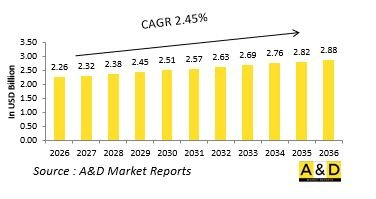
据估计,2026年全球作战直升机市场规模为22.6亿美元,预计到2036年将达到28.8亿美元,2026年至2036年的复合年增长率为2.45%。
全球作战直升机简介
全球作战直升机在现代军事行动中占着独特的地位,它将机动性、精确火力和战场视野完美地融合于单一空中平台之中。 这些飞机专为近地作战而设计,可为地面部队提供直接支援,执行武装侦察任务,并能快速应对不断变化的战场形势。它们在狭窄地形中的机动性、悬停能力以及精确打击目标的能力,使其在常规战争和非对称战争中都至关重要。战斗直升机因其灵活性而备受青睐,使其能够在前沿基地和基础设施极少的恶劣环境中作战。在固定翼飞机效能受限的部队保护、护航和快速反应行动中,它们扮演着至关重要的角色。对能够在各种地形和威胁环境下作战的多功能平台的需求正在重塑全球战斗直升机的模式。它们持续的重要性反映了现代作战理论中对快速反应的空中火力支援和战场控制的持续需求。
科技对全球战斗直升机的影响
技术创新显着提高了战斗直升机的性能和生存能力。现代航空电子设备提供了先进的导航、目标捕获和态势感知能力,以支援在复杂环境中的作战行动。 感测器整合使飞行员能够探测、识别和追踪视距外的威胁。改良的推进系统提高了升力、航程和高空飞行能力。先进材料减轻了重量,同时提高了结构强度和损伤容限。防御系统,包括对抗措施和威胁预警感测器,增强了在现代防空威胁下的生存能力。数位飞行控制系统在复杂的机动飞行中保持稳定性和精确性。这些技术使作战直升机能够在高度对抗的空域中有效作战,同时保持作战弹性和机组人员安全。
全球作战直升机市场的主要驱动因素
对作战直升机的需求源自于对近距离空中支援、快速反应和战场机动性的需求。现代军事行动经常需要在地面部队面临低能见度和重大威胁的情况下进行精确打击。作战直升机在这些情况下提供快速火力支援和侦察。旨在替换和升级老旧平台的机队现代化计划也维持了这一需求。 对具备攻击、护航和侦察能力的多用途飞机的需求进一步推动了其普及。在各种衝突场景中的作战经验不断强化了旋翼作战资产的价值。
全球作战直升机区域趋势
区域趋势反映了地形、气候和作战理论。山区强调高海拔性能和引擎可靠性。沙漠地区优先考虑耐热性和航程。海洋地区需要耐腐蚀且适用于舰载作业的直升机。新兴国防市场则着重于具有可扩展能力的适应性平台。这些区域差异正在塑造全球设计偏好和采购策略。
本报告分析了全球作战直升机市场,深入探讨了影响该市场的技术、未来十年的预测以及区域趋势。
目录
战斗直升机市场报告定义
战斗直升机市场区隔
按类型
按地区
按最终使用者
未来十年战斗直升机市场分析
战斗直升机市场技术
全球战斗直升机市场预测
区域战斗直升机市场趋势及预测
北美
驱动因素、限制因素与挑战
PEST分析
市场预测及情境分析
主要公司
供应商层级概览
公司基准分析
欧洲
中东
亚太地区
南美洲
战斗直升机市场国家分析
美国
国防项目
最新资讯
专利
当前市场技术成熟度
市场预测及情境分析
加拿大
义大利
法国
德国
荷兰
比利时
西班牙
瑞典
希腊
澳洲
南非
印度
中国
俄罗斯
韩国
日本
马来西亚
新加坡
巴西
战斗直升机市场机会矩阵
战斗直升机市场专家意见
结论
关于航空与国防市场报告
The Global Combat Helicopter market is estimated at USD 2.26 billion in 2026, projected to grow to USD 2.88 billion by 2036 at a Compound Annual Growth Rate (CAGR) of 2.45% over the forecast period 2026-2036.

Introduction to Global Combat Helicopter
Global combat helicopters occupy a unique position in modern military operations by combining mobility, precision firepower, and battlefield visibility within a single aerial platform. Designed to operate close to the ground, these aircraft provide direct support to ground forces, conduct armed reconnaissance, and respond rapidly to evolving combat situations. Their ability to maneuver in confined terrain, hover in place, and engage targets with accuracy makes them indispensable in both conventional and irregular warfare. Combat helicopters are valued for their flexibility, as they can operate from forward bases and austere environments with minimal infrastructure. They play a vital role in force protection, escort missions, and rapid reaction tasks where fixed-wing aircraft may be less effective. The global landscape for combat helicopters is shaped by the need for versatile platforms capable of operating across diverse terrains and threat environments. Their continued relevance reflects the enduring requirement for responsive aerial fire support and battlefield coordination in modern military doctrine.
Technology Impact in Global Combat Helicopter
Technological innovation has significantly enhanced the performance and survivability of combat helicopters. Modern avionics provide advanced navigation, targeting, and situational awareness capabilities that support operations in complex environments. Sensor integration enables pilots to detect, identify, and track threats beyond visual range. Improved propulsion systems enhance lift performance, endurance, and high-altitude capability. Advanced materials contribute to reduced weight while improving structural strength and resistance to damage. Defensive systems such as countermeasures and threat warning sensors improve survivability against modern air defense threats. Digital flight control systems support stability and precision during demanding maneuvers. Together, these technologies allow combat helicopters to operate effectively in contested airspace while maintaining mission flexibility and crew safety.
Key Drivers in Global Combat Helicopter
Demand for combat helicopters is driven by the need for close air support, rapid response, and battlefield mobility. Modern military operations often require precision engagement in environments where ground forces face limited visibility and high threat exposure. Combat helicopters provide timely firepower and reconnaissance support in such conditions. Fleet modernization programs sustain demand as older platforms are upgraded or replaced. The need for multi-role aircraft capable of performing attack, escort, and surveillance missions further strengthens adoption. Operational experience in diverse conflict scenarios continues to reinforce the value of rotary-wing combat assets.
Regional Trends in Global Combat Helicopter
Regional trends reflect terrain, climate, and operational doctrine. Mountainous regions emphasize high-altitude performance and engine reliability. Desert regions prioritize thermal resilience and endurance. Maritime regions adapt helicopters for shipborne operations and corrosion resistance. Emerging defense markets focus on adaptable platforms with scalable capabilities. These regional differences shape design preferences and procurement strategies worldwide.
Key Combat Helicopter Program:
On March 28, 2025, the Ministry of Defence concluded two separate contracts with Hindustan Aeronautics Limited for the procurement of 156 Light Combat Helicopters, Prachand, along with training and related support equipment, at a total value of ₹62,700 crore, excluding taxes. Under these agreements, 66 helicopters will be supplied to the Indian Air Force, while 90 units will be delivered to the Indian Army. Deliveries are scheduled to begin in the third year of the contract period and will continue over the subsequent five years. The induction of the LCH Prachand will significantly enhance the Armed Forces' combat capabilities in high-altitude environments. As India's first indigenously designed and developed combat helicopter, the LCH is capable of operating at altitudes exceeding 5,000 meters. The platform incorporates a substantial number of domestically designed and manufactured components, with overall indigenous content expected to surpass 65 percent during contract execution. The program will engage more than 250 Indian companies, largely MSMEs, and is projected to create over 8,500 direct and indirect employment opportunities.
Table of Contents
Combat Helicopter Market Report - Table of Contents
Combat Helicopter Market Report Definition
Combat Helicopter Market Segmentation
By Type
By Region
By End User
Combat Helicopter Market Analysis for next 10 Years
The 10-year combat helicopter market analysis would give a detailed overview of combat helicopter market growth, changing dynamics, technology adoption overviews and the overall market attractiveness is covered in this chapter.
Market Technologies of Combat Helicopter Market
This segment covers the top 10 technologies that is expected to impact this market and the possible implications these technologies would have on the overall market.
Global Combat Helicopter Market Forecast
The 10-year combat helicopter market forecast of this market is covered in detailed across the segments which are mentioned above.
Regional Combat Helicopter Market Trends & Forecast
The regional combat helicopter market trends, drivers, restraints and Challenges of this market, the Political, Economic, Social and Technology aspects are covered in this segment. The market forecast and scenario analysis across regions are also covered in detailed in this segment. The last part of the regional analysis includes profiling of the key companies, supplier landscape and company benchmarking. The current market size is estimated based on the normal scenario.
North America
Drivers, Restraints and Challenges
PEST
Market Forecast & Scenario Analysis
Key Companies
Supplier Tier Landscape
Company Benchmarking
Europe
Middle East
APAC
South America
Country Analysis of Combat Helicopter Market
This chapter deals with the key defense programs in this market, it also covers the latest news and patents which have been filed in this market. Country level 10 year market forecast and scenario analysis are also covered in this chapter.
US
Defense Programs
Latest News
Patents
Current levels of technology maturation in this market
Market Forecast & Scenario Analysis
Canada
Italy
France
Germany
Netherlands
Belgium
Spain
Sweden
Greece
Australia
South Africa
India
China
Russia
South Korea
Japan
Malaysia
Singapore
Brazil
Opportunity Matrix for Combat Helicopter Market
The opportunity matrix helps the readers understand the high opportunity segments in this market.
Expert Opinions on Combat Helicopter Market Report
Hear from our experts their opinion of the possible analysis for this market.
Conclusions
About Aviation and Defense Market Reports
List of Tables
- Table 1: 10 Year Market Outlook, 2026-2036
- Table 2: Drivers, Impact Analysis, North America
- Table 3: Restraints, Impact Analysis, North America
- Table 4: Challenges, Impact Analysis, North America
- Table 5: Drivers, Impact Analysis, Europe
- Table 6: Restraints, Impact Analysis, Europe
- Table 7: Challenges, Impact Analysis, Europe
- Table 8: Drivers, Impact Analysis, Middle East
- Table 9: Restraints, Impact Analysis, Middle East
- Table 10: Challenges, Impact Analysis, Middle East
- Table 11: Drivers, Impact Analysis, APAC
- Table 12: Restraints, Impact Analysis, APAC
- Table 13: Challenges, Impact Analysis, APAC
- Table 14: Drivers, Impact Analysis, South America
- Table 15: Restraints, Impact Analysis, South America
- Table 16: Challenges, Impact Analysis, South America
- Table 17: Scenario Analysis, Scenario 1, By Region, 2026-2036
- Table 18: Scenario Analysis, Scenario 1, By Type, 2026-2036
- Table 19: Scenario Analysis, Scenario 1, By End User, 2026-2036
- Table 20: Scenario Analysis, Scenario 2, By Region, 2026-2036
- Table 21: Scenario Analysis, Scenario 2, By Type, 2026-2036
- Table 22: Scenario Analysis, Scenario 2, By End User, 2026-2036
List of Figures
- Figure 1: Global Combat Helicopter Market Forecast, 2026-2036
- Figure 2: Global Combat Helicopter Market Forecast, By Region, 2026-2036
- Figure 3: Global Combat Helicopter Market Forecast, By Type, 2026-2036
- Figure 4: Global Combat Helicopter Market Forecast, By End User, 2026-2036
- Figure 5: North America, Combat Helicopter Market, Market Forecast, 2026-2036
- Figure 6: Europe, Combat Helicopter Market, Market Forecast, 2026-2036
- Figure 7: Middle East, Combat Helicopter Market, Market Forecast, 2026-2036
- Figure 8: APAC, Combat Helicopter Market, Market Forecast, 2026-2036
- Figure 9: South America, Combat Helicopter Market, Market Forecast, 2026-2036
- Figure 10: United States, Combat Helicopter Market, Technology Maturation, 2026-2036
- Figure 11: United States, Combat Helicopter Market, Market Forecast, 2026-2036
- Figure 12: Canada, Combat Helicopter Market, Technology Maturation, 2026-2036
- Figure 13: Canada, Combat Helicopter Market, Market Forecast, 2026-2036
- Figure 14: Italy, Combat Helicopter Market, Technology Maturation, 2026-2036
- Figure 15: Italy, Combat Helicopter Market, Market Forecast, 2026-2036
- Figure 16: France, Combat Helicopter Market, Technology Maturation, 2026-2036
- Figure 17: France, Combat Helicopter Market, Market Forecast, 2026-2036
- Figure 18: Germany, Combat Helicopter Market, Technology Maturation, 2026-2036
- Figure 19: Germany, Combat Helicopter Market, Market Forecast, 2026-2036
- Figure 20: Netherlands, Combat Helicopter Market, Technology Maturation, 2026-2036
- Figure 21: Netherlands, Combat Helicopter Market, Market Forecast, 2026-2036
- Figure 22: Belgium, Combat Helicopter Market, Technology Maturation, 2026-2036
- Figure 23: Belgium, Combat Helicopter Market, Market Forecast, 2026-2036
- Figure 24: Spain, Combat Helicopter Market, Technology Maturation, 2026-2036
- Figure 25: Spain, Combat Helicopter Market, Market Forecast, 2026-2036
- Figure 26: Sweden, Combat Helicopter Market, Technology Maturation, 2026-2036
- Figure 27: Sweden, Combat Helicopter Market, Market Forecast, 2026-2036
- Figure 28: Brazil, Combat Helicopter Market, Technology Maturation, 2026-2036
- Figure 29: Brazil, Combat Helicopter Market, Market Forecast, 2026-2036
- Figure 30: Australia, Combat Helicopter Market, Technology Maturation, 2026-2036
- Figure 31: Australia, Combat Helicopter Market, Market Forecast, 2026-2036
- Figure 32: India, Combat Helicopter Market, Technology Maturation, 2026-2036
- Figure 33: India, Combat Helicopter Market, Market Forecast, 2026-2036
- Figure 34: China, Combat Helicopter Market, Technology Maturation, 2026-2036
- Figure 35: China, Combat Helicopter Market, Market Forecast, 2026-2036
- Figure 36: Saudi Arabia, Combat Helicopter Market, Technology Maturation, 2026-2036
- Figure 37: Saudi Arabia, Combat Helicopter Market, Market Forecast, 2026-2036
- Figure 38: South Korea, Combat Helicopter Market, Technology Maturation, 2026-2036
- Figure 39: South Korea, Combat Helicopter Market, Market Forecast, 2026-2036
- Figure 40: Japan, Combat Helicopter Market, Technology Maturation, 2026-2036
- Figure 41: Japan, Combat Helicopter Market, Market Forecast, 2026-2036
- Figure 42: Malaysia, Combat Helicopter Market, Technology Maturation, 2026-2036
- Figure 43: Malaysia, Combat Helicopter Market, Market Forecast, 2026-2036
- Figure 44: Singapore, Combat Helicopter Market, Technology Maturation, 2026-2036
- Figure 45: Singapore, Combat Helicopter Market, Market Forecast, 2026-2036
- Figure 46: United Kingdom, Combat Helicopter Market, Technology Maturation, 2026-2036
- Figure 47: United Kingdom, Combat Helicopter Market, Market Forecast, 2026-2036
- Figure 48: Opportunity Analysis, Combat Helicopter Market, By Region (Cumulative Market), 2026-2036
- Figure 49: Opportunity Analysis, Combat Helicopter Market, By Region (CAGR), 2026-2036
- Figure 50: Opportunity Analysis, Combat Helicopter Market, By Type (Cumulative Market), 2026-2036
- Figure 51: Opportunity Analysis, Combat Helicopter Market, By Type (CAGR), 2026-2036
- Figure 52: Opportunity Analysis, Combat Helicopter Market, By End User (Cumulative Market), 2026-2036
- Figure 53: Opportunity Analysis, Combat Helicopter Market, By End User (CAGR), 2026-2036
- Figure 54: Scenario Analysis, Combat Helicopter Market, Cumulative Market, 2026-2036
- Figure 55: Scenario Analysis, Combat Helicopter Market, Global Market, 2026-2036
- Figure 56: Scenario 1, Combat Helicopter Market, Total Market, 2026-2036
- Figure 57: Scenario 1, Combat Helicopter Market, By Region, 2026-2036
- Figure 58: Scenario 1, Combat Helicopter Market, By Type, 2026-2036
- Figure 59: Scenario 1, Combat Helicopter Market, By End User, 2026-2036
- Figure 60: Scenario 2, Combat Helicopter Market, Total Market, 2026-2036
- Figure 61: Scenario 2, Combat Helicopter Market, By Region, 2026-2036
- Figure 62: Scenario 2, Combat Helicopter Market, By Type, 2026-2036
- Figure 63: Scenario 2, Combat Helicopter Market, By End User, 2026-2036
- Figure 64: Company Benchmark, Combat Helicopter Market, 2026-2036

 攻击直升机市场-全球产业规模、份额、趋势、机会、预测:最大起飞重量、类型、平台、区域及竞争格局,2021-2031年
 攻击直升机市场规模、份额和成长分析(按发动机类型、负载容量、应用、最终用途和地区划分)—2026-2033年产业预测
 军用直升机市场规模、占有率、成长及全球产业分析:依类型、应用和地区划分的洞察与预测(2024-2032 年)
 攻击直升机市场按类型、最终用户和应用划分 - 全球预测 2025-2032
 2025年全球军用直升机市场报告
 攻击直升机的全球市场评估,类别,各用途,各终端用户,各地区,机会及预测,2018年~2032年
 战斗直升机模拟市场:2025-2035 年全球市场