


 |
市场调查报告书
商品编码
1951129
全球国防火力控制雷达/照射器市场:2026-2036Global Defense Fire Control Radars / Illuminators Market 2026-2036 |
||||||

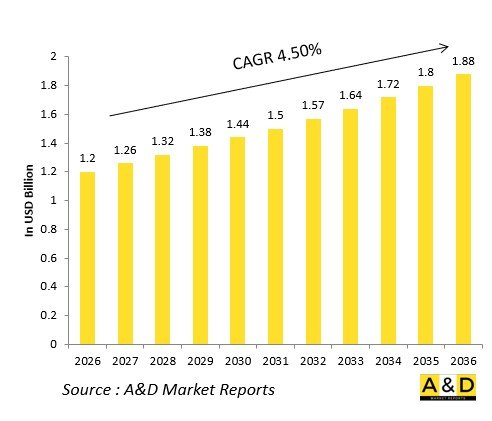
全球国防火力控制雷达/照射器市场预计将从2026年的12亿美元成长到2036年的18.8亿美元,2026年至2036年的年复合成长率(CAGR)为4.50%。
引言:
全球国防火力控制雷达/照射器市场正步入一个以现代化、一体化和数位化为特征的转型十年。这些系统是目标捕获和攻击精确度的基础,在多域作战中发挥日益关键的作用。全球国防机构都在投资雷达解决方案,以在复杂、受压制的环境中提供先进的探测、追踪和精确导引能力。电子扫描阵列、数位波束成形和网路化目标捕捉系统的应用,将火力控制雷达重新定义为智慧作战支援系统。日益激烈的地缘政治竞争和对即时态势感知需求的成长,促使製造商专注于模组化、软体可升级的架构,以确保系统的使用寿命和适应性。随着军事平台向更高杀伤力和互操作性发展,火力控制雷达和照射器系统被定位为一体化防空反导架构中的关键资产,为全球国防市场带来巨大的长期成长机会。
技术对国防火力控制雷达/照射器的影响
技术创新彻底改变国防火力控制雷达/照射器的设计、性能和作战弹性。向主动电子扫描阵列(AESA)和数位讯号处理的转变,使得目标侦测速度更快、追踪精度更高,并且能够抵抗电子对抗。人工智慧和机器学习的日益融合,实现了威胁分类和目标优先排序的自动化,支援在密集电子环境中快速决策。网路中心战理念进一步增强了互通性,使雷达系统能够在陆地、空中和海上资产之间无缝共享目标资料。此外,开放式架构设计的转变确保了可扩展性和易于升级,符合国防现代化计画。新兴材料、轻量化组件和节能型收发模组也在影响设计概念,提高了可靠性并降低了维护成本。这些创新技术将传统的火力控制雷达转变为智慧、适应性强的系统,使其能够在下一代国防场景中有效运作。
国防火力控制雷达/照射器的关键驱动因素
多项战略和技术因素推动全球国防火力控制雷达/照射器市场的需求。日益加剧的地缘政治紧张局势和领土争端迫使各国加强防空和态势感知能力。对精确打击的重视,以及多域作战准备的建立,加速国防部门对先进雷达导引系统的采购。坦克、舰艇和战斗机等老旧平台的现代化改造仍然是主要的成长动力。此外,隐身技术的广泛应用和高超音速威胁的出现,也推动了对探测和追踪距离更远的高频火力控制雷达的需求。国防预算越来越重视基于雷达的火力控制解决方案,以提高杀伤力、生存能力和任务保障。随着国防部向数位化、网路化作战系统转型,对基于雷达的照射和火力控制技术的投资将继续扩大,以支持国家安全和战略威慑。
国防火力控制雷达/照射器区域趋势
国防火力控制雷达/照射器市场的区域趋势受不同安全优先事项、产业能力和现代化计画的影响。北美仍然是技术创新的领导者,推动着主动相控阵雷达(AESA)在陆地、空中和海上平台上的整合发展。欧洲则专注于联合防御规划,强调在共同安全框架内实现互通性和感测器融合。在亚太地区,强劲的国防扩张和持续的领土衝突推动雷达导引武器系统的快速采购。中东和非洲部分地区的新兴市场投资雷达现代化,以应对飞机和飞弹威胁,通常透过与全球製造商建立伙伴关係和达成抵消协议来实现。同时,多个地区加强国防自主化,促进本土雷达生产。区域军事联盟和技术共享协议继续影响采购决策,确保火力控制和照射系统市场竞争激烈且多元化。
本报告深入分析了全球国防火力控制雷达/照射器市场,全面剖析了关键趋势、市场影响因素、关键技术及其影响、主要地区和国家的市场趋势以及市场机会。
目录
国防火力控制雷达/照明器市场:目录
国防火力控制雷达/照明器市场:报告定义
国防火力控制雷达/照明器市场:细分
依地区
依平台
依应用
依频率
未来十年国防火力控制雷达/照明器市场分析
国防火力控制雷达/照明器市场详情,包括市场成长、趋势变化、技术应用概述和市场吸引力。
国防火力控制雷达/照明器市场:技术
预计将影响市场的十大技术及其对整体市场的潜在影响。
全球国防火力控制雷达/照明器市场:预测
以上各细分市场均涵盖了未来十年的市场预测。
国防火力控制雷达/照明器市场趋势与预测:依地区划分
本报告涵盖市场趋势、驱动因素、限制因素、挑战以及政治、经济、社会和技术因素。报告还提供了详细的区域市场预测和情境分析。区域分析最后包括主要公司概况、供应商状况和公司基准分析。目前市场规模是基于 "一切照旧" 情境估算的。
北美
驱动因素、限制因素与挑战
PEST 分析
市场预测与情境分析
主要公司
供应商层级
公司标竿分析
欧洲
中东
亚太地区
南美洲
国防火力控制雷达/照明器市场:国家分析
美国
国防计画
最新资讯
专利
当前市场技术成熟度
市场预测与情境分析
加拿大
义大利
法国
德国
荷兰
比利时
西班牙
瑞典
希腊
澳洲
南非
印度
中国
俄罗斯
韩国
日本
马来西亚
新加坡
巴西
国防火力控制雷达/照明器市场:机会矩阵
专家对国防火力控制雷达/照明器市场报告的意见
概述
关于航空与国防市场报告
The Global defense fire control radars and illuminators market is estimated at USD 1.2 billion in 2026, projected to grow to USD 1.88 billion by 2036 at a Compound Annual Growth Rate (CAGR) of 4.50% over the forecast period 2026-2036.
Introduction:
The global market for defense fire control radars and illuminators is entering a transformative decade marked by modernization, integration, and digitization. These systems, which form the backbone of target acquisition and engagement accuracy, are increasingly pivotal to multi-domain operations. Defense forces worldwide are investing in radar solutions capable of performing under complex, contested environments with enhanced detection, tracking, and precision guidance capabilities. The adoption of electronically scanned arrays, digital beamforming, and networked targeting systems is redefining fire control radars as intelligent combat enablers. Amid heightened geopolitical competition and the demand for real-time situational awareness, manufacturers are focusing on modular, software-upgradable architectures to ensure longevity and adaptability. As military platforms evolve toward higher lethality and interoperability, fire control radar and illuminator systems stand as critical assets within integrated air and missile defense architectures, driving substantial long-term growth opportunities across global defense markets.
Technology Impact in Defense Fire Control Radars / Illuminators
Technological advancements are revolutionizing the design, performance, and operational versatility of defense fire control radars and illuminators. The shift toward active electronically scanned arrays (AESA) and digital signal processing enables faster target detection, improved tracking accuracy, and resilient performance against electronic countermeasures. Artificial intelligence and machine learning are increasingly integrated to automate threat classification and target prioritization, supporting rapid decision-making in dense electronic environments. Network-centric warfare concepts further enhance interoperability, allowing radar systems to share targeting data seamlessly across land, air, and naval assets. Moreover, the transition to open-architecture designs ensures scalability and easier upgrades, aligning with defense modernization programs. Emerging materials, lighter components, and energy-efficient transmit/receive modules are also influencing design philosophies, improving reliability and reducing maintenance costs. Collectively, these innovations are transforming traditional fire control radars into intelligent, adaptive systems capable of operating effectively across next-generation defense scenarios.
Key Drivers in Defense Fire Control Radars / Illuminators
Multiple strategic and technological factors are propelling demand in the global defense fire control radar and illuminator market. Rising geopolitical tensions and territorial disputes are encouraging nations to upgrade their air defense and situational awareness capabilities. The focus on precision targeting, coupled with multi-domain operational readiness, has intensified defense procurement of advanced radar-guidance systems. Modernization of legacy platforms-such as tanks, naval vessels, and fighter aircraft-remains a key growth enabler. Additionally, the proliferation of stealth technologies and hypersonic threats is stimulating interest in high-frequency fire control radars with enhanced detection and tracking ranges. Defense budgets increasingly prioritize radar-based fire control solutions to improve lethality, survivability, and mission assurance. As defense forces shift toward digitized and network-enabled combat systems, investments in radar-based illumination and fire control technology will continue to expand, supporting both national security imperatives and strategic deterrence objectives.
Regional Trends in Defense Fire Control Radars / Illuminators
Regional dynamics in the defense fire control radar and illuminator market are shaped by divergent security priorities, industrial capabilities, and modernization programs. North America remains a leader in technological innovation, driving advancements in AESA radar integration across land, air, and naval platforms. Europe focuses on collaborative defense programs emphasizing interoperability and sensor fusion under joint security frameworks. In the Asia-Pacific region, robust defense expansion and ongoing territorial disputes are fueling rapid procurement of radar-guided weapon systems. Emerging markets in the Middle East and parts of Africa are investing in radar modernization to counter aerial and missile threats, often through partnership or offset agreements with global manufacturers. Meanwhile, increasing defense industrial self-reliance initiatives in several regions are encouraging indigenous radar production. Regional military alliances and technology-sharing agreements continue to influence procurement decisions, ensuring a competitive and diversified market landscape for fire control and illumination systems.
Key Defense Fire Control Radars / Illuminators Programs
Global defense programs involving fire control radars and illuminators demonstrate significant diversity in scale, scope, and technological ambition. Advanced radar initiatives on modern fighter aircraft, naval combatants, and air defense units highlight the strategic value of precision-targeting systems. Several leading defense manufacturers are developing multi-mode radars capable of integrating target tracking, illumination, and guidance within networked architectures. Collaborative programs emphasize modular designs that can be adapted for both domestic and export markets, aligning with evolving mission profiles. In addition, upgrades to existing radar installations are focused on improving electronic counter-countermeasure performance, wider frequency coverage, and data-link integration. Many nations are incorporating these systems into layered air defense structures that also support missile interception missions. The continued evolution of such programs underscores the critical role of adaptable, high-performance radar systems in ensuring operational edge and force protection across modern defense ecosystems.
Table of Contents
Defense Fire Control Radars / Illuminators Market - Table of Contents
Defense Fire Control Radars / Illuminators Market Report Definition
Defense Fire Control Radars / Illuminators Market Segmentation
By Region
By Platform
By Application
By Frequency
Defense Fire Control Radars / Illuminators Market Analysis for next 10 Years
The 10-year Defense Fire Control Radars / Illuminators Market analysis would give a detailed overview of Defense Fire Control Radars / Illuminators Market growth, changing dynamics, technology adoption overviews and the overall market attractiveness is covered in this chapter.
Market Technologies of Defense Fire Control Radars / Illuminators Market
This segment covers the top 10 technologies that is expected to impact this market and the possible implications these technologies would have on the overall market.
Global Defense Fire Control Radars / Illuminators Market Forecast
The 10-year Defense Fire Control Radars / Illuminators Market forecast of this market is covered in detailed across the segments which are mentioned above.
Regional Defense Fire Control Radars / Illuminators Market Trends & Forecast
The regional counter drone market trends, drivers, restraints and Challenges of this market, the Political, Economic, Social and Technology aspects are covered in this segment. The market forecast and scenario analysis across regions are also covered in detailed in this segment. The last part of the regional analysis includes profiling of the key companies, supplier landscape and company benchmarking. The current market size is estimated based on the normal scenario.
North America
Drivers, Restraints and Challenges
PEST
Market Forecast & Scenario Analysis
Key Companies
Supplier Tier Landscape
Company Benchmarking
Europe
Middle East
APAC
South America
Country Analysis of Defense Fire Control Radars / Illuminators Market
This chapter deals with the key defense programs in this market, it also covers the latest news and patents which have been filed in this market. Country level 10 year market forecast and scenario analysis are also covered in this chapter.
US
Defense Programs
Latest News
Patents
Current levels of technology maturation in this market
Market Forecast & Scenario Analysis
Canada
Italy
France
Germany
Netherlands
Belgium
Spain
Sweden
Greece
Australia
South Africa
India
China
Russia
South Korea
Japan
Malaysia
Singapore
Brazil
Opportunity Matrix for Defense Fire Control Radars / Illuminators Market
The opportunity matrix helps the readers understand the high opportunity segments in this market.
Expert Opinions on Defense Fire Control Radars / Illuminators Market Report
Hear from our experts their opinion of the possible analysis for this market.
Conclusions
About Aviation and Defense Market Reports
List of Tables
- Table 1: 10 Year Market Outlook, 2026-2036
- Table 2: Drivers, Impact Analysis, North America
- Table 3: Restraints, Impact Analysis, North America
- Table 4: Challenges, Impact Analysis, North America
- Table 5: Drivers, Impact Analysis, Europe
- Table 6: Restraints, Impact Analysis, Europe
- Table 7: Challenges, Impact Analysis, Europe
- Table 8: Drivers, Impact Analysis, Middle East
- Table 9: Restraints, Impact Analysis, Middle East
- Table 10: Challenges, Impact Analysis, Middle East
- Table 11: Drivers, Impact Analysis, APAC
- Table 12: Restraints, Impact Analysis, APAC
- Table 13: Challenges, Impact Analysis, APAC
- Table 14: Drivers, Impact Analysis, South America
- Table 15: Restraints, Impact Analysis, South America
- Table 16: Challenges, Impact Analysis, South America
- Table 17: Scenario Analysis, Scenario 1, By Application, 2026-2036
- Table 18: Scenario Analysis, Scenario 1, By Platform, 2026-2036
- Table 19: Scenario Analysis, Scenario 1, By Region, 2026-2036
- Table 20: Scenario Analysis, Scenario 2, By Application, 2026-2036
- Table 21: Scenario Analysis, Scenario 2, By Platform, 2026-2036
- Table 22: Scenario Analysis, Scenario 2, By Region, 2026-2036
List of Figures
- Figure 1: Global Defense Fire Control Radars / Illuminators Market Forecast, 2026-2036
- Figure 2: Global Defense Fire Control Radars / Illuminators Market Forecast, By Application, 2026-2036
- Figure 3: Global Defense Fire Control Radars / Illuminators Market Forecast, By Platform, 2026-2036
- Figure 4: Global Defense Fire Control Radars / Illuminators Market Forecast, By Region, 2026-2036
- Figure 5: North America, Defense Fire Control Radars / Illuminators Market, Forecast, 2026-2036
- Figure 6: Europe, Defense Fire Control Radars / Illuminators Market, Forecast, 2026-2036
- Figure 7: Middle East, Defense Fire Control Radars / Illuminators Market, Forecast, 2026-2036
- Figure 8: APAC, Defense Fire Control Radars / Illuminators Market, Forecast, 2026-2036
- Figure 9: South America, Defense Fire Control Radars / Illuminators Market, Forecast, 2026-2036
- Figure 10: United States, Defense Fire Control Radars / Illuminators Market, Technology Maturation, 2026-2036
- Figure 11: United States, Defense Fire Control Radars / Illuminators Market, Forecast, 2026-2036
- Figure 12: Canada, Defense Fire Control Radars / Illuminators Market, Technology Maturation, 2026-2036
- Figure 13: Canada, Defense Fire Control Radars / Illuminators Market, Forecast, 2026-2036
- Figure 14: Italy, Defense Fire Control Radars / Illuminators Market, Technology Maturation, 2026-2036
- Figure 15: Italy, Defense Fire Control Radars / Illuminators Market, Market Forecast, 2026-2036
- Figure 16: France, Defense Fire Control Radars / Illuminators Market, Technology Maturation, 2026-2036
- Figure 17: France, Defense Fire Control Radars / Illuminators Market, Market Forecast, 2026-2036
- Figure 18: Germany, Defense Fire Control Radars / Illuminators Market, Technology Maturation, 2026-2036
- Figure 19: Germany, Defense Fire Control Radars / Illuminators Market, Market Forecast, 2026-2036
- Figure 20: Netherlands, Defense Fire Control Radars / Illuminators Market, Technology Maturation, 2026-2036
- Figure 21: Netherlands, Defense Fire Control Radars / Illuminators Market, Market Forecast, 2026-2036
- Figure 22: Belgium, Defense Fire Control Radars / Illuminators Market, Technology Maturation, 2026-2036
- Figure 23: Belgium, Defense Fire Control Radars / Illuminators Market, Market Forecast, 2026-2036
- Figure 24: Spain, Defense Fire Control Radars / Illuminators Market, Technology Maturation, 2026-2036
- Figure 25: Spain, Defense Fire Control Radars / Illuminators Market, Market Forecast, 2026-2036
- Figure 26: Sweden, Defense Fire Control Radars / Illuminators Market, Technology Maturation, 2026-2036
- Figure 27: Sweden, Defense Fire Control Radars / Illuminators Market, Forecast, 2026-2036
- Figure 28: Brazil, Defense Fire Control Radars / Illuminators Market, Technology Maturation, 2026-2036
- Figure 29: Brazil, Defense Fire Control Radars / Illuminators Market, Market Forecast, 2026-2036
- Figure 30: Australia, Defense Fire Control Radars / Illuminators Market, Technology Maturation, 2026-2036
- Figure 31: Australia, Defense Fire Control Radars / Illuminators Market, Market Forecast, 2026-2036
- Figure 32: India, Defense Fire Control Radars / Illuminators Market, Technology Maturation, 2026-2036
- Figure 33: India, Defense Fire Control Radars / Illuminators Market, Market Forecast, 2026-2036
- Figure 34: China, Defense Fire Control Radars / Illuminators Market, Technology Maturation, 2026-2036
- Figure 35: China, Defense Fire Control Radars / Illuminators Market, Market Forecast, 2026-2036
- Figure 36: Saudi Arabia, Defense Fire Control Radars / Illuminators Market, Technology Maturation, 2026-2036
- Figure 37: Saudi Arabia, Defense Fire Control Radars / Illuminators Market, Market Forecast, 2026-2036
- Figure 38: South Korea, Defense Fire Control Radars / Illuminators Market, Technology Maturation, 2026-2036
- Figure 39: South Korea, Defense Fire Control Radars / Illuminators Market, Market Forecast, 2026-2036
- Figure 40: Japan, Defense Fire Control Radars / Illuminators Market, Technology Maturation, 2026-2036
- Figure 41: Japan, Defense Fire Control Radars / Illuminators Market, Market Forecast, 2026-2036
- Figure 42: Malaysia, Defense Fire Control Radars / Illuminators Market, Technology Maturation, 2026-2036
- Figure 43: Malaysia, Defense Fire Control Radars / Illuminators Market, Market Forecast, 2026-2036
- Figure 44: Singapore, Defense Fire Control Radars / Illuminators Market, Technology Maturation, 2026-2036
- Figure 45: Singapore, Defense Fire Control Radars / Illuminators Market, Market Forecast, 2026-2036
- Figure 46: United Kingdom, Defense Fire Control Radars / Illuminators Market, Technology Maturation, 2026-2036
- Figure 47: United Kingdom, Defense Fire Control Radars / Illuminators Market, Market Forecast, 2026-2036
- Figure 48: Opportunity Analysis, Defense Fire Control Radars / Illuminators Market, By Application (Cumulative Market), 2026-2036
- Figure 49: Opportunity Analysis, Defense Fire Control Radars / Illuminators Market, By Application (CAGR), 2026-2036
- Figure 50: Opportunity Analysis, Defense Fire Control Radars / Illuminators Market, By (Cumulative Market), 2026-2036
- Figure 51: Opportunity Analysis, Defense Fire Control Radars / Illuminators Market, By Platform(CAGR), 2026-2036
- Figure 52: Opportunity Analysis, Defense Fire Control Radars / Illuminators Market, By Region (Cumulative Market), 2026-2036
- Figure 53: Opportunity Analysis, Defense Fire Control Radars / Illuminators Market, By Region (CAGR), 2026-2036
- Figure 54: Scenario Analysis, Defense Fire Control Radars / Illuminators Market, Cumulative Market, 2026-2036
- Figure 55: Scenario Analysis, Defense Fire Control Radars / Illuminators Market, Global Market, 2026-2036
- Figure 56: Scenario 1, Defense Fire Control Radars / Illuminators Market, Total Market, 2026-2036
- Figure 57: Scenario 1, Defense Fire Control Radars / Illuminators Market, By Application, 2026-2036
- Figure 58: Scenario 1, Defense Fire Control Radars / Illuminators Market, By Platform, 2026-2036
- Figure 59: Scenario 1, Defense Fire Control Radars / Illuminators Market, By Region, 2026-2036
- Figure 60: Scenario 2, Defense Fire Control Radars / Illuminators Market, Total Market, 2026-2036
- Figure 61: Scenario 2, Defense Fire Control Radars / Illuminators Market, By Application, 2026-2036
- Figure 62: Scenario 2, Defense Fire Control Radars / Illuminators Market, By Platform, 2026-2036
- Figure 63: Scenario 2, Defense Fire Control Radars / Illuminators Market, By Region, 2026-2036
- Figure 64: Company Benchmark, Defense Fire Control Radars / Illuminators Market, 2026-2036


