


 |
市场调查报告书
商品编码
1951134
全球防务雷达干扰设备(ECM)市场(2026-2036)Global Defense Electronic Counter Measures (ECM) Market 2026-2036 |
||||||

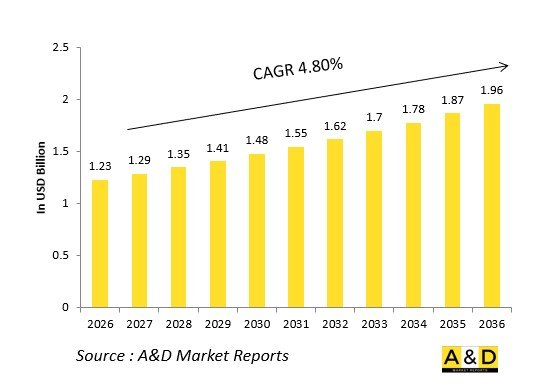
全球防务雷达干扰设备(ECM)市场预计在2026年达到12.3亿美元,预计到2036年将达到19.6亿美元,2026年至2036年的复合年增长率(CAGR)为4.80%。
引言
雷达干扰设备(ECM)是现代战场上至关重要的防御手段,它透过干扰敌方雷达、通讯和导引系统来保护友方资产。 电子对抗措施(ECM)部署于飞机、船舰、军舰和地面部队,利用干扰、欺骗和数位射频记忆体来干扰敌方目标资料。面对来自精确导引武器和集群无人机的日益增长的威胁,世界各国军队正在加速研发电子对抗措施,以确保频谱优势。诸如软体定义架构等创新技术能够对自适应雷达做出敏捷响应,并与电子对抗措施整合,从而建立一个全面的电子战生态系统。地缘政治紧张局势正在推动采购,强调为第五代平台配备轻量化、高功率的系统。国防合作协议促进了联合研发,将民用技术与军事增强技术结合。
科技对防御性对抗措施(ECM)的影响
电子对抗措施技术透过在竞争激烈的电磁频谱上提供强大的自适应干扰来改变防御态势。数位射频记忆体可以扭曲敌方讯号并将其解码,从而引导飞弹。 氮化镓发射器将高功率整合到紧凑的模组中,使其成为高速喷射机和无人机的理想选择。人工智慧控制的波束成形技术能够精确地引导能量,在不被拦截或干扰的情况下压制特定威胁。认知型电子对抗系统能够从交战中学习,并自主调整频率捷变雷达的参数。与定向能武器的整合实现了无声且持续的对抗措施。在海军应用中,拖曳阵列可以创建虚拟护航并干扰潜水艇探测器。无人机群利用网路化的电子对抗系统实现集体干扰,并重塑空中优势战术。这些进步正在将电子对抗从蛮力转向智慧干扰,提高高强度作战中的生存能力,并使在火力下进行进攻性机动成为可能。
防御型电子对抗的关键驱动因素
精确导引武器的扩散和电子攻击战术的演变,使得电子对抗在势均力敌的衝突中变得特别迫切。 现代空军需要吊舱式和拖曳式投放器来对抗一体化防空系统,这推动了平台升级。海军现代化优先发展舰载电子对抗系统,用于拒绝入侵策略并与诱饵发射器整合。预算重点正转向具有韧性的供应链,以降低高功率组件的原材料风险。气候法规推动了环保设计,包括为持续运作提供高效冷却。联盟加速了统一标准的製定,并促进了联合行动的共同开发。网路漏洞需要整合电子和数位保护的增强型电子对抗处理器。产业整合正在整合雷达技术和干扰能力,简化创新流程。随着中等强国寻求透过模组化套件获得非对称优势,出口市场正在扩大。这些因素使电子对抗系统能够与威胁同步发展,从而保护资产并确保作战成功。
防御性雷达干扰器(电子对抗)的区域趋势
北美在电子对抗创新方面处于领先地位,在航空母舰打击群和隐形战斗机上部署了先进的数位干扰器。 欧洲正在推动以护卫舰系统为重点的联合升级,以用于北大西洋巡逻。亚太国家正在客製化用于岛屿防御的机载电子对抗系统,并扩大国内生产。中东国家优先发展用于城市作战和飞弹拦截的陆基干扰器。在印太地区,日益密切的合作正在推动可互通的拖曳阵列的研发,以应对潜艇入侵。南美国家正在采用经济高效的投放器来保障边境安全,而非洲国家则正在将电子对抗系统整合到反叛乱平台中。全球对开放系统架构的日益重视,促进了快速升级和盟国间的兼容性。
本报告分析了全球防御雷达对抗(ECM)市场,深入探讨了影响该市场的技术、未来十年的预测以及区域趋势。
目录
国防雷达干扰设备(ECM)市场报告定义
国防雷达干扰设备(ECM)市场区隔
依地区
依平台
依科技
依威胁类型
未来十年国防雷达干扰设备(ECM)市场分析
国防雷达干扰设备(ECM)市场技术
全球国防对抗措施(ECM)市场预测
区域国防对抗措施(ECM)市场趋势及预测
北美
驱动因素、限制因素及挑战
PEST分析
市场预测与情境分析
主要公司
供应商等级
公司基准分析
欧洲
中东
亚太地区
南美洲
防御性雷达对抗(ECM)市场国家分析
美国
国防项目
最新资讯
专利
当前市场技术成熟度
市场预测与情境分析
加拿大
义大利
法国
德国
荷兰
比利时
西班牙
瑞典
吉里查
澳洲
南非
印度
中国
俄罗斯
韩国
日本
马来西亚
新加坡
巴西
国防雷达干扰设备 (ECM) 市场机会矩阵
专家对国防雷达干扰设备(ECM)市场的看法报告
结论
关于航空与国防市场报告
The Global Defense Electronic Counter Measures (ECM) market is estimated at USD 1.23 billion in 2026, projected to grow to USD 1.96 billion by 2036 at a Compound Annual Growth Rate (CAGR) of 4.80% over the forecast period 2026-2036.
Introduction:
Electronic Counter Measures (ECM) stand as vital shields in modern battlefields, disrupting enemy radars, communications, and guidance systems to protect friendly assets. Deployed on aircraft, ships, warships, and ground units, ECM employs jamming, deception, and digital radio frequency memory to deny adversaries targeting data. Amid surging threats from precision-guided munitions and swarming drones, forces worldwide accelerate ECM enhancements for spectrum supremacy. Innovations like software-defined architectures enable agile responses to adaptive radars, while integration with ESM creates comprehensive electronic warfare ecosystems. Geopolitical flashpoints drive procurement, with emphasis on lightweight, high-power systems for fifth-generation platforms. Collaborative defense pacts foster shared development, blending commercial tech with military hardening. This forward-looking analysis delves into technological leaps, market drivers, regional shifts, and pivotal programs propelling ECM's pivotal role in future conflicts.
Technology Impact in Defense Electronic Counter Measures (ECM)
ECM technology transforms defense postures by delivering potent, adaptive jamming across contested electromagnetic spectra. Digital radio frequency memory recreates enemy signals with distortions, luring missiles off course via spoofing. Gallium nitride transmitters pack immense power into compact modules, ideal for fast jets and unmanned vehicles. AI-orchestrated beamforming directs energy precisely, overwhelming specific threats without collateral interference. Cognitive ECM learns from encounters, autonomously tuning parameters against frequency-agile radars. Integration with directed energy weapons promises silent, inexhaustible countermeasures. Naval applications feature towed arrays that create virtual escorts, baffling submarine hunters. Drone swarms leverage networked ECM for collective denial, reshaping air superiority tactics. These strides shift ECM from brute-force jammers to intelligent disruptors, amplifying survivability in high-intensity operations and enabling offensive maneuvers under fire.
Key Drivers in Defense Electronic Counter Measures (ECM)
Escalating peer conflicts fuel ECM urgency, as precision weapons proliferate and electronic attack tactics evolve. Modern air forces demand podded and towed dispensers to counter integrated air defenses, spurring platform retrofits. Naval modernization prioritizes shipboard ECM against anti-access strategies, integrating with decoy launchers. Budget priorities tilt toward resilient supply chains, mitigating raw material risks for high-power components. Climate regulations push eco-friendly designs, like efficient cooling for sustained operations. Alliances accelerate co-development, harmonizing standards for joint missions. Cyber vulnerabilities necessitate hardened ECM processors, blending electronic and digital protections. Industry mergers streamline innovation, merging radar expertise with jamming prowess. Export markets expand as mid-tier powers seek asymmetric advantages via modular kits. These forces ensure ECM evolves in lockstep with threats, safeguarding assets and enabling mission success.
Regional Trends in Defense Electronic Counter Measures (ECM)
North America dominates ECM innovation, fielding advanced digital jammers for carrier strike groups and stealth fighters. Europe pursues collaborative upgrades, focusing on frigate-mounted systems amid North Atlantic patrols. Asia-Pacific nations ramp indigenous production, tailoring airborne ECM for island-chain defenses. Middle Eastern operators emphasize ground-launched jammers for urban warfare and missile interception. Indo-Pacific partnerships yield interoperable towed arrays, countering submarine incursions. South American forces adopt cost-effective dispensers for border security, while African militaries integrate ECM into counter-insurgency platforms. Global emphasis on open-system architectures facilitates swift upgrades and coalition compatibility. Regional hotspots dictate priorities-from Arctic electronic denial to desert anti-drone barrages-driving customized solutions. Technology transfers balance proliferation risks with strategic alliances, shaping a dynamic ECM landscape.
Key Defense Electronic Counter Measures (ECM) Programs
Prominent ECM programs showcase integrated disruption across domains. Advanced fighter aircraft integrate conformal jammers, spoofing multifunction radars during deep strikes. Destroyer classes feature high-energy directed jammers, protecting task forces from salvo attacks. Electronic warfare aircraft pioneer stand-off pods, blanketing sectors with barrage noise. Rotary-wing platforms deploy fiber-optic towed decoys, evading man-portable threats. Uncrewed combat vehicles test swarm ECM, coordinating denial against ground clutter. International consortia deliver naval self-protection suites, fusing chaff with digital deception. Ground systems evolve into vehicle-mounted arrays for mechanized advances. Highlights include adaptive gallium nitride amplifiers and machine learning directors, proven in live-fire trials. These efforts prioritize modularity for lifecycle extensions, ensuring robust countermeasures in evolving threat environments.
Table of Contents
Defense Electronic Counter Measures (ECM) Market - Table of Contents
Defense Electronic Counter Measures (ECM) Market Report Definition
Defense Electronic Counter Measures (ECM) Market Segmentation
By Region
By Platform
By Technique
By Threat Type
Defense Electronic Counter Measures (ECM) Market Analysis for next 10 Years
The 10-year Defense Electronic Counter Measures (ECM) Market analysis would give a detailed overview of Defense Electronic Counter Measures (ECM) Market growth, changing dynamics, technology adoption overviews and the overall market attractiveness is covered in this chapter.
Market Technologies of Defense Electronic Counter Measures (ECM) Market
This segment covers the top 10 technologies that is expected to impact this market and the possible implications these technologies would have on the overall market.
Global Defense Electronic Counter Measures (ECM) Market Forecast
The 10-year Defense Electronic Counter Measures (ECM) Market forecast of this market is covered in detailed across the segments which are mentioned above.
Regional Defense Electronic Counter Measures (ECM) Market Trends & Forecast
The regional counter drone market trends, drivers, restraints and Challenges of this market, the Political, Economic, Social and Technology aspects are covered in this segment. The market forecast and scenario analysis across regions are also covered in detailed in this segment. The last part of the regional analysis includes profiling of the key companies, supplier landscape and company benchmarking. The current market size is estimated based on the normal scenario.
North America
Drivers, Restraints and Challenges
PEST
Market Forecast & Scenario Analysis
Key Companies
Supplier Tier Landscape
Company Benchmarking
Europe
Middle East
APAC
South America
Country Analysis of Defense Electronic Counter Measures (ECM) Market
This chapter deals with the key defense programs in this market, it also covers the latest news and patents which have been filed in this market. Country level 10 year market forecast and scenario analysis are also covered in this chapter.
US
Defense Programs
Latest News
Patents
Current levels of technology maturation in this market
Market Forecast & Scenario Analysis
Canada
Italy
France
Germany
Netherlands
Belgium
Spain
Sweden
Greece
Australia
South Africa
India
China
Russia
South Korea
Japan
Malaysia
Singapore
Brazil
Opportunity Matrix for Defense Electronic Counter Measures (ECM) Market
The opportunity matrix helps the readers understand the high opportunity segments in this market.
Expert Opinions on Defense Electronic Counter Measures (ECM) Market Report
Hear from our experts their opinion of the possible analysis for this market.
Conclusions
About Aviation and Defense Market Reports
List of Tables
- Table 1: 10 Year Market Outlook, 2026-2036
- Table 2: Drivers, Impact Analysis, North America
- Table 3: Restraints, Impact Analysis, North America
- Table 4: Challenges, Impact Analysis, North America
- Table 5: Drivers, Impact Analysis, Europe
- Table 6: Restraints, Impact Analysis, Europe
- Table 7: Challenges, Impact Analysis, Europe
- Table 8: Drivers, Impact Analysis, Middle East
- Table 9: Restraints, Impact Analysis, Middle East
- Table 10: Challenges, Impact Analysis, Middle East
- Table 11: Drivers, Impact Analysis, APAC
- Table 12: Restraints, Impact Analysis, APAC
- Table 13: Challenges, Impact Analysis, APAC
- Table 14: Drivers, Impact Analysis, South America
- Table 15: Restraints, Impact Analysis, South America
- Table 16: Challenges, Impact Analysis, South America
- Table 17: Scenario Analysis, Scenario 1, By Technique, 2026-2036
- Table 18: Scenario Analysis, Scenario 1, By Platform, 2026-2036
- Table 19: Scenario Analysis, Scenario 1, By Region, 2026-2036
- Table 20: Scenario Analysis, Scenario 2, By Technique, 2026-2036
- Table 21: Scenario Analysis, Scenario 2, By Platform, 2026-2036
- Table 22: Scenario Analysis, Scenario 2, By Region, 2026-2036
List of Figures
- Figure 1: Global Defense Electronic Counter Measures (ECM) Market Forecast, 2026-2036
- Figure 2: Global Defense Electronic Counter Measures (ECM) Market Forecast, By Technique, 2026-2036
- Figure 3: Global Defense Electronic Counter Measures (ECM) Market Forecast, By Platform, 2026-2036
- Figure 4: Global Defense Electronic Counter Measures (ECM) Market Forecast, By Region, 2026-2036
- Figure 5: North America, Defense Electronic Counter Measures (ECM) Market, Forecast, 2026-2036
- Figure 6: Europe, Defense Electronic Counter Measures (ECM) Market, Forecast, 2026-2036
- Figure 7: Middle East, Defense Electronic Counter Measures (ECM) Market, Forecast, 2026-2036
- Figure 8: APAC, Defense Electronic Counter Measures (ECM) Market, Forecast, 2026-2036
- Figure 9: South America, Defense Electronic Counter Measures (ECM) Market, Forecast, 2026-2036
- Figure 10: United States, Defense Electronic Counter Measures (ECM) Market, Technology Maturation, 2026-2036
- Figure 11: United States, Defense Electronic Counter Measures (ECM) Market, Forecast, 2026-2036
- Figure 12: Canada, Defense Electronic Counter Measures (ECM) Market, Technology Maturation, 2026-2036
- Figure 13: Canada, Defense Electronic Counter Measures (ECM) Market, Forecast, 2026-2036
- Figure 14: Italy, Defense Electronic Counter Measures (ECM) Market, Technology Maturation, 2026-2036
- Figure 15: Italy, Defense Electronic Counter Measures (ECM) Market, Market Forecast, 2026-2036
- Figure 16: France, Defense Electronic Counter Measures (ECM) Market, Technology Maturation, 2026-2036
- Figure 17: France, Defense Electronic Counter Measures (ECM) Market, Market Forecast, 2026-2036
- Figure 18: Germany, Defense Electronic Counter Measures (ECM) Market, Technology Maturation, 2026-2036
- Figure 19: Germany, Defense Electronic Counter Measures (ECM) Market, Market Forecast, 2026-2036
- Figure 20: Netherlands, Defense Electronic Counter Measures (ECM) Market, Technology Maturation, 2026-2036
- Figure 21: Netherlands, Defense Electronic Counter Measures (ECM) Market, Market Forecast, 2026-2036
- Figure 22: Belgium, Defense Electronic Counter Measures (ECM) Market, Technology Maturation, 2026-2036
- Figure 23: Belgium, Defense Electronic Counter Measures (ECM) Market, Market Forecast, 2026-2036
- Figure 24: Spain, Defense Electronic Counter Measures (ECM) Market, Technology Maturation, 2026-2036
- Figure 25: Spain, Defense Electronic Counter Measures (ECM) Market, Market Forecast, 2026-2036
- Figure 26: Sweden, Defense Electronic Counter Measures (ECM) Market, Technology Maturation, 2026-2036
- Figure 27: Sweden, Defense Electronic Counter Measures (ECM) Market, Forecast, 2026-2036
- Figure 28: Brazil, Defense Electronic Counter Measures (ECM) Market, Technology Maturation, 2026-2036
- Figure 29: Brazil, Defense Electronic Counter Measures (ECM) Market, Market Forecast, 2026-2036
- Figure 30: Australia, Defense Electronic Counter Measures (ECM) Market, Technology Maturation, 2026-2036
- Figure 31: Australia, Defense Electronic Counter Measures (ECM) Market, Market Forecast, 2026-2036
- Figure 32: India, Defense Electronic Counter Measures (ECM) Market, Technology Maturation, 2026-2036
- Figure 33: India, Defense Electronic Counter Measures (ECM) Market, Market Forecast, 2026-2036
- Figure 34: China, Defense Electronic Counter Measures (ECM) Market, Technology Maturation, 2026-2036
- Figure 35: China, Defense Electronic Counter Measures (ECM) Market, Market Forecast, 2026-2036
- Figure 36: Saudi Arabia, Defense Electronic Counter Measures (ECM) Market, Technology Maturation, 2026-2036
- Figure 37: Saudi Arabia, Defense Electronic Counter Measures (ECM) Market, Market Forecast, 2026-2036
- Figure 38: South Korea, Defense Electronic Counter Measures (ECM) Market, Technology Maturation, 2026-2036
- Figure 39: South Korea, Defense Electronic Counter Measures (ECM) Market, Market Forecast, 2026-2036
- Figure 40: Japan, Defense Electronic Counter Measures (ECM) Market, Technology Maturation, 2026-2036
- Figure 41: Japan, Defense Electronic Counter Measures (ECM) Market, Market Forecast, 2026-2036
- Figure 42: Malaysia, Defense Electronic Counter Measures (ECM) Market, Technology Maturation, 2026-2036
- Figure 43: Malaysia, Defense Electronic Counter Measures (ECM) Market, Market Forecast, 2026-2036
- Figure 44: Singapore, Defense Electronic Counter Measures (ECM) Market, Technology Maturation, 2026-2036
- Figure 45: Singapore, Defense Electronic Counter Measures (ECM) Market, Market Forecast, 2026-2036
- Figure 46: United Kingdom, Defense Electronic Counter Measures (ECM) Market, Technology Maturation, 2026-2036
- Figure 47: United Kingdom, Defense Electronic Counter Measures (ECM) Market, Market Forecast, 2026-2036
- Figure 48: Opportunity Analysis, Defense Electronic Counter Measures (ECM) Market, By Technique (Cumulative Market), 2026-2036
- Figure 49: Opportunity Analysis, Defense Electronic Counter Measures (ECM) Market, By Technique (CAGR), 2026-2036
- Figure 50: Opportunity Analysis, Defense Electronic Counter Measures (ECM) Market, By (Cumulative Market), 2026-2036
- Figure 51: Opportunity Analysis, Defense Electronic Counter Measures (ECM) Market, By Platform(CAGR), 2026-2036
- Figure 52: Opportunity Analysis, Defense Electronic Counter Measures (ECM) Market, By Region (Cumulative Market), 2026-2036
- Figure 53: Opportunity Analysis, Defense Electronic Counter Measures (ECM) Market, By Region (CAGR), 2026-2036
- Figure 54: Scenario Analysis, Defense Electronic Counter Measures (ECM) Market, Cumulative Market, 2026-2036
- Figure 55: Scenario Analysis, Defense Electronic Counter Measures (ECM) Market, Global Market, 2026-2036
- Figure 56: Scenario 1, Defense Electronic Counter Measures (ECM) Market, Total Market, 2026-2036
- Figure 57: Scenario 1, Defense Electronic Counter Measures (ECM) Market, By Technique, 2026-2036
- Figure 58: Scenario 1, Defense Electronic Counter Measures (ECM) Market, By Platform, 2026-2036
- Figure 59: Scenario 1, Defense Electronic Counter Measures (ECM) Market, By Region, 2026-2036
- Figure 60: Scenario 2, Defense Electronic Counter Measures (ECM) Market, Total Market, 2026-2036
- Figure 61: Scenario 2, Defense Electronic Counter Measures (ECM) Market, By Technique, 2026-2036
- Figure 62: Scenario 2, Defense Electronic Counter Measures (ECM) Market, By Platform, 2026-2036
- Figure 63: Scenario 2, Defense Electronic Counter Measures (ECM) Market, By Region, 2026-2036
- Figure 64: Company Benchmark, Defense Electronic Counter Measures (ECM) Market, 2026-2036

 2026年全球低成本电子战无人机市场报告2026年全球低频宽电子战系统市场报告2026年全球电子战系统市场报告2026年基于人工智慧的认知电子战(CEW)全球市场报告
 全球国防电子干扰吊舱/整合电子战市场:2026-2036 年2026年全球电子战市场报告
 无人电子战市场-全球产业规模、份额、趋势、机会、预测:按产品、平台、营运、地区和竞争对手划分,2021-2031年电子战市场-全球产业规模、份额、趋势、机会及预测(依能力、设备、平台、区域及竞争格局划分,2021-2031年)
 2026-2030年全球电子战市场全球无人电子战 (UEW) 市场:按产品类型、能力、平台、操作模式、最终用户和地区划分的分析 - 市场规模、行业趋势、机会分析和预测 (2026-2035)