


 |
市场调查报告书
商品编码
1951145
全球国防卫星通讯罩市场:2026-2036年Global Defense SATCOM Domes Market 2026-2036 |
||||||

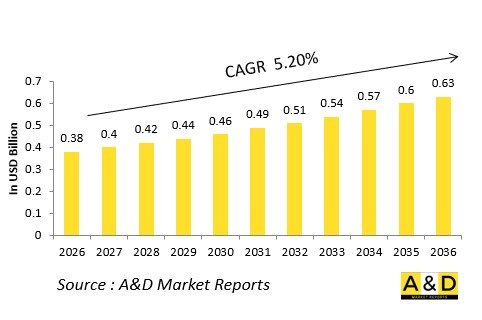
全球国防卫星通讯罩市场预计将从2026年的3.8亿美元成长到2036年的6.3亿美元,2026年至2036年的年复合成长率(CAGR)为 5.20%。
简介:
全球国防卫星通讯罩市场处于安全军事通讯的前沿,为指挥、控制和情报行动提供强大的卫星连结。这些专用外壳可保护天线免受恶劣环境的影响,同时确保即使在作战环境中也能保持不间断的连接。地缘政治紧张局势加剧和多域战争的演变,正推动着对整合相控阵技术和低可观测性设计的先进雷达罩的需求激增。自适应波束成形和抗干扰能力等关键创新对于船舰、地面站和空中平台非常重要。领先企业正大力投资研发耐环境材料,例如具有增强射频透明度和隐身性能的雷达罩,以应对电子战威胁。不断成长的全球国防预算,尤其是优先发展以网路为中心的作战,推动市场发展。新兴应用扩展到高超音速平台和无人系统,在这些领域,紧凑型、高吞吐量的雷达罩仍然具有优势。总体而言,在日益复杂的作战环境中,对无缝和安全卫星通讯的需求不断成长,预计该行业将持续发展。
科技对国防卫星通讯雷达罩的影响
技术创新革新国防卫星通讯雷达罩,提升其在高频宽任务的效能。整合在穹顶内的相控阵天线可实现电子波束控制,无需机械万向节,提高追踪速度并降低被干扰的风险。多频段运转支援在X、Ku和Ka波段同时运作,最佳化拥挤频谱中的频谱效率。材料科学的进步催生了具有优异介电性能的轻量复合材料的开发,最大限度地减少了讯号损耗并提高了增益。穹顶设计整合了抗干扰和低截获机率功能,并采用氮化镓放大器以实现高功率耐久性。人工智慧赋能的自主系统能够预测干扰并动态调整波形。与软体定义无线电的整合实现了无缝升级并延长了使用寿命。这些创新降低尺寸、重量和功耗,这对军舰和无人机等行动平台非常重要。卫星通讯穹顶正从被动屏蔽装置发展成为在受干扰环境中保持资讯优势的主动核心设备。
国防卫星通讯罩市场的主要驱动因素
推动国防卫星通讯罩市场发展的因素是多方面的。日益激烈的强国竞争需要强大且抗干扰的通讯能力,以支援空中、陆地、海洋和太空领域的联合行动。现代化专案用配备高频宽即时资料共享能力的新一代通讯罩取代传统系统。海军舰队的电气化和无人机舰队的扩张需要紧凑、可适应恶劣环境的设计。对频谱效率和网路安全标准的监管压力推动先进雷达通讯罩技术的应用。随着各国为降低地缘政治风险而实现采购来源多元化,供应链韧性也成为一个驱动因素。北约等联盟内部的互通性要求加速标准化通讯罩的部署。耐气候材料能够满足极地和沙漠地区日益成长的作战需求。对反太空能力的投资间接推动了卫星通讯罩的销售,因为敌方会以卫星为目标,带动了对低地球轨道(LEO)终端的广泛需求。这些因素共同作用,使卫星通讯罩成为面向未来的防御架构的重要组成部分。
国防卫星通讯罩的区域趋势
区域趋势揭示了国防卫星通讯罩市场的清晰发展方向。北美在为航母打击群和远征部队积极采购方面处于领先地位,重点是推广隐身和高频能力的通讯罩。欧洲正致力于透过联合计画来提高北约的互通性,并在东线局势紧张的情况下优先发展多轨道能力。亚太地区正经历快速扩张,主要得益于海上衝突以及主要大国国内生产能力的提升。印太地区的盟国投资用于岛屿间通讯场景的行动通讯罩,并整合增强型5G连结。中东市场则优先考虑适用于沙漠环境的通讯罩,以建构持续监视网路。新兴趋势包括推动在南美和非洲进行在地化生产,以服务维和与边境安全。区域合作加速技术转让,将美国的创新与欧洲的製造能力结合。总体而言,低成本卫星星座的日益普及推动了对经济实惠、可扩展的卫星通讯罩的需求,以应对独特的区域威胁。 本报告深入分析了全球国防卫星通讯罩市场,全面剖析了关键趋势、市场影响因素、关键技术及其影响、主要地区和国家的市场趋势以及市场机会。
目录
国防卫星通讯罩市场:目录
国防卫星通讯罩市场:报告定义
国防卫星通讯罩市场:细分
依地区
依平台
依尺寸
依材料
未来十年国防卫星通讯罩市场分析
国防卫星通讯罩市场成长、趋势变化、技术应用概要及市场吸引力详情
国防卫星通讯罩市场:技术
预计将影响市场的十大技术及其对整体市场的潜在影响
全球国防卫星通讯罩市场:预测
以上各细分市场均详细涵盖了未来十年的市场预测。
国防卫星通讯穹顶市场趋势及预测:依地区划分
本报告涵盖市场趋势、驱动因素、限制因素、挑战以及政治、经济、社会和技术因素。报告还提供了详细的区域市场预测和情境分析。区域分析最后对主要公司、供应商格局和公司基准进行了概述。目前市场规模是基于正常情境估算的。
北美
驱动因素、限制因素与挑战
PEST 分析
市场预测与情境分析
主要公司
供应商层级
公司标竿分析
欧洲
中东
亚太地区
南美洲
国防卫星通讯穹顶市场:国家分析
美国
国防计画
最新资讯
专利
当前市场技术成熟度
市场预测与情境分析
加拿大
义大利
法国
德国
荷兰
比利时
西班牙
瑞典
希腊
澳洲
南非
印度
中国
俄罗斯
韩国
日本
马来西亚
新加坡
巴西
国防卫星通讯穹顶市场:机会矩阵
专家对国防卫星通讯穹顶市场报告的见解
概述讨论
关于航空和国防市场报告
The Global Defense SATCOM domes market is estimated at USD 0.38 billion in 2026, projected to grow to USD 0.63 billion by 2036 at a Compound Annual Growth Rate (CAGR) of 5.20% over the forecast period 2026-2036.
Introduction:
The Global defense SATCOM domes market stands at the forefront of secure military communications, enabling resilient satellite links for command, control, and intelligence operations. These specialized enclosures protect antennas from harsh environments while ensuring uninterrupted connectivity in contested battlespaces. As geopolitical tensions escalate and multi-domain warfare evolves, demand surges for advanced domes integrating phased-array technologies and low-observable designs. Key innovations include adaptive beamforming and anti-jam capabilities, vital for naval vessels, ground stations, and airborne platforms. Major players invest heavily in ruggedized materials like radomes with enhanced RF transparency and stealth features to counter electronic warfare threats. The market benefits from rising defense budgets worldwide, prioritizing network-centric operations. Emerging applications extend to hypersonic platforms and unmanned systems, where compact, high-throughput domes maintain superiority. Overall, this sector promises sustained growth, driven by the need for seamless, secure SATCOM in increasingly complex operational theaters.
Technology Impact in Defense SATCOM Domes
Technological advancements profoundly shape defense SATCOM domes, elevating performance in bandwidth-intensive missions. Phased-array antennas embedded within domes enable electronic beam steering, eliminating mechanical gimbals for faster tracking and reduced vulnerability. Multi-band operations support simultaneous X, Ku, and Ka frequencies, optimizing spectrum use amid spectrum congestion. Materials science breakthroughs yield lightweight composites with superior dielectric properties, minimizing signal loss and boosting gain. Anti-jam and low-probability-of-intercept features integrate into dome designs, incorporating gallium nitride amplifiers for high-power resilience. Artificial intelligence enhances dome autonomy, predicting interference and dynamically adjusting waveforms. Integration with software-defined radios allows seamless upgrades, extending lifecycle utility. These innovations reduce size, weight, and power demands, critical for mobile platforms like warships and UAVs. Consequently, SATCOM domes evolve from passive shields to active enablers of tactical superiority, transforming how forces maintain information dominance in denied environments.
Key Drivers in Defense SATCOM Domes
Several forces propel the defense SATCOM domes market forward. Heightened great-power competition demands robust, jam-resistant communications to sustain joint operations across air, land, sea, and space domains. Modernization programs replace legacy systems with next-generation domes featuring wideband capabilities for real-time data sharing. Electrification of naval fleets and expansion of drone swarms necessitate compact, conformal designs enduring extreme conditions. Regulatory pushes for spectrum efficiency and cybersecurity standards spur adoption of advanced radome technologies. Supply chain resilience emerges as a driver, with nations diversifying sourcing to mitigate geopolitical risks. Interoperability requirements under allied frameworks like NATO accelerate standardized dome deployments. Climate-resilient materials address rising operational demands in polar and desert theaters. Investment in counter-space capabilities indirectly boosts dome sales, as adversaries target satellites, heightening needs for proliferated low-Earth orbit terminals. Collectively, these drivers position SATCOM domes as indispensable for future-proofed defense architectures.
Regional Trends in Defense SATCOM Domes
Regional dynamics reveal distinct trends in the defense SATCOM domes landscape. North America leads with aggressive procurement for carrier strike groups and expeditionary forces, emphasizing stealthy, high-frequency domes. Europe focuses on collaborative programs enhancing NATO interoperability, prioritizing multi-orbit compatibility amid Eastern flank tensions. Asia-Pacific sees rapid expansion, fueled by maritime disputes and indigenous production ramps in key powers. Indo-Pacific allies invest in mobile domes for island-hopping scenarios, integrating 5G-augmented links. Middle East markets prioritize desert-hardened variants for persistent surveillance networks. Emerging trends include localization efforts in South America and Africa, driven by peacekeeping mandates and border security. Cross-regional partnerships accelerate technology transfers, blending U.S. innovation with European manufacturing prowess. Overall, proliferation of low-cost proliferated constellations spurs demand for affordable, scalable domes tailored to regional threats.
Key Defense SATCOM Domes Programs
Prominent defense SATCOM domes programs underscore strategic priorities worldwide. Naval initiatives feature enterprise-wide upgrades for destroyer and submarine fleets, deploying flat-panel domes with automated tracking for blue-water dominance. Airborne programs equip strategic bombers and tankers with low-drag enclosures supporting beyond-line-of-sight relays. Ground-based efforts include tactical vehicle kits with rapid-deploy radomes for special operations. Collaborative allied ventures develop common apertures interoperable across constellations, reducing logistical burdens. Hypersonic testbeds integrate experimental domes resilient to aero-thermal stresses. Unmanned systems programs embed miniaturized variants in loyal wingman drones and undersea vehicles. Key milestones involve live-fire survivability demos and multi-domain exercises validating performance. These programs not only field cutting-edge hardware but also pioneer sustainment models like modular upgrades, ensuring long-term relevance amid evolving threats.
Table of Contents
Defense SATCOM Domes Market - Table of Contents
Defense SATCOM Domes Market Report Definition
Defense SATCOM Domes Market Segmentation
By Region
By Platform
By Size
By Material
Defense SATCOM Domes Market Analysis for next 10 Years
The 10-year Defense SATCOM Domes Market analysis would give a detailed overview of Defense SATCOM Domes Market growth, changing dynamics, technology adoption overviews and the overall market attractiveness is covered in this chapter.
Market Technologies of Defense SATCOM Domes Market
This segment covers the top 10 technologies that is expected to impact this market and the possible implications these technologies would have on the overall market.
Global Defense SATCOM Domes Market Forecast
The 10-year Defense SATCOM Domes Market forecast of this market is covered in detailed across the segments which are mentioned above.
Regional Defense SATCOM Domes Market Trends & Forecast
The regional counter drone market trends, drivers, restraints and Challenges of this market, the Political, Economic, Social and Technology aspects are covered in this segment. The market forecast and scenario analysis across regions are also covered in detailed in this segment. The last part of the regional analysis includes profiling of the key companies, supplier landscape and company benchmarking. The current market size is estimated based on the normal scenario.
North America
Drivers, Restraints and Challenges
PEST
Market Forecast & Scenario Analysis
Key Companies
Supplier Tier Landscape
Company Benchmarking
Europe
Middle East
APAC
South America
Country Analysis of Defense SATCOM Domes Market
This chapter deals with the key defense programs in this market, it also covers the latest news and patents which have been filed in this market. Country level 10 year market forecast and scenario analysis are also covered in this chapter.
US
Defense Programs
Latest News
Patents
Current levels of technology maturation in this market
Market Forecast & Scenario Analysis
Canada
Italy
France
Germany
Netherlands
Belgium
Spain
Sweden
Greece
Australia
South Africa
India
China
Russia
South Korea
Japan
Malaysia
Singapore
Brazil
Opportunity Matrix for Defense SATCOM Domes Market
The opportunity matrix helps the readers understand the high opportunity segments in this market.
Expert Opinions on Defense SATCOM Domes Market Report
Hear from our experts their opinion of the possible analysis for this market.
Conclusions
About Aviation and Defense Market Reports
List of Tables
- Table 1: 10 Year Market Outlook, 2026-2036
- Table 2: Drivers, Impact Analysis, North America
- Table 3: Restraints, Impact Analysis, North America
- Table 4: Challenges, Impact Analysis, North America
- Table 5: Drivers, Impact Analysis, Europe
- Table 6: Restraints, Impact Analysis, Europe
- Table 7: Challenges, Impact Analysis, Europe
- Table 8: Drivers, Impact Analysis, Middle East
- Table 9: Restraints, Impact Analysis, Middle East
- Table 10: Challenges, Impact Analysis, Middle East
- Table 11: Drivers, Impact Analysis, APAC
- Table 12: Restraints, Impact Analysis, APAC
- Table 13: Challenges, Impact Analysis, APAC
- Table 14: Drivers, Impact Analysis, South America
- Table 15: Restraints, Impact Analysis, South America
- Table 16: Challenges, Impact Analysis, South America
- Table 17: Scenario Analysis, Scenario 1, By Size, 2026-2036
- Table 18: Scenario Analysis, Scenario 1, By Platform, 2026-2036
- Table 19: Scenario Analysis, Scenario 1, By Region, 2026-2036
- Table 20: Scenario Analysis, Scenario 2, By Size, 2026-2036
- Table 21: Scenario Analysis, Scenario 2, By Platform, 2026-2036
- Table 22: Scenario Analysis, Scenario 2, By Region, 2026-2036
List of Figures
- Figure 1: Global Defense Satcom Domes Market Forecast, 2026-2036
- Figure 2: Global Defense Satcom Domes Market Forecast, By Size, 2026-2036
- Figure 3: Global Defense Satcom Domes Market Forecast, By Platform, 2026-2036
- Figure 4: Global Defense Satcom Domes Market Forecast, By Region, 2026-2036
- Figure 5: North America, Defense Satcom Domes Market, Forecast, 2026-2036
- Figure 6: Europe, Defense Satcom Domes Market, Forecast, 2026-2036
- Figure 7: Middle East, Defense Satcom Domes Market, Forecast, 2026-2036
- Figure 8: APAC, Defense Satcom Domes Market, Forecast, 2026-2036
- Figure 9: South America, Defense Satcom Domes Market, Forecast, 2026-2036
- Figure 10: United States, Defense Satcom Domes Market, Technology Maturation, 2026-2036
- Figure 11: United States, Defense Satcom Domes Market, Forecast, 2026-2036
- Figure 12: Canada, Defense Satcom Domes Market, Technology Maturation, 2026-2036
- Figure 13: Canada, Defense Satcom Domes Market, Forecast, 2026-2036
- Figure 14: Italy, Defense Satcom Domes Market, Technology Maturation, 2026-2036
- Figure 15: Italy, Defense Satcom Domes Market, Market Forecast, 2026-2036
- Figure 16: France, Defense Satcom Domes Market, Technology Maturation, 2026-2036
- Figure 17: France, Defense Satcom Domes Market, Market Forecast, 2026-2036
- Figure 18: Germany, Defense Satcom Domes Market, Technology Maturation, 2026-2036
- Figure 19: Germany, Defense Satcom Domes Market, Market Forecast, 2026-2036
- Figure 20: Netherlands, Defense Satcom Domes Market, Technology Maturation, 2026-2036
- Figure 21: Netherlands, Defense Satcom Domes Market, Market Forecast, 2026-2036
- Figure 22: Belgium, Defense Satcom Domes Market, Technology Maturation, 2026-2036
- Figure 23: Belgium, Defense Satcom Domes Market, Market Forecast, 2026-2036
- Figure 24: Spain, Defense Satcom Domes Market, Technology Maturation, 2026-2036
- Figure 25: Spain, Defense Satcom Domes Market, Market Forecast, 2026-2036
- Figure 26: Sweden, Defense Satcom Domes Market, Technology Maturation, 2026-2036
- Figure 27: Sweden, Defense Satcom Domes Market, Forecast, 2026-2036
- Figure 28: Brazil, Defense Satcom Domes Market, Technology Maturation, 2026-2036
- Figure 29: Brazil, Defense Satcom Domes Market, Market Forecast, 2026-2036
- Figure 30: Australia, Defense Satcom Domes Market, Technology Maturation, 2026-2036
- Figure 31: Australia, Defense Satcom Domes Market, Market Forecast, 2026-2036
- Figure 32: India, Defense Satcom Domes Market, Technology Maturation, 2026-2036
- Figure 33: India, Defense Satcom Domes Market, Market Forecast, 2026-2036
- Figure 34: China, Defense Satcom Domes Market, Technology Maturation, 2026-2036
- Figure 35: China, Defense Satcom Domes Market, Market Forecast, 2026-2036
- Figure 36: Saudi Arabia, Defense Satcom Domes Market, Technology Maturation, 2026-2036
- Figure 37: Saudi Arabia, Defense Satcom Domes Market, Market Forecast, 2026-2036
- Figure 38: South Korea, Defense Satcom Domes Market, Technology Maturation, 2026-2036
- Figure 39: South Korea, Defense Satcom Domes Market, Market Forecast, 2026-2036
- Figure 40: Japan, Defense Satcom Domes Market, Technology Maturation, 2026-2036
- Figure 41: Japan, Defense Satcom Domes Market, Market Forecast, 2026-2036
- Figure 42: Malaysia, Defense Satcom Domes Market, Technology Maturation, 2026-2036
- Figure 43: Malaysia, Defense Satcom Domes Market, Market Forecast, 2026-2036
- Figure 44: Singapore, Defense Satcom Domes Market, Technology Maturation, 2026-2036
- Figure 45: Singapore, Defense Satcom Domes Market, Market Forecast, 2026-2036
- Figure 46: United Kingdom, Defense Satcom Domes Market, Technology Maturation, 2026-2036
- Figure 47: United Kingdom, Defense Satcom Domes Market, Market Forecast, 2026-2036
- Figure 48: Opportunity Analysis, Defense Satcom Domes Market, By Size(Cumulative Market), 2026-2036
- Figure 49: Opportunity Analysis, Defense Satcom Domes Market, By Size(CAGR), 2026-2036
- Figure 50: Opportunity Analysis, Defense Satcom Domes Market, By (Cumulative Market), 2026-2036
- Figure 51: Opportunity Analysis, Defense Satcom Domes Market, By Platform(CAGR), 2026-2036
- Figure 52: Opportunity Analysis, Defense Satcom Domes Market, By Region (Cumulative Market), 2026-2036
- Figure 53: Opportunity Analysis, Defense Satcom Domes Market, By Region (CAGR), 2026-2036
- Figure 54: Scenario Analysis, Defense Satcom Domes Market, Cumulative Market, 2026-2036
- Figure 55: Scenario Analysis, Defense Satcom Domes Market, Global Market, 2026-2036
- Figure 56: Scenario 1, Defense Satcom Domes Market, Total Market, 2026-2036
- Figure 57: Scenario 1, Defense Satcom Domes Market, By Size, 2026-2036
- Figure 58: Scenario 1, Defense Satcom Domes Market, By Platform, 2026-2036
- Figure 59: Scenario 1, Defense Satcom Domes Market, By Region, 2026-2036
- Figure 60: Scenario 2, Defense Satcom Domes Market, Total Market, 2026-2036
- Figure 61: Scenario 2, Defense Satcom Domes Market, By Size, 2026-2036
- Figure 62: Scenario 2, Defense Satcom Domes Market, By Platform, 2026-2036
- Figure 63: Scenario 2, Defense Satcom Domes Market, By Region, 2026-2036
- Figure 64: Company Benchmark, Defense Satcom Domes Market, 2026-2036


