


 |
市场调查报告书
商品编码
1966920
全球国防灭火系统(Halon)市场(2026-2036)Global Defense Fire Suppression Systems (Halon) Market 2026-2036 |
||||||

全球国防灭火系统(Halon)市场
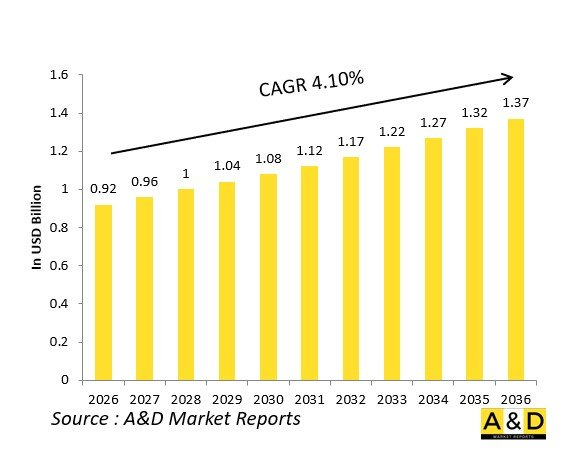
据估计,全球国防灭火系统(Halon)市场在2026年的价值为9.2亿美元,预计到2036年将达到13.7亿美元,2026年至2036年的复合年增长率为4.10%。
引言:全球国防灭火系统(Halon)市场
全球国防灭火系统市场主要以哈龙灭火剂为主。仍然是军事安全和生存基础设施的关键组成部分。由于其快速灭火能力、在密闭空间内的有效性以及对敏感设备的残留影响极小,哈龙灭火系统被广泛应用于各种国防平台。这些系统部署在装甲车辆、飞机、海军舰艇、指挥中心、弹药库以及其他需要快速灭火的场所。国防机构继续依赖卤素灭火解决方案来保护人员、关键电子设备和高价值资产。儘管存在环境方面的担忧,但由于其久经考验的可靠性以及在某些国防应用中缺乏直接可比的替代方案,卤素灭火系统仍在继续运作。持续的维护、翻新和受控使用计画支撑着持续的需求。市场受到安全法规、平台现代化工作以及在作战和行动环境中对快速灭火的持续需求的影响。
科技对国防灭火系统(Halon)的影响
技术进步提高了国防应用中哈龙灭火系统的可靠性和效率。 改良的侦测感测器能够快速辨识火灾和过热情况,从而立即启动系统。改良的释放机制确保灭火剂的精确释放,在最大限度地减少灭火剂消耗的同时,优化灭火效果。与自动化控制系统的整合实现了跨多个舱室和平台的协调响应。系统诊断和监控技术的进步有助于提高维护效率和作战准备。现代化的容器设计提高了储存安全性,并增强了其抗振动、抗衝击和抗恶劣环境条件的能力。此外,混合系统架构将哈龙与其他灭火剂或惰性气体结合,在保持性能的同时,降低了对环境的影响。数位仿真工具有助于根据平台特定要求进行系统最佳化。这些技术改进延长了哈龙的使用寿命,同时满足不断发展的国防安全和性能标准。
国防灭火系统(Halon)的关键驱动因素
多种因素持续推动国防领域对基于哈龙的灭火系统的需求。在密闭空间和高风险环境中快速有效地进行灭火仍然是首要任务。军事平台日益依赖先进的电子设备和弹药,而这些设备和弹药对高温和火灾损害高度敏感,这进一步提升了洁净气体灭火解决方案的价值。现有配备海龙灭火系统的车队需要持续维护、更换零件和经认证的补充计画。针对关键国防应用的监管豁免允许在没有合适替代方案的领域继续使用海龙灭火系统。飞机、舰艇和装甲车辆的现代化和延寿计画进一步支撑了市场需求。对机组人员安全、作战连续性和资产保护的高度重视推动了持续的投资。此外,在恶劣环境下进行的全球国防行动凸显了成熟、快速灭火技术的重要性。
国防灭火系统(海龙)的区域趋势
国防海龙灭火系统市场的区域趋势反映了机队组成、监管框架和作战需求的差异。在北美,大量需要海龙灭火系统的旧式飞机和装甲平台维持强劲的需求。欧洲国防部致力于维护现有系统,并在条件允许的情况下逐步采用符合环保标准的替代系统。在亚太地区,不断扩大的国防能力和舰队现代化计画正在推动维护和新建系统的需求。
本报告对全球国防灭火系统(Halon)市场进行了考察和分析,提供了影响该市场的技术资讯、未来十年的预测以及区域趋势。
目录
全球国防灭火系统(Halon)市场报告定义
全球国防灭火系统(Halon)市场区隔
依地区
依平台
依系统类型
依灭火剂
未来十年全球国防灭火系统(Halon)市场分析
全球国防灭火系统(Halon)市场技术
全球国防灭火系统(Halon)市场预测
全球国防灭火系统(Halon)市场依地区划分的趋势与预测
北美
驱动因素,限制因素与挑战
PEST分析
市场预测与情境分析
主要公司
供应商层级概览
公司标竿分析
欧洲
中东
亚太地区
南美洲
全球国防灭火系统(Halon)市场国家分析
美国
国防项目
最新资讯
专利
当前市场技术成熟度
市场预测与情境分析
加拿大
义大利
法国
德国
荷兰
比利时
西班牙
瑞典
吉里查
澳洲
南非
印度
中国
俄罗斯
韩国
日本
马来西亚
新加坡
巴西
全球国防灭火系统(Halon)市场机会矩阵
全球国防灭火系统(Halon)市场报告专家意见
结论
关于航空与国防市场报告
Global Defense Fire Suppression Systems (Halon) Market
The Global Defense Fire Suppression Systems (Halon) Market is estimated at USD 0.92 billion in 2026, projected to grow to USD 1.37 billion by 2036 at a Compound Annual Growth Rate (CAGR) of 4.10 % over the forecast period 2026-2036.
Introduction: Global Defense Fire Suppression Systems (Halon) Market
The Global Defense Fire Suppression Systems Market based on halon agents remains a critical segment within military safety and survivability infrastructure. Halon fire suppression systems are widely used across defense platforms due to their rapid flame knockdown capability, effectiveness in confined spaces, and minimal residue impact on sensitive equipment. These systems are deployed in armored vehicles, aircraft, naval vessels, command centers, and ammunition storage areas where rapid fire control is essential. Defense forces continue to rely on halon-based solutions to protect personnel, mission-critical electronics, and high-value assets. Despite environmental concerns, halon systems remain in service due to their proven reliability and lack of equally effective direct replacements for certain defense applications. Ongoing maintenance, refurbishment, and controlled use programs support sustained demand. The market is shaped by safety regulations, platform modernization initiatives, and the enduring need for fast-acting fire suppression in combat and operational environments.
Technology Impact in Defense Fire Suppression Systems (Halon)
Technological advancements have improved the reliability and efficiency of halon-based fire suppression systems used in defense applications. Enhancements in detection sensors allow faster identification of fire or overheating conditions, enabling immediate system activation. Improved discharge mechanisms ensure precise agent release, optimizing fire suppression while minimizing agent consumption. Integration with automated control systems allows coordinated response across multiple compartments or platforms. Advances in system diagnostics and monitoring enhance maintenance efficiency and operational readiness. Modern container designs improve storage safety and resistance to vibration, shock, and extreme environmental conditions. Additionally, hybrid system architectures combine halon with alternative agents or inert gases to reduce environmental impact while maintaining performance. Digital simulation tools support system optimization for platform-specific requirements. These technological improvements help extend the operational life of halon systems while aligning them with evolving defense safety and performance standards.
Key Drivers in Defense Fire Suppression Systems (Halon)
Several key factors continue to drive demand for halon-based fire suppression systems in the defense sector. The need for rapid and effective fire control in confined and high-risk environments remains paramount. Military platforms increasingly rely on advanced electronics and munitions that are highly sensitive to heat and fire damage, reinforcing the value of clean-agent suppression solutions. Existing fleets equipped with halon systems require ongoing servicing, replacement parts, and certified refilling programs. Regulatory exemptions for critical defense applications allow continued use where no suitable alternatives exist. Modernization and life-extension programs for aircraft, naval vessels, and armored vehicles further sustain market demand. Emphasis on crew safety, mission continuity, and asset protection supports continued investment. Additionally, global defense operations in extreme environments heighten the importance of proven, fast-response fire suppression technologies.
Regional Trends in Defense Fire Suppression Systems (Halon)
Regional trends in the defense halon fire suppression systems market reflect differences in fleet composition, regulatory frameworks, and operational requirements. North America maintains strong demand due to large inventories of legacy aircraft and armored platforms requiring halon system support. European defense forces focus on maintaining existing systems while gradually integrating environmentally compliant alternatives where feasible. In the Asia-Pacific region, expanding defense capabilities and fleet modernization programs drive demand for both maintenance and new installations. Middle Eastern defense forces prioritize fire suppression reliability due to extreme operating conditions and high-value assets. Emerging defense markets rely on imported systems and service agreements to support operational readiness. Regional access to halon banking programs and certified recycling facilities influences supply continuity. Overall, regional trends highlight the ongoing reliance on halon systems for critical defense fire protection needs.
Key Defense Fire Suppression Systems (Halon) Program
Key defense fire suppression system programs centered on halon focus on sustaining operational safety across diverse military platforms. These programs emphasize inspection, certification, refurbishment, and controlled replenishment of halon systems already in service. Defense ministries collaborate with certified suppliers to ensure compliance with safety standards and environmental regulations. Platform upgrade initiatives often include fire detection and suppression system enhancements to improve response speed and reliability. Programs also support halon recycling and banking to ensure long-term availability for essential defense applications. Research initiatives explore hybrid and transitional solutions that maintain halon-level performance while reducing environmental impact. Domestic maintenance and servicing programs strengthen supply chain security and readiness. Collectively, these programs underscore the continued strategic importance of halon-based fire suppression systems in safeguarding personnel, equipment, and mission-critical defense assets.
Table of Contents
Global Defense Fire Suppression Systems (Halon) Market - Table of Contents
Global Defense Fire Suppression Systems (Halon) Market Report Definition
Global Defense Fire Suppression Systems (Halon) Market Segmentation
By Region
By Platform
By System Type
By Extinguishing Agent
Global Defense Fire Suppression Systems (Halon) Market Analysis for next 10 Years
The 10-year Global Defense Fire Suppression Systems (Halon) Market analysis would give a detailed overview of Global Defense Fire Suppression Systems (Halon) Market growth, changing dynamics, technology adoption overviews and the overall market attractiveness is covered in this chapter.
Market Technologies of Global Defense Fire Suppression Systems (Halon) Market
This segment covers the top 10 technologies that is expected to impact this market and the possible implications these technologies would have on the overall market.
Global Defense Fire Suppression Systems (Halon) Market Forecast
The 10-year Global Defense Fire Suppression Systems (Halon) Market forecast of this market is covered in detailed across the segments which are mentioned above.
Regional Global Defense Fire Suppression Systems (Halon) Market Trends & Forecast
The regional counter drone market trends, drivers, restraints and Challenges of this market, the Political, Economic, Social and Technology aspects are covered in this segment. The market forecast and scenario analysis across regions are also covered in detailed in this segment. The last part of the regional analysis includes profiling of the key companies, supplier landscape and company benchmarking. The current market size is estimated based on the normal scenario.
North America
Drivers, Restraints and Challenges
PEST
Market Forecast & Scenario Analysis
Key Companies
Supplier Tier Landscape
Company Benchmarking
Europe
Middle East
APAC
South America
Country Analysis of Global Defense Fire Suppression Systems (Halon) Market
This chapter deals with the key defense programs in this market, it also covers the latest news and patents which have been filed in this market. Country level 10 year market forecast and scenario analysis are also covered in this chapter.
US
Defense Programs
Latest News
Patents
Current levels of technology maturation in this market
Market Forecast & Scenario Analysis
Canada
Italy
France
Germany
Netherlands
Belgium
Spain
Sweden
Greece
Australia
South Africa
India
China
Russia
South Korea
Japan
Malaysia
Singapore
Brazil
Opportunity Matrix for Global Defense Fire Suppression Systems (Halon) Market
The opportunity matrix helps the readers understand the high opportunity segments in this market.
Expert Opinions on Global Defense Fire Suppression Systems (Halon) Market Report
Hear from our experts their opinion of the possible analysis for this market.
Conclusions
About Aviation and Defense Market Reports
List of Tables
- Table 1: 10 Year Market Outlook, 2026-2036
- Table 2: Drivers, Impact Analysis, North America
- Table 3: Restraints, Impact Analysis, North America
- Table 4: Challenges, Impact Analysis, North America
- Table 5: Drivers, Impact Analysis, Europe
- Table 6: Restraints, Impact Analysis, Europe
- Table 7: Challenges, Impact Analysis, Europe
- Table 8: Drivers, Impact Analysis, Middle East
- Table 9: Restraints, Impact Analysis, Middle East
- Table 10: Challenges, Impact Analysis, Middle East
- Table 11: Drivers, Impact Analysis, APAC
- Table 12: Restraints, Impact Analysis, APAC
- Table 13: Challenges, Impact Analysis, APAC
- Table 14: Drivers, Impact Analysis, South America
- Table 15: Restraints, Impact Analysis, South America
- Table 16: Challenges, Impact Analysis, South America
- Table 17: Scenario Analysis, Scenario 1, By System Type, 2026-2036
- Table 18: Scenario Analysis, Scenario 1, By Platform, 2026-2036
- Table 19: Scenario Analysis, Scenario 1, By Region, 2026-2036
- Table 20: Scenario Analysis, Scenario 2, By System Type, 2026-2036
- Table 21: Scenario Analysis, Scenario 2, By Platform, 2026-2036
- Table 22: Scenario Analysis, Scenario 2, By Region, 2026-2036
List of Figures
- Figure 1: Global Defense Fire Suppression Systems (Halon) Market Forecast, 2026-2036
- Figure 2: Global Defense Fire Suppression Systems (Halon) Market Forecast, By System Type, 2026-2036
- Figure 3: Global Defense Fire Suppression Systems (Halon) Market Forecast, By Platform, 2026-2036
- Figure 4: Global Defense Fire Suppression Systems (Halon) Market Forecast, By Region, 2026-2036
- Figure 5: North America, Defense Fire Suppression Systems (Halon) Market, Forecast, 2026-2036
- Figure 6: Europe, Defense Fire Suppression Systems (Halon) Market, Forecast, 2026-2036
- Figure 7: Middle East, Defense Fire Suppression Systems (Halon) Market, Forecast, 2026-2036
- Figure 8: APAC, Defense Fire Suppression Systems (Halon) Market, Forecast, 2026-2036
- Figure 9: South America, Defense Fire Suppression Systems (Halon) Market, Forecast, 2026-2036
- Figure 10: United States, Defense Fire Suppression Systems (Halon) Market, System Type Maturation, 2026-2036
- Figure 11: United States, Defense Fire Suppression Systems (Halon) Market, Forecast, 2026-2036
- Figure 12: Canada, Defense Fire Suppression Systems (Halon) Market, System Type Maturation, 2026-2036
- Figure 13: Canada, Defense Fire Suppression Systems (Halon) Market, Forecast, 2026-2036
- Figure 14: Italy, Defense Fire Suppression Systems (Halon) Market, System Type Maturation, 2026-2036
- Figure 15: Italy, Defense Fire Suppression Systems (Halon) Market, Market Forecast, 2026-2036
- Figure 16: France, Defense Fire Suppression Systems (Halon) Market, System Type Maturation, 2026-2036
- Figure 17: France, Defense Fire Suppression Systems (Halon) Market, Market Forecast, 2026-2036
- Figure 18: Germany, Defense Fire Suppression Systems (Halon) Market, System Type Maturation, 2026-2036
- Figure 19: Germany, Defense Fire Suppression Systems (Halon) Market, Market Forecast, 2026-2036
- Figure 20: Netherlands, Defense Fire Suppression Systems (Halon) Market, System Type Maturation, 2026-2036
- Figure 21: Netherlands, Defense Fire Suppression Systems (Halon) Market, Market Forecast, 2026-2036
- Figure 22: Belgium, Defense Fire Suppression Systems (Halon) Market, System Type Maturation, 2026-2036
- Figure 23: Belgium, Defense Fire Suppression Systems (Halon) Market, Market Forecast, 2026-2036
- Figure 24: Spain, Defense Fire Suppression Systems (Halon) Market, System Type Maturation, 2026-2036
- Figure 25: Spain, Defense Fire Suppression Systems (Halon) Market, Market Forecast, 2026-2036
- Figure 26: Sweden, Defense Fire Suppression Systems (Halon) Market, System Type Maturation, 2026-2036
- Figure 27: Sweden, Defense Fire Suppression Systems (Halon) Market, Forecast, 2026-2036
- Figure 28: Brazil, Defense Fire Suppression Systems (Halon) Market, System Type Maturation, 2026-2036
- Figure 29: Brazil, Defense Fire Suppression Systems (Halon) Market, Market Forecast, 2026-2036
- Figure 30: Australia, Defense Fire Suppression Systems (Halon) Market, System Type Maturation, 2026-2036
- Figure 31: Australia, Defense Fire Suppression Systems (Halon) Market, Market Forecast, 2026-2036
- Figure 32: India, Defense Fire Suppression Systems (Halon) Market, System Type Maturation, 2026-2036
- Figure 33: India, Defense Fire Suppression Systems (Halon) Market, Market Forecast, 2026-2036
- Figure 34: China, Defense Fire Suppression Systems (Halon) Market, System Type Maturation, 2026-2036
- Figure 35: China, Defense Fire Suppression Systems (Halon) Market, Market Forecast, 2026-2036
- Figure 36: Saudi Arabia, Defense Fire Suppression Systems (Halon) Market, System Type Maturation, 2026-2036
- Figure 37: Saudi Arabia, Defense Fire Suppression Systems (Halon) Market, Market Forecast, 2026-2036
- Figure 38: South Korea, Defense Fire Suppression Systems (Halon) Market, System Type Maturation, 2026-2036
- Figure 39: South Korea, Defense Fire Suppression Systems (Halon) Market, Market Forecast, 2026-2036
- Figure 40: Japan, Defense Fire Suppression Systems (Halon) Market, System Type Maturation, 2026-2036
- Figure 41: Japan, Defense Fire Suppression Systems (Halon) Market, Market Forecast, 2026-2036
- Figure 42: Malaysia, Defense Fire Suppression Systems (Halon) Market, System Type Maturation, 2026-2036
- Figure 43: Malaysia, Defense Fire Suppression Systems (Halon) Market, Market Forecast, 2026-2036
- Figure 44: Singapore, Defense Fire Suppression Systems (Halon) Market, System Type Maturation, 2026-2036
- Figure 45: Singapore, Defense Fire Suppression Systems (Halon) Market, Market Forecast, 2026-2036
- Figure 46: United Kingdom, Defense Fire Suppression Systems (Halon) Market, System Type Maturation, 2026-2036
- Figure 47: United Kingdom, Defense Fire Suppression Systems (Halon) Market, Market Forecast, 2026-2036
- Figure 48: Opportunity Analysis, Defense Fire Suppression Systems (Halon) Market, By System Type(Cumulative Market), 2026-2036
- Figure 49: Opportunity Analysis, Defense Fire Suppression Systems (Halon) Market, By System Type(CAGR), 2026-2036
- Figure 50: Opportunity Analysis, Defense Fire Suppression Systems (Halon) Market, By (Cumulative Market), 2026-2036
- Figure 51: Opportunity Analysis, Defense Fire Suppression Systems (Halon) Market, By Platform(CAGR), 2026-2036
- Figure 52: Opportunity Analysis, Defense Fire Suppression Systems (Halon) Market, By Region (Cumulative Market), 2026-2036
- Figure 53: Opportunity Analysis, Defense Fire Suppression Systems (Halon) Market, By Region (CAGR), 2026-2036
- Figure 54: Scenario Analysis, Defense Fire Suppression Systems (Halon) Market, Cumulative Market, 2026-2036
- Figure 55: Scenario Analysis, Defense Fire Suppression Systems (Halon) Market, Global Market, 2026-2036
- Figure 56: Scenario 1, Defense Fire Suppression Systems (Halon) Market, Total Market, 2026-2036
- Figure 57: Scenario 1, Defense Fire Suppression Systems (Halon) Market, By System Type, 2026-2036
- Figure 58: Scenario 1, Defense Fire Suppression Systems (Halon) Market, By Platform, 2026-2036
- Figure 59: Scenario 1, Defense Fire Suppression Systems (Halon) Market, By Region, 2026-2036
- Figure 60: Scenario 2, Defense Fire Suppression Systems (Halon) Market, Total Market, 2026-2036
- Figure 61: Scenario 2, Defense Fire Suppression Systems (Halon) Market, By System Type, 2026-2036
- Figure 62: Scenario 2, Defense Fire Suppression Systems (Halon) Market, By Platform, 2026-2036
- Figure 63: Scenario 2, Defense Fire Suppression Systems (Halon) Market, By Region, 2026-2036
- Figure 64: Company Benchmark, Defense Fire Suppression Systems (Halon) Market, 2026-2036

 2026年全球机舱灭火系统市场报告
 消防系统市场:2026-2032年全球市场预测(依系统类型、组件、安装方式、最终用户及通路划分)
 全球国防消防系统市场:2026-20362026年全球自动灭火系统市场报告电气控制柜灭火系统市场:依产品类型、安装类型、最终用户产业、控制柜电压等级、服务类型、通路划分,全球预测(2026-2032年)
 水喷淋灭火系统市场分析及预测(至2035年):依类型、产品类型、服务、技术、应用、形式、材质、最终用户、安装类型及设备划分环保型灭火材料市场分析及预测(至2035年):依类型、产品类型、服务、技术、应用、材料类型、设备、最终用户、安装类型划分
 全球消防系统市场规模、份额、趋势和成长分析报告(2026-2034年)全球灭火设备市场规模、份额、趋势和成长分析报告(2026-2034年)液压桌上型压力机市场按压力类型、操作模式、机架类型和最终用途产业划分-全球预测,2026-2032年