


 |
市场调查报告书
商品编码
1977164
全球国防弹射座椅市场:2026-2036Global Defense Ejection Seats Market 2026-2036 |
||||||

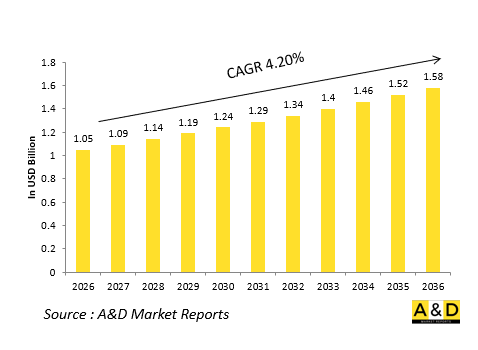
全球国防弹射座椅市场预计将从2026年的10.5亿美元成长到2036年的15.8亿美元,在2026年至2036年的预测期内,复合年增长率(CAGR)为4.20%。
引言:
弹射座椅对于高风险的国防航空领域机组人员的生存至关重要,它能够确保飞行员在低速低空飞行时,即使飞机发生故障也能安全弹射。这些先进的火箭推进系统整合于战斗机、教练机和攻击机中,可在毫秒内展开降落伞、稳定火箭和生存包,从而弥合危机与救援之间的鸿沟。在日益激烈的空战中,飞行员的留任至关重要,这推动了全球弹射座椅市场预计将稳定成长。
主要型号包括座舱分离式和座舱贯穿式设计,重点在于轻质钛合金框架、电子控制顺序控制和个人安全带。製造商正在为下一代隐形飞机开发座椅,同时也致力于实现对老旧平台的无缝改装。随着任务演变为城市近距离空中支援和高超音速飞行,弹射座椅正在发展成为整合信标和自动喷射器的智慧逃生舱。该市场体现了国防部门优先考虑的保护人力资源,使经验丰富的航空人员能够重返战场。
科技对国防弹射座椅市场的影响
尖端技术正在改变市场格局,重点在于精准性、适应性和弹射后生存能力。微处理器控制的弹道系统可根据空速、高度和过载即时调整推力曲线,即使在以往无法生存的环境中也能实现安全弹射。腿部约束捲筒和自动充气悬浮系统可降低受伤风险,整合式抬头显示器可在下降过程中提供导航资讯。
积层製造零件显着减轻了重量,并可根据人体测量数据进行定制,以适应不同体型的机组人员,包括女性和体型较小的飞行员。人工智慧驱动的健康监测器可在弹射前评估飞行员状况,并控制氧气供应和抗荷服的启动顺序。电子武器逻辑可防止地面事故,而具有加密通讯功能的GPS信标则可在敌占区实现快速回收。混合式火箭固体燃料引擎可为无人机和城市作战提供可变推力。这些创新将安全弹射范围扩展至近乎垂直姿态和低空悬停,重新定义了机组人员安全,使其成为提升作战能力的重要因素。
防御型弹射座椅市场的主要驱动因素
几个关键的市场驱动因素正在加速防御型弹射座椅市场的成长。在竞争日益激烈的空域中,作战节奏的加速需要更强大的弹射系统来保护经验丰富的飞行员,而飞行员的训练成本与飞机采购成本相当。机队现代化浪潮正在为老旧平台改装改良型座椅,从而延长其使用寿命,而无需完全更换。
空军的多元化措施正在推动包容性设计的发展,以适应各种体型,从而有助于人员的招募和留任。先进教练机零事故准备就绪的监管要求正在推动其广泛应用。放宽对盟国的出口限制正在促进安全协议下的联合研发。无人系统的进步也推动了混合型弹射座椅的研发,这种座椅既支援有人驾驶操作,也支援无人驾驶操作,例如护航飞机。基于事故数据的人因工程研究正在推动弹射座椅启动顺序的改进,作为应对空间定向障碍的措施。这些因素共同作用,使弹射座椅从单纯的紧急装置转变为支援进攻战术和持续空中优势的主动装备。
防御型弹射座椅市场的区域趋势
区域优先事项塑造了弹射座椅市场,并反映了作战理论。北美在舰载机和第五代战斗机的全序列零零弹射座椅方面处于领先地位,强调夜间回收能力和极寒环境适应性。欧洲正透过合资企业推广模组化设计,并推动座椅标准化,以服务保卫广大边境的多国机队。
在亚太地区,轻量化设计正被优先考虑,用于在高机动性战斗机中于密集空域作战,并配备适应季风气候的自动旋转降落伞。在中东地区,优先考虑的是具备更强沙漠防护能力和可扩展生存套件的弹射座椅,以适应更长的搜救行动。在拉丁美洲和非洲等新兴市场,重点在于利用现场大修技术,对禁毒和维和训练飞机进行低成本改装。跨区域合作,包括向印太地区合作伙伴进行技术转让,正在促进当地能力建设。弹射座椅与整机整合化已成为日益增长的趋势,旨在优化生存能力,以应对从地对空飞弹到网路攻击等各种威胁。
本报告分析了全球国防弹射座椅市场,概述了关键趋势、市场影响因素、关键技术及其影响、主要地区和国家的趋势以及市场机会分析。
目录
国防弹射座椅市场:目录
国防弹射座椅市场:报告定义
国防弹射座椅市场:细分
依地区
依平台
依类型
未来十年国防弹射座椅市场分析
国防弹射座椅市场成长、趋势变化、技术应用概要及市场吸引力详情
国防弹射座椅市场:技术
预计将影响市场的十大技术及其对整体市场的潜在影响
全球国防弹射座椅市场:预测
本报告详细涵盖了上述各细分市场的十年市场预测。
国防弹射座椅市场趋势与预测:区域细分
本报告涵盖市场趋势、驱动因素、限制因素、挑战以及政治、经济、社会和技术因素。报告还提供了详细的区域市场预测和情境分析。区域分析部分最后列出了主要公司概况、供应商概况和公司基准。目前市场规模是基于典型情境估算。
北美
驱动因素、限制因素与挑战
PEST 分析
市场预测与情境分析
主要参与者
供应商层级状况
公司基准
欧洲
中东
亚太地区
南美洲
国防弹射座椅市场:国家分析
美国
国防项目
最新资讯
专利
当前市场技术成熟度
市场预测与情境分析
加拿大
义大利
法国
德国
荷兰
比利时
西班牙
瑞典
希腊
澳洲
南非
印度
中国
俄罗斯
韩国
日本
马来西亚
新加坡
巴西
国防弹射座椅市场:机会矩阵
专家对国防弹射座椅市场报告欧的观点
结论
关于航空航太与国防市场报告
Global Defense Ejection Seats Market 2026-2036
The Global Defense Ejection Seats Market is estimated at USD 1.05 billion in 2026, projected to grow to USD 1.58 billion by 2036 at a Compound Annual Growth Rate (CAGR) of 4.20% over the forecast period 2026-2036.
Introduction:
Ejection seats form the backbone of aircrew survivability in high-risk defense aviation, offering zero-zero capability to safely extract pilots from disabled aircraft at low speeds and altitudes. These sophisticated rocket-propelled systems, integrated into fighters, trainers, and attack jets, deploy parachutes, stabilization rockets, and survival kits in milliseconds, bridging the gap between catastrophe and rescue. The global market for ejection seats is primed for steady advancement, fueled by relentless pursuit of pilot retention amid intensifying aerial combat.
Core variants include canopy-separation and canopy-through designs, with emphasis on lightweight titanium frames, electronic sequencing, and personalized harnesses. Manufacturers target seamless retrofits for legacy platforms while pioneering seats for next-generation stealth aircraft. As missions evolve toward urban close air support and hypersonic regimes, ejection seats evolve into smart escape pods, incorporating beacons and auto-injectors. This market embodies the defense priority of human capital preservation, ensuring experienced aviators return to fight another day.
Technology Impact in Defense Ejection Seats Market
Cutting-edge technologies are transforming the defense ejection seat market, prioritizing precision, adaptability, and post-ejection survival. Microprocessor-controlled ballistics adjust thrust profiles in real-time based on airspeed, altitude, and g-forces, enabling safe ejections from envelopes once deemed unsurvivable. Leg restraint reels and auto-inflating flotation devices mitigate injury risks, while integrated heads-up displays provide navigation during descent.
Additive-manufactured components slash weight and enable custom anthropometrics for diverse aircrews, including women and smaller pilots. AI-driven health monitors assess pilot condition pre-ejection, sequencing oxygen and anti-g suits. Electronic arming logic prevents ground accidents, and GPS-linked beacons with encrypted comms expedite recovery in denied areas. Hybrid rocket-solid fuel motors offer variable impulse for drones and urban ops. These breakthroughs extend safe ejection envelopes to near-vertical attitudes and low-level hovers, redefining crew safety as an active combat multiplier.
Key Drivers in Defense Ejection Seats Market
Critical drivers accelerate the defense ejection seat market's momentum. Heightened operational tempos in contested airspace demand robust escape systems to safeguard skilled pilots, whose training costs rival aircraft procurement. Fleet modernization waves retrofit upgraded seats into aging platforms, extending service life without full replacements.
Diversity initiatives in air forces push inclusive designs accommodating varied body types, enhancing recruitment and retention. Regulatory mandates for zero-zero compliance in advanced trainers spur widespread adoption. Export controls loosen for allies, boosting collaborative development under security pacts. Advances in unmanned systems create hybrid seats for optional manned modes in loyal wingmen. Human factors research, informed by accident data, refines sequencing to counter spatial disorientation. These forces collectively elevate ejection seats from reactive devices to proactive enablers of aggressive tactics and sustained air superiority.
Regional Trends in Defense Ejection Seats Market
Regional priorities shape the ejection seat market, mirroring operational doctrines. North America dominates with fully sequenced zero-zero seats for carrier jets and fifth-gen fighters, emphasizing night recovery and arctic compatibility. Europe advances modular designs through joint ventures, standardizing seats for multinational fleets defending expansive borders.
Asia-Pacific focuses on lightweight variants for high-maneuverability fighters in dense air traffic, with auto-rotation parachutes for monsoon climates. The Middle East prioritizes desert-hardened seats with extended survival kits for prolonged searches. Emerging markets in Latin America and Africa emphasize affordable retrofits for counter-narcotics and peacekeeping trainers, leveraging local overhauls. Cross-regional collaborations, like technology transfers to Indo-Pacific partners, foster indigenous capabilities. Trends highlight integration with whole-airframe escape systems, tailoring survivability to threats from manpads to cyber-induced failures.
Key Defense Ejection Seats Market Programs
Signature programs spotlight the ejection seat market's forefront. The U.S. Air Force's Next Generation Seat upgrade for F-35s incorporates biometric sequencing and drone-recovery hooks, enhancing joint operations. Europe's Future Combat Air System (FCAS) demonstrator tests capsule-style ejections with enclosed survival modules for high-altitude aborts.
India's indigenous K-36 derivative refines zero-zero performance for light combat aircraft, addressing hot-and-high plateaus. Australia's collaborative trainer seat program integrates VR training interfaces, boosting pilot confidence. Sweden's Gripen evolution features electronic zero-delay arming for rapid scrambles. Israel's advanced urban escape pod bundles ECM jammers with the seat, countering shoulder-fired threats. These initiatives harness simulation fidelity for certification, pioneering soft-landing rockets and swarm-rescue protocols. They position ejection seats as networked lifelines in distributed battlefield architectures.
Table of Contents
Defense Ejection Seats Market - Table of Contents
Defense Ejection Seats Market Report Definition
Defense Ejection Seats Market Segmentation
By Region
By Platform
By Type
Defense Ejection Seats Market Analysis for next 10 Years
The 10-year Defense Ejection Seats Market analysis would give a detailed overview of Defense Ejection Seats Market growth, changing dynamics, technology adoption overviews and the overall market attractiveness is covered in this chapter.
Market Technologies of Defense Ejection Seats Market
This segment covers the top 10 technologies that is expected to impact this market and the possible implications these technologies would have on the overall market.
Global Defense Ejection Seats Market Forecast
The 10-year Defense Ejection Seats Market forecast of this market is covered in detailed across the segments which are mentioned above.
Regional Defense Ejection Seats Market Trends & Forecast
The regional counter drone market trends, drivers, restraints and Challenges of this market, the Political, Economic, Social and Technology aspects are covered in this segment. The market forecast and scenario analysis across regions are also covered in detailed in this segment. The last part of the regional analysis includes profiling of the key companies, supplier landscape and company benchmarking. The current market size is estimated based on the normal scenario.
North America
Drivers, Restraints and Challenges
PEST
Market Forecast & Scenario Analysis
Key Companies
Supplier Tier Landscape
Company Benchmarking
Europe
Middle East
APAC
South America
Country Analysis of Defense Ejection Seats Market
This chapter deals with the key defense programs in this market, it also covers the latest news and patents which have been filed in this market. Country level 10 year market forecast and scenario analysis are also covered in this chapter.
US
Defense Programs
Latest News
Patents
Current levels of technology maturation in this market
Market Forecast & Scenario Analysis
Canada
Italy
France
Germany
Netherlands
Belgium
Spain
Sweden
Greece
Australia
South Africa
India
China
Russia
South Korea
Japan
Malaysia
Singapore
Brazil
Opportunity Matrix for Defense Ejection Seats Market
The opportunity matrix helps the readers understand the high opportunity segments in this market.
Expert Opinions on Defense Ejection Seats Market Report
Hear from our experts their opinion of the possible analysis for this market.
Conclusions
About Aviation and Defense Market Reports
List of Tables
- Table 1: 10 Year Market Outlook, 2026-2036
- Table 2: Drivers, Impact Analysis, North America
- Table 3: Restraints, Impact Analysis, North America
- Table 4: Challenges, Impact Analysis, North America
- Table 5: Drivers, Impact Analysis, Europe
- Table 6: Restraints, Impact Analysis, Europe
- Table 7: Challenges, Impact Analysis, Europe
- Table 8: Drivers, Impact Analysis, Middle East
- Table 9: Restraints, Impact Analysis, Middle East
- Table 10: Challenges, Impact Analysis, Middle East
- Table 11: Drivers, Impact Analysis, APAC
- Table 12: Restraints, Impact Analysis, APAC
- Table 13: Challenges, Impact Analysis, APAC
- Table 14: Drivers, Impact Analysis, South America
- Table 15: Restraints, Impact Analysis, South America
- Table 16: Challenges, Impact Analysis, South America
- Table 17: Scenario Analysis, Scenario 1, By Region, 2026-2036
- Table 18: Scenario Analysis, Scenario 1, By Platform, 2026-2036
- Table 19: Scenario Analysis, Scenario 1, By Type, 2026-2036
- Table 20: Scenario Analysis, Scenario 2, By Region, 2026-2036
- Table 21: Scenario Analysis, Scenario 2, By Platform, 2026-2036
- Table 22: Scenario Analysis, Scenario 2, By Type, 2026-2037
List of Figures
- Figure 1: Global Defense Ejection Seats Market Forecast, 2026-2036
- Figure 2: Global Defense Ejection Seats Market Forecast, By Region, 2026-2036
- Figure 3: Global Defense Ejection Seats Market Forecast, By Platform, 2026-2036
- Figure 4: Global Defense Ejection Seats Market Forecast, By Type, 2026-2036
- Figure 5: North America, Defense Ejection Seats Market, Market Forecast, 2026-2036
- Figure 6: Europe, Defense Ejection Seats Market, Market Forecast, 2026-2036
- Figure 7: Middle East, Defense Ejection Seats Market, Market Forecast, 2026-2036
- Figure 8: APAC, Defense Ejection Seats Market, Market Forecast, 2026-2036
- Figure 9: South America, Defense Ejection Seats Market, Market Forecast, 2026-2036
- Figure 10: United States, Defense Ejection Seats Market, Technology Maturation, 2026-2036
- Figure 11: United States, Defense Ejection Seats Market, Market Forecast, 2026-2036
- Figure 12: Canada, Defense Ejection Seats Market, Technology Maturation, 2026-2036
- Figure 13: Canada, Defense Ejection Seats Market, Market Forecast, 2026-2036
- Figure 14: Italy, Defense Ejection Seats Market, Technology Maturation, 2026-2036
- Figure 15: Italy, Defense Ejection Seats Market, Market Forecast, 2026-2036
- Figure 16: France, Defense Ejection Seats Market, Technology Maturation, 2026-2036
- Figure 17: France, Defense Ejection Seats Market, Market Forecast, 2026-2036
- Figure 18: Germany, Defense Ejection Seats Market, Technology Maturation, 2026-2036
- Figure 19: Germany, Defense Ejection Seats Market, Market Forecast, 2026-2036
- Figure 20: Netherlands, Defense Ejection Seats Market, Technology Maturation, 2026-2036
- Figure 21: Netherlands, Defense Ejection Seats Market, Market Forecast, 2026-2036
- Figure 22: Belgium, Defense Ejection Seats Market, Technology Maturation, 2026-2036
- Figure 23: Belgium, Defense Ejection Seats Market, Market Forecast, 2026-2036
- Figure 24: Spain, Defense Ejection Seats Market, Technology Maturation, 2026-2036
- Figure 25: Spain, Defense Ejection Seats Market, Market Forecast, 2026-2036
- Figure 26: Sweden, Defense Ejection Seats Market, Technology Maturation, 2026-2036
- Figure 27: Sweden, Defense Ejection Seats Market, Market Forecast, 2026-2036
- Figure 28: Brazil, Defense Ejection Seats Market, Technology Maturation, 2026-2036
- Figure 29: Brazil, Defense Ejection Seats Market, Market Forecast, 2026-2036
- Figure 30: Australia, Defense Ejection Seats Market, Technology Maturation, 2026-2036
- Figure 31: Australia, Defense Ejection Seats Market, Market Forecast, 2026-2036
- Figure 32: India, Defense Ejection Seats Market, Technology Maturation, 2026-2036
- Figure 33: India, Defense Ejection Seats Market, Market Forecast, 2026-2036
- Figure 34: China, Defense Ejection Seats Market, Technology Maturation, 2026-2036
- Figure 35: China, Defense Ejection Seats Market, Market Forecast, 2026-2036
- Figure 36: Saudi Arabia, Defense Ejection Seats Market, Technology Maturation, 2026-2036
- Figure 37: Saudi Arabia, Defense Ejection Seats Market, Market Forecast, 2026-2036
- Figure 38: South Korea, Defense Ejection Seats Market, Technology Maturation, 2026-2036
- Figure 39: South Korea, Defense Ejection Seats Market, Market Forecast, 2026-2036
- Figure 40: Japan, Defense Ejection Seats Market, Technology Maturation, 2026-2036
- Figure 41: Japan, Defense Ejection Seats Market, Market Forecast, 2026-2036
- Figure 42: Malaysia, Defense Ejection Seats Market, Technology Maturation, 2026-2036
- Figure 43: Malaysia, Defense Ejection Seats Market, Market Forecast, 2026-2036
- Figure 44: Singapore, Defense Ejection Seats Market, Technology Maturation, 2026-2036
- Figure 45: Singapore, Defense Ejection Seats Market, Market Forecast, 2026-2036
- Figure 46: United Kingdom, Defense Ejection Seats Market, Technology Maturation, 2026-2036
- Figure 47: United Kingdom, Defense Ejection Seats Market, Market Forecast, 2026-2036
- Figure 48: Opportunity Analysis, Defense Ejection Seats Market, By Region (Cumulative Market), 2026-2036
- Figure 49: Opportunity Analysis, Defense Ejection Seats Market, By Region (CAGR), 2026-2036
- Figure 50: Opportunity Analysis, Defense Ejection Seats Market, By Platform (Cumulative Market), 2026-2036
- Figure 51: Opportunity Analysis, Defense Ejection Seats Market, By Platform (CAGR), 2026-2036
- Figure 52: Opportunity Analysis, Defense Ejection Seats Market, By Type (Cumulative Market), 2026-2036
- Figure 53: Opportunity Analysis, Defense Ejection Seats Market, By Type (CAGR), 2026-2036
- Figure 54: Scenario Analysis, Defense Ejection Seats Market, Cumulative Market, 2026-2036
- Figure 55: Scenario Analysis, Defense Ejection Seats Market, Global Market, 2026-2036
- Figure 56: Scenario 1, Defense Ejection Seats Market, Total Market, 2026-2036
- Figure 57: Scenario 1, Defense Ejection Seats Market, By Region, 2026-2036
- Figure 58: Scenario 1, Defense Ejection Seats Market, By Platform, 2026-2036
- Figure 59: Scenario 1, Defense Ejection Seats Market, By Type, 2026-2036
- Figure 60: Scenario 2, Defense Ejection Seats Market, Total Market, 2026-2036
- Figure 61: Scenario 2, Defense Ejection Seats Market, By Region, 2026-2036
- Figure 62: Scenario 2, Defense Ejection Seats Market, By Platform, 2026-2036
- Figure 63: Scenario 2, Defense Ejection Seats Market, By Type, 2026-2036
- Figure 64: Company Benchmark, Defense Ejection Seats Market, 2026-2036

 全球防雷爆炸减震垫市场(2026-2036)轮式装甲战车市场报告:2031 年趋势、预测与竞争分析
 装甲战车市场按车辆类型、平台、动力系统、装甲类型、武器系统和采购方式划分-2025-2032年全球预测