


 |
市场调查报告书
商品编码
1989937
全球国防内部燃料囊/箱市场:2026-2036年Global Defense Internal Fuel Bladders / Tanks Market 2026-2036 |
||||||

全球国防内部燃料囊/箱市场
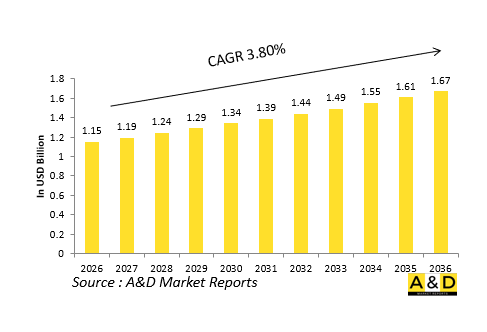
2026年全球国防内部燃料囊/箱市场规模预计为 11.5亿美元,预计在2026年至2036年的预测期内将以 3.80%的年复合成长率成长,到2036年达到 16.7亿美元。
引言:
全球国防内部燃料囊/箱市场是非常重要的领域。军事平台设计,目的是支援飞机、陆地车辆和海军系统内部安全高效的燃料储存。内部燃料系统大致可分为整合式箱、刚性可拆卸箱和柔性燃料囊,每种系统都目的是满足特定的操作和结构要求。燃料囊(也称为燃料电池)是安装在飞机和车辆结构内部的柔性加固容器,用于安全储存燃料并适应可用空间。
这些系统在确保任务持续时间、平台航程和运作可靠性方面发挥着非常重要的作用。在现代国防平台中,内部燃料解决方案目的是承受恶劣环境、振动和作战条件。对轻量化、空间利用率高且生存能力强的燃料储存解决方案日益成长的需求推动创新,使内部燃料囊和箱成为下一代军事系统的关键组件。
科技对国防内部燃料囊/箱市场的影响
技术进步显着提高了内部燃料储存系统的效能、安全性和耐久性。现代燃料囊采用多层橡胶复合材料製造,具有柔韧性、耐腐蚀性和高强度。
其中一项最重要的创新是自密封燃箱的开发,它可以自动密封弹道衝击造成的穿孔,防止燃油洩漏并降低火灾风险。
此外,还采用了先进的涂层和内部发泡技术来抑制燃油蒸汽点燃并提高抗爆性能。
此外,模组化和客製化设计使得燃料囊能够整合到复杂的飞机结构中,在不影响结构完整性的前提下最佳化空间利用率。
数位监控系统正被日益应用于即时追踪燃油液位、压力和系统运作状况。这些技术进步将内部燃料系统转变为更安全、更轻、更有效率的现代国防应用解决方案。
国防内部燃料囊/箱市场的主要驱动因素
该市场的主要驱动因素是军用平台对提高燃油效率、延长航程和增强生存能力的日益成长的需求。内部燃料系统在作战和支援行动中都非常重要,因为它们直接影响任务持续时间和效能。
先进战斗机、直升机和无人系统的日益普及推动了对轻量化和空间利用率高的燃料储存解决方案的需求。柔性燃料囊因其适应性和易于在狭小和不规则形状的空间内安装而备受青睐。
另一个关键因素是提高作战环境安全性的需求。自密封和抗衝击燃料箱有助于降低火灾风险并提高机组人员的生存能力。
此外,现代化改造和改装专案用先进的囊式系统取代老旧的刚性箱。这些因素共同推动了机载燃料储存市场的持续成长和创新。
国防内部燃料囊/箱市场区域趋势
从区域趋势来看,全球需求强劲,主要得益于各大国防国家的研发与部署。北美凭藉其先进的航太工业和对军事现代化计画的持续投资,仍然是市场主导地区。
在欧洲,得益于强大的国防製造能力和联合飞机研发计划,市场呈现稳定成长。亚太地区崛起为重要的成长中心,这主要得益于不断成长的国防预算、不断扩大的机队规模以及对国内生产能力的日益重视。
该地区各国投资先进的燃料储存技术,以提高作战航程和平台生存能力。由于持续采购现代化国防系统以及恶劣的作战环境,中东地区也出现了显着的需求。
整体而言,各区域的趋势反映出全球都在致力于透过先进的内部燃料储存解决方案来提高效率、安全性和任务准备度。
国防内部燃料囊/箱市场主要计画
多个国防计画推动内部燃料囊和箱的演进。现代军用飞机计画整合先进的内部燃料系统,以支援更远的航程、空中加油能力和任务灵活性。
针对老旧平台的升级和翻新计画采用自密封和抗衝击燃料囊,以提高安全性并延长使用寿命。
国防机构也投资国内研发计画,以增强国内燃料系统技术能力并减少对外部供应商的依赖。
此外,在前沿部署和远征作战中,越来越依赖高度灵活的燃料囊系统,以便在偏远地区实现快速部署和加油。未来的专案将着重于轻量化材料、数位化监控和提高生存能力,以确保内部燃料囊和燃料箱仍然是现代国防平台设计和作战效能的关键要素。
目录
国防内部燃料囊/燃料箱市场 - 目录
国防内部燃料囊/燃料箱市场报告定义
国防内部燃料囊/燃料箱市场细分
依平台
依类型
依地区
依容量
未来十年国防内部燃料囊/燃料箱市场分析
本章将对未来十年国防内部燃料囊/燃料箱市场进行详细分析。多年来,本报告概述了国防内部燃料囊/箱市场的成长、变化趋势、技术进步和市场吸引力。
国防内部燃料囊/箱市场技术趋势
本节讨论了预计将影响该市场的十大技术及其对整体市场的潜在影响。
全球国防内部燃料囊/箱市场预测
本报告详细涵盖了上述所有细分市场未来十年的国防内部燃料囊/箱市场预测。
区域国防内部燃料囊/箱市场趋势与预测
本节讨论了国防内部燃料囊/箱市场的区域趋势、驱动因素、限制因素、挑战以及政治、经济、社会和技术方面。此外,本部分也提供了详细的区域市场预测和情境分析。区域分析的最后一部分涵盖了主要参与者概况、供应商格局和公司基准。目前市场规模是基于正常情况估算的。
北美
驱动因素、限制因素与挑战
PEST分析
市场预测与情境分析
主要参与者
供应商层级状况
公司基准
欧洲
中东
亚太地区
南美洲
国防内部燃料囊/箱市场国别分析
本章讨论该市场的主要国防计画,以及该市场的最新新闻和专利申请。它还提供针对特定国家的十年市场预测和情境分析。
美国
国防规划
最新消息
专利
当前市场技术成熟度
市场预测与情境分析
加拿大
义大利
法国
德国
荷兰
比利时
西班牙
瑞典
希腊
澳洲
南非
印度
中国
俄罗斯
韩国
日本
马来西亚
新加坡
巴西
国防内部燃料囊/箱市场机会矩阵
机会矩阵帮助读者了解该市场中高机会细分领域。
国防内部燃料囊/箱市场报告专家意见
总结了专家对该市场分析潜力的意见。
结论
关于航空航太与国防市场报告
Global Defense Internal Fuel Bladders / Tanks Market
The Global Defense Internal Fuel Bladders / Tanks Market is estimated at USD 1.15 billion in 2026, projected to grow to USD 1.67 billion by 2036 at a Compound Annual Growth Rate (CAGR) of 3.80% over the forecast period 2026-2036.
Introduction:
The global defense internal fuel bladders and tanks market is a vital segment of military platform design, supporting safe and efficient fuel storage within aircraft, land vehicles, and naval systems. Internal fuel systems are broadly categorized into integral tanks, rigid removable tanks, and flexible fuel bladders, each designed to meet specific operational and structural requirements. Fuel bladders, also known as fuel cells, are flexible, reinforced containers installed داخل aircraft or vehicle structures to store fuel securely while adapting to available space.
These systems play a critical role in ensuring mission endurance, platform range, and operational reliability. In modern defense platforms, internal fuel solutions are designed to withstand harsh environments, vibrations, and combat conditions. Increasing demand for lightweight, space-efficient, and survivable fuel storage solutions is driving innovation, making internal fuel bladders and tanks essential components in next-generation military systems.
Technology Impact in Defense Internal Fuel Bladders / Tanks Market
Technological advancements are significantly enhancing the performance, safety, and durability of internal fuel storage systems. Modern fuel bladders are constructed using multi-layer, rubberized composite materials that offer flexibility, corrosion resistance, and high strength.
One of the most important innovations is the development of self-sealing fuel tanks, which automatically close punctures caused by ballistic impacts, preventing fuel leakage and reducing fire risk.
Advanced coatings and internal foam technologies are also being used to suppress fuel vapor ignition and improve explosion resistance.
Additionally, modular and custom-fit designs allow fuel bladders to be integrated into complex aircraft structures, optimizing space utilization without compromising structural integrity.
Digital monitoring systems are increasingly being incorporated to track fuel levels, pressure, and system health in real time. These technological improvements are transforming internal fuel systems into safer, lighter, and more efficient solutions for modern defense applications.
Key Drivers in Defense Internal Fuel Bladders / Tanks Market
The primary driver of this market is the growing demand for enhanced fuel efficiency, extended operational range, and improved survivability in military platforms. Internal fuel systems directly impact mission duration and effectiveness, making them critical for both combat and support operations.
The increasing adoption of advanced fighter aircraft, helicopters, and unmanned systems is driving demand for lightweight and space-optimized fuel storage solutions. Flexible fuel bladders are particularly valued for their adaptability and ease of installation in confined or irregular spaces.
Another key driver is the need for improved safety in combat environments, where self-sealing and crash-resistant fuel tanks help reduce fire hazards and enhance crew survivability.
Additionally, modernization and retrofit programs are replacing older rigid tanks with advanced bladder systems. These factors collectively support continuous growth and innovation in the internal fuel storage market.
Regional Trends in Defense Internal Fuel Bladders / Tanks Market
Regional trends indicate strong global demand, with major defense nations leading development and adoption. North America remains a dominant region due to its advanced aerospace sector and continuous investment in military modernization programs.
Europe is witnessing steady growth supported by strong defense manufacturing capabilities and collaborative aircraft development initiatives. The Asia-Pacific region is emerging as a significant growth hub, driven by rising defense budgets, expanding fleets, and increasing focus on indigenous production capabilities.
Countries in this region are investing in advanced fuel storage technologies to enhance operational range and platform survivability. The Middle East also shows notable demand due to ongoing procurement of modern defense systems and harsh operating environments.
Overall, regional dynamics reflect a global emphasis on improving efficiency, safety, and mission readiness through advanced internal fuel storage solutions.
Key Defense Internal Fuel Bladders / Tanks Market Program
Several defense programs are shaping the evolution of internal fuel bladders and tanks. Modern military aircraft programs integrate advanced internal fuel systems to support extended range, aerial refueling compatibility, and mission flexibility.
Upgrade and retrofit initiatives for legacy platforms are incorporating self-sealing and crash-resistant fuel bladders to enhance safety and extend service life.
Defense organizations are also investing in indigenous development programs to strengthen domestic capabilities in fuel system technologies and reduce reliance on external suppliers.
Additionally, forward deployment and expeditionary operations increasingly rely on flexible fuel bladder systems for rapid setup and fuel logistics in remote locations. Future programs emphasize lightweight materials, digital monitoring, and enhanced survivability features, ensuring that internal fuel bladders and tanks remain a critical component of modern defense platform design and operational effectiveness.
Table of Contents
Defense Internal Fuel Bladders / Tanks Market - Table of Contents
Defense Internal Fuel Bladders / Tanks Market Report Definition
Defense Internal Fuel Bladders / Tanks Market Segmentation
By Platform
By Type
By Region
By Capacity
Defense Internal Fuel Bladders / Tanks Market Analysis for next 10 Years
The 10-year Defense Internal Fuel Bladders / Tanks Market analysis would give a detailed overview of Defense Internal Fuel Bladders / Tanks Market growth, changing dynamics, technology adoption overviews and the overall market attractiveness is covered in this chapter.
Market Technologies of Defense Internal Fuel Bladders / Tanks Market
This segment covers the top 10 technologies that is expected to impact this market and the possible implications these technologies would have on the overall market.
Global Defense Internal Fuel Bladders / Tanks Market Forecast
The 10-year Defense Internal Fuel Bladders / Tanks Market forecast of this market is covered in detailed across the segments which are mentioned above.
Regional Defense Internal Fuel Bladders / Tanks Market Trends & Forecast
The regional counter drone market trends, drivers, restraints and Challenges of this market, the Political, Economic, Social and Technology aspects are covered in this segment. The market forecast and scenario analysis across regions are also covered in detailed in this segment. The last part of the regional analysis includes profiling of the key companies, supplier landscape and company benchmarking. The current market size is estimated based on the normal scenario.
North America
Drivers, Restraints and Challenges
PEST
Market Forecast & Scenario Analysis
Key Companies
Supplier Tier Landscape
Company Benchmarking
Europe
Middle East
APAC
South America
Country Analysis of Defense Internal Fuel Bladders / Tanks Market
This chapter deals with the key defense programs in this market, it also covers the latest news and patents which have been filed in this market. Country level 10 year market forecast and scenario analysis are also covered in this chapter.
US
Defense Programs
Latest News
Patents
Current levels of technology maturation in this market
Market Forecast & Scenario Analysis
Canada
Italy
France
Germany
Netherlands
Belgium
Spain
Sweden
Greece
Australia
South Africa
India
China
Russia
South Korea
Japan
Malaysia
Singapore
Brazil
Opportunity Matrix for Defense Internal Fuel Bladders / Tanks Market
The opportunity matrix helps the readers understand the high opportunity segments in this market.
Expert Opinions on Defense Internal Fuel Bladders / Tanks Market Report
Hear from our experts their opinion of the possible analysis for this market.
Conclusions
About Aviation and Defense Market Reports
List of Tables
- Table 1: 10 Year Market Outlook, 2026-2036
- Table 2: Drivers, Impact Analysis, North America
- Table 3: Restraints, Impact Analysis, North America
- Table 4: Challenges, Impact Analysis, North America
- Table 5: Drivers, Impact Analysis, Europe
- Table 6: Restraints, Impact Analysis, Europe
- Table 7: Challenges, Impact Analysis, Europe
- Table 8: Drivers, Impact Analysis, Middle East
- Table 9: Restraints, Impact Analysis, Middle East
- Table 10: Challenges, Impact Analysis, Middle East
- Table 11: Drivers, Impact Analysis, APAC
- Table 12: Restraints, Impact Analysis, APAC
- Table 13: Challenges, Impact Analysis, APAC
- Table 14: Drivers, Impact Analysis, South America
- Table 15: Restraints, Impact Analysis, South America
- Table 16: Challenges, Impact Analysis, South America
- Table 17: Scenario Analysis, Scenario 1, By Region, 2026-2036
- Table 18: Scenario Analysis, Scenario 1, By Platform, 2026-2036
- Table 19: Scenario Analysis, Scenario 1, By Type, 2026-2036
- Table 20: Scenario Analysis, Scenario 2, By Region, 2026-2036
- Table 21: Scenario Analysis, Scenario 2, By Platform, 2026-2036
- Table 22: Scenario Analysis, Scenario 2, By Type, 2026-2036
List of Figures
- Figure 1: Global Defense Internal Fuel Bladders / Tanks Market Forecast, 2026-2036
- Figure 2: Global Defense Internal Fuel Bladders / Tanks Market Forecast, By Region, 2026-2036
- Figure 3: Global Defense Internal Fuel Bladders / Tanks Market Forecast, By Platform, 2026-2036
- Figure 4: Global Defense Internal Fuel Bladders / Tanks Market Forecast, By Type, 2026-2036
- Figure 5: North America, Defense Internal Fuel Bladders / Tanks Market, Market Forecast, 2026-2036
- Figure 6: Europe, Defense Internal Fuel Bladders / Tanks Market, Market Forecast, 2026-2036
- Figure 7: Middle East, Defense Internal Fuel Bladders / Tanks Market, Market Forecast, 2026-2036
- Figure 8: APAC, Defense Internal Fuel Bladders / Tanks Market, Market Forecast, 2026-2036
- Figure 9: South America, Defense Internal Fuel Bladders / Tanks Market, Market Forecast, 2026-2036
- Figure 10: United States, Defense Internal Fuel Bladders / Tanks Market, Region Maturation, 2026-2036
- Figure 11: United States, Defense Internal Fuel Bladders / Tanks Market, Market Forecast, 2026-2036
- Figure 12: Canada, Defense Internal Fuel Bladders / Tanks Market, Region Maturation, 2026-2036
- Figure 13: Canada, Defense Internal Fuel Bladders / Tanks Market, Market Forecast, 2026-2036
- Figure 14: Italy, Defense Internal Fuel Bladders / Tanks Market, Region Maturation, 2026-2036
- Figure 15: Italy, Defense Internal Fuel Bladders / Tanks Market, Market Forecast, 2026-2036
- Figure 16: France, Defense Internal Fuel Bladders / Tanks Market, Region Maturation, 2026-2036
- Figure 17: France, Defense Internal Fuel Bladders / Tanks Market, Market Forecast, 2026-2036
- Figure 18: Germany, Defense Internal Fuel Bladders / Tanks Market, Region Maturation, 2026-2036
- Figure 19: Germany, Defense Internal Fuel Bladders / Tanks Market, Market Forecast, 2026-2036
- Figure 20: Netherlands, Defense Internal Fuel Bladders / Tanks Market, Region Maturation, 2026-2036
- Figure 21: Netherlands, Defense Internal Fuel Bladders / Tanks Market, Market Forecast, 2026-2036
- Figure 22: Belgium, Defense Internal Fuel Bladders / Tanks Market, Region Maturation, 2026-2036
- Figure 23: Belgium, Defense Internal Fuel Bladders / Tanks Market, Market Forecast, 2026-2036
- Figure 24: Spain, Defense Internal Fuel Bladders / Tanks Market, Region Maturation, 2026-2036
- Figure 25: Spain, Defense Internal Fuel Bladders / Tanks Market, Market Forecast, 2026-2036
- Figure 26: Sweden, Defense Internal Fuel Bladders / Tanks Market, Region Maturation, 2026-2036
- Figure 27: Sweden, Defense Internal Fuel Bladders / Tanks Market, Market Forecast, 2026-2036
- Figure 28: Brazil, Defense Internal Fuel Bladders / Tanks Market, Region Maturation, 2026-2036
- Figure 29: Brazil, Defense Internal Fuel Bladders / Tanks Market, Market Forecast, 2026-2036
- Figure 30: Australia, Defense Internal Fuel Bladders / Tanks Market, Region Maturation, 2026-2036
- Figure 31: Australia, Defense Internal Fuel Bladders / Tanks Market, Market Forecast, 2026-2036
- Figure 32: India, Defense Internal Fuel Bladders / Tanks Market, Region Maturation, 2026-2036
- Figure 33: India, Defense Internal Fuel Bladders / Tanks Market, Market Forecast, 2026-2036
- Figure 34: China, Defense Internal Fuel Bladders / Tanks Market, Region Maturation, 2026-2036
- Figure 35: China, Defense Internal Fuel Bladders / Tanks Market, Market Forecast, 2026-2036
- Figure 36: Saudi Arabia, Defense Internal Fuel Bladders / Tanks Market, Region Maturation, 2026-2036
- Figure 37: Saudi Arabia, Defense Internal Fuel Bladders / Tanks Market, Market Forecast, 2026-2036
- Figure 38: South Korea, Defense Internal Fuel Bladders / Tanks Market, Region Maturation, 2026-2036
- Figure 39: South Korea, Defense Internal Fuel Bladders / Tanks Market, Market Forecast, 2026-2036
- Figure 40: Japan, Defense Internal Fuel Bladders / Tanks Market, Region Maturation, 2026-2036
- Figure 41: Japan, Defense Internal Fuel Bladders / Tanks Market, Market Forecast, 2026-2036
- Figure 42: Malaysia, Defense Internal Fuel Bladders / Tanks Market, Region Maturation, 2026-2036
- Figure 43: Malaysia, Defense Internal Fuel Bladders / Tanks Market, Market Forecast, 2026-2036
- Figure 44: Singapore, Defense Internal Fuel Bladders / Tanks Market, Region Maturation, 2026-2036
- Figure 45: Singapore, Defense Internal Fuel Bladders / Tanks Market, Market Forecast, 2026-2036
- Figure 46: United Kingdom, Defense Internal Fuel Bladders / Tanks Market, Region Maturation, 2026-2036
- Figure 47: United Kingdom, Defense Internal Fuel Bladders / Tanks Market, Market Forecast, 2026-2036
- Figure 48: Opportunity Analysis, Defense Internal Fuel Bladders / Tanks Market, By Region (Cumulative Market), 2026-2036
- Figure 49: Opportunity Analysis, Defense Internal Fuel Bladders / Tanks Market, By Region (CAGR), 2026-2036
- Figure 50: Opportunity Analysis, Defense Internal Fuel Bladders / Tanks Market, By Platform (Cumulative Market), 2026-2036
- Figure 51: Opportunity Analysis, Defense Internal Fuel Bladders / Tanks Market, By Platform (CAGR), 2026-2036
- Figure 52: Opportunity Analysis, Defense Internal Fuel Bladders / Tanks Market, By Type (Cumulative Market), 2026-2036
- Figure 53: Opportunity Analysis, Defense Internal Fuel Bladders / Tanks Market, By Type (CAGR), 2026-2036
- Figure 54: Scenario Analysis, Defense Internal Fuel Bladders / Tanks Market, Cumulative Market, 2026-2036
- Figure 55: Scenario Analysis, Defense Internal Fuel Bladders / Tanks Market, Global Market, 2026-2036
- Figure 56: Scenario 1, Defense Internal Fuel Bladders / Tanks Market, Total Market, 2026-2036
- Figure 57: Scenario 1, Defense Internal Fuel Bladders / Tanks Market, By Region, 2026-2036
- Figure 58: Scenario 1, Defense Internal Fuel Bladders / Tanks Market, By Platform, 2026-2036
- Figure 59: Scenario 1, Defense Internal Fuel Bladders / Tanks Market, By Type, 2026-2036
- Figure 60: Scenario 2, Defense Internal Fuel Bladders / Tanks Market, Total Market, 2026-2036
- Figure 61: Scenario 2, Defense Internal Fuel Bladders / Tanks Market, By Region, 2026-2036
- Figure 62: Scenario 2, Defense Internal Fuel Bladders / Tanks Market, By Platform, 2026-2036
- Figure 63: Scenario 2, Defense Internal Fuel Bladders / Tanks Market, By Type, 2026-2036
- Figure 64: Company Benchmark, Defense Internal Fuel Bladders / Tanks Market, 2026-2036

 金属钟市场:按类型、材料、製造流程、应用和终端用户产业划分,全球预测,2026-2032年
 航太与国防(A&D)燃料市场规模、份额和成长分析:按组件、燃料类型、应用、最终用户和地区划分-2026-2033年产业预测
 航太金属钟罩市场 - 全球产业规模、份额、趋势、机会、预测:按产品类型、材料类型、配件类型、地区和竞争格局划分,2021-2031年
 焊接金属波纹管市场规模、份额和成长分析(按类型、应用、材质和地区划分)-2026-2033年产业预测
 金属波纹管蓄能器:全球市场份额和排名、总销售额和需求预测(2025-2031 年)
 半导体波纹管泵市场报告:趋势、预测和竞争分析(至 2031 年)金属波纹管市场,依材料、应用、产业垂直、国家/地区划分 - 2025 年至 2032 年产业分析、市场规模、市场份额及预测液压成型金属波纹管市场报告:2030 年趋势、预测与竞争分析
 全球焊接金属波纹管市场:产业分析、规模、占有率、成长、趋势、预测(2024-2031)
 金属波纹管的全球市场 - 市场占有率和排行榜,整体销售额,需求的预测(2024年~2030年)