


 |
市场调查报告书
商品编码
1996989
全球国防GPS/GNSS接收器(抗干扰)市场:2026-2036年Global Defense GPS / GNSS Receivers (Anti-Jam) Market 2026-2036 |
||||||

全球国防GPS/GNSS接收器(抗干扰)市场
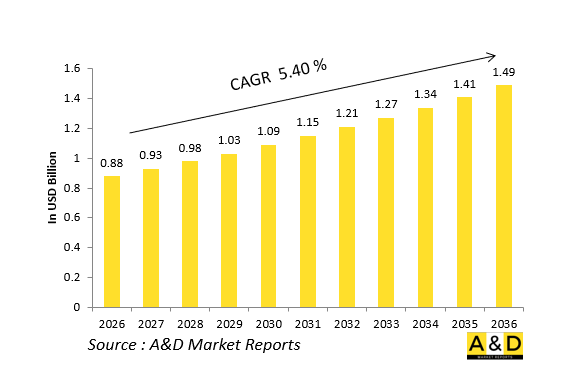
2026 年全球国防 GPS/GNSS接收器(抗干扰)市场规模估计为 8.8 亿美元,预计在 2026 年至 2036 年的预测期内将以 5.40% 的复合年增长率增长,到 2036 年达到 14.9 亿美元。
1. 引言:
具备抗干扰能力的防御型GPS和GNSS接收器是至关重要的导航和时间同步节点,可为在电磁控制环境下运作的军事平台提供安全可靠的位置、速度和时间资讯。这些系统整合于飞机、船舰、地面车辆、飞弹以及指挥控制节点中,无需依赖易受干扰的民用讯号,即可实现精确导航、目标捕获和时间同步。随着各国军方日益意识到缺乏抗干扰能力的GNSS链路易受干扰、欺骗和网路攻击,预计2026年至2036年间,该市场将持续成长。
最新的抗干扰接收器整合了先进的讯号处理技术、定向天线和加密保护,即使在强烈的电子战压力下也能保持可靠的导航。这些技术越来越多地与惯性导航、地形资讯和替代的PNT(位置、导航和时间)资讯来源结合,形成混合架构,即使GPS长时间不可用也能保持运作。随着多域和网路化战争成为常态,抗干扰GPS/GNSS接收器正从简单的授时模组发展成为安全可靠的关键任务子系统,支援从精确打击协调到安全通讯和自主平台运作等各种任务。
2. 科技对国防GPS/GNSS接收器市场的影响(反干扰)
技术进步已将国防GPS/GNSS接收器从基本的讯号追踪设备转变为具备频谱辨识能力的智慧软体定义节点。现代抗干扰接收器采用高灵敏度、多频、多卫星群架构,利用多个卫星系统的讯号来提高可用性和容错能力。先进的数位讯号处理技术,包括自适应滤波和干扰抑制演算法,使这些接收器能够在保持对微弱和劣化讯号的锁定的同时,消除干扰源。
透过与可控接收天线(CRPA)和多单元相位阵列集成,可实现空间干扰方向的消除,从而显着提高恶劣环境下的信噪比。软体定义接收器架构支援透过无线电进行更新和重新配置,以适应新的频率、调变方案或加密金钥,从而加速下一代平台的整合週期。在安全性方面,军用级加密模组和加密讯号可提供可靠的定位和授时功能,有效抵御欺骗和篡改。这些创新技术增强了平台的生存能力,扩大了衝突地区的作战范围,并支援需要精确可靠授时功能的自主和网路化作战。
3. 国防GPS/GNSS接收器(抗干扰)市场的主要驱动因素
电子战威胁日益加剧,推动了防御型抗干扰GPS/GNSS接收器市场的发展。敌方可以利用成本相对较低的干扰和欺骗技术,轻易劣化或瘫痪民用GNSS服务。因此,各国军方都在投资研发性能卓越、军用等级的接收机,这些接收机即使在高度干扰的环境下也能可靠运行,并支援关键任务的导航、目标捕获和接收器。这项需求涵盖战斗机、无人机、飞弹、火炮、舰艇以及地面C4ISR系统,所有这些设备都依赖精确的时间和位置资讯。
另一个关键因素是多域和网路中心战的扩展。在这些作战行动中,位置和时间同步对于联合目标定位、协同攻击和感测器融合至关重要。现代精确导引飞弹、自主车辆和分散式感测器网路在飞行和任务的每个阶段都依赖容错的全球导航卫星系统(GNSS)输入。舰队现代化和延寿计画也在加速老旧平台的维修,为其配备升级的抗干扰接收器,以适应新的卫星星系和加密讯号。盟军之间的互通性和标准化需求进一步推动了通用抗干扰架构的采用,而安全和认证标准则推动了对稳健、容错和防篡改设计的需求。这些因素共同推动了整个国防生态系统对扩充性、软体可升级和网路安全增强型GPS/GNSS接收器的需求不断增长。
4. 国防GPS/GNSS接收器(反干扰)市场的区域趋势
从区域来看,北美在抗干扰GPS/GNSS接收器市场占有领先地位。这主要得益于大规模的战斗机、轰炸机、无人机、飞弹和C4ISR项目,这些项目优先考虑强大的定位和时间同步能力。美国及其合作伙伴重视整合到数位飞行控制系统、任务电脑和安全通讯接收器中的强大多星座卫星群,这些接收机通常与先进的卫星导航服务协同工作。欧洲的国防计画也越来越多地在多用途平台上采用通用的抗干扰架构,倾向于支援跨境标准和协同后勤的互通性接收器。
在亚太地区,随着多个国家对其空军、海军和飞弹部队进行现代化改造,采用国产或联合研发的抗干扰GNSS解决方案来应对区域电子战威胁,该地区正经历快速增长。中东和海湾国家正在投资研发新建平台和维修现有平台的高效能接收器,以确保即使在高度干扰的环境下也能保持导航能力。在这些全部区域,对模组化、开放式架构的抗干扰接收器的需求日益增长,这类接收机可以在固定翼飞机、旋翼飞机、舰载机和地面平台上重复使用和升级。国内供应和技术主权的政策也在促进该地区的研发和生产,而出口管制和安全机制则影响高端抗干扰设备的可用性和配置。
5. 主要国防GPS/GNSS接收器(抗干扰)市场计划
2026年至2036年间,多个重大国防工程将推动抗干扰GPS/GNSS接收器的市场需求。新一代战斗机和多用途作战飞机专案需要先进的抗干扰接收器,并将其与数位飞行控制系统、任务计算机和电子战系统紧密整合,即使在强干扰环境下也能实现精确导航和目标捕获。海军航空和海上计画正在为舰载和远端平台配备强大的接收器,以支援航空母舰作战、海上导航以及衝突地区的协同打击行动。
无人作战飞行器(UAV)、长途飞行无人机和集群无人机专案依赖紧凑型、低功耗的抗干扰接收器,以实现自主飞行、航点导航和编队保持,而无需持续依赖清晰的全球导航卫星系统(GNSS)讯号。飞弹和精确导引飞弹计画将小型化的军用级GNSS模组整合到其导引系统中,即使在末段飞行阶段面临干扰和欺骗,也能保持精度。地面C4ISR、火炮和电子战系统采用抗干扰GNSS接收器,为通讯、雷达和网路作战提供安全、同步的授时。多国和联盟层级的专案正在推进GNSS接收器介面和资料格式的标准化,从而实现伙伴国家之间软体库、认证包和维护系统的共用。透过这些项目,抗干扰GPS/GNSS接收器正成为建构具有韧性的多域数位战基础设施的关键要素。
目录
国防GPS/GNSS接收器(抗干扰)市场 - 目录
国防GPS/GNSS接收器(抗干扰)市场报告定义
国防GPS/GNSS接收器(抗干扰)的市场区隔。
按地区
干扰防护等级
按平台
接收器类型
透过整合
未来十年国防领域GPS/GNSS接收器(抗干扰)市场的分析
本章详细分析了10年来国防GPS/GNSS接收器(接收器)市场,说明其成长、发展趋势、技术采用概述和市场吸引力。
国防GPS/GNSS接收器(抗干扰)市场技术趋势
本节将说明预计将对该市场产生影响的十大技术及其对整个市场的潜在影响。
全球国防市场对GPS/GNSS接收器(抗干扰)的预测
上述所有细分市场对国防 GPS/GNSS接收器(抗干扰)的 10 年市场预测进行了全面涵盖。
区域国防GPS/GNSS接收器(抗干扰)市场趋势与预测
本节说明了无人机市场的区域趋势、驱动因素、限制、挑战以及政治、经济、社会和技术方面。此外,还提供了详细的区域市场预测和情境分析。区域分析的最后一部分涵盖了主要企业概况、供应商格局和公司基准。目前的市场规模估算是基于典型情境。
北美洲
促进因素、阻碍因素和挑战
害虫
市场预测与情境分析
主要企业
供应商层级状态
企业标竿管理
欧洲
中东
亚太地区
南美洲
对国防GPS/GNSS接收器(抗干扰)市场进行国别分析。
本章将说明该市场的主要国防项目,以及该市场的最新新闻和专利申请。此外,还将说明针对特定国家的十年市场预测和情境分析。
我们
国防计划
最新消息
专利
该市场目前的技术成熟度水平
市场预测与情境分析
加拿大
义大利
法国
德国
荷兰
比利时
西班牙
瑞典
希腊
澳洲
南非
印度
中国
俄罗斯
韩国
日本
马来西亚
新加坡
巴西
国防GPS/GNSS接收器(抗干扰)市场机会矩阵
机会矩阵帮助读者了解该市场中具有高机会的细分市场。
专家对国防GPS/GNSS接收器(抗干扰)市场报告的意见
我们总结了专家们对该市场分析潜力的意见。
结论
关于航空航太和国防市场报告
Global Defense GPS / GNSS Receivers (Anti Jam) Market
The Global Defense GPS / GNSS Receivers (Anti Jam) Market is estimated at USD 0.88 billion in 2026, projected to grow to USD 1.49 billion by 2036 at a Compound Annual Growth Rate (CAGR) of 5.40% over the forecast period 2026-2036.
1. Introduction:
Defense grade GPS and GNSS receivers with anti jam capabilities are critical navigation and timing nodes that provide secure, resilient position, velocity, and time information for military platforms operating in contested electromagnetic environments. These systems are embedded in aircraft, ships, ground vehicles, missiles, and command and control nodes, enabling precision navigation, targeting, and time synchronization without relying on vulnerable civilian grade signals. Over the 2026-2036 horizon, the market is expanding as armed forces recognize that unhardened GNSS links are increasingly susceptible to jamming, spoofing, and cyber enabled disruption.
Modern anti jam receivers integrate advanced signal processing techniques, directional antennas, and cryptographic protections to maintain reliable navigation even under heavy electronic warfare pressure. They are increasingly combined with inertial, terrain based, and alternative PNT sources to form hybrid architectures that can sustain operations during prolonged GPS outages. As multi domain and networked warfare becomes the norm, anti jam GPS/GNSS receivers are evolving from simple timing modules into secure, mission critical subsystems that underpin everything from precision strike coordination to secure communications and autonomous platform operations.
2. Technology Impact in Defense GPS / GNSS Receivers (Anti Jam) Market
Technology is transforming defense GPS/GNSS receivers from basic signal tracking units into intelligent, software defined, spectrum aware nodes. Modern anti jam receivers leverage high sensitivity, multi frequency, multi constellation architectures that exploit signals from several satellite systems to improve availability and resilience. Advanced digital signal processing, including adaptive filtering and interference cancellation algorithms, allows these receivers to reject jamming sources while maintaining lock on weak or degraded signals.
Integration with controlled reception pattern antennas (CRPA) and multi element phased arrays enables spatial nulling of jamming directions, significantly improving signal to noise margins in hostile environments. Software defined receiver architectures support over the air updates and reconfiguration for new frequencies, modulation schemes, or cryptographic keys, shortening integration cycles for next generation platforms. On the security side, military specific cryptographic modules and encrypted signals provide assured positioning and timing that are resistant to spoofing and manipulation. These innovations collectively raise platform survivability, extend operational reach in contested regions, and support autonomous and networked operations where precise, trusted timing is essential.
3. Key Drivers in Defense GPS / GNSS Receivers (Anti Jam) Market
The defense anti jam GPS/GNSS receiver market is driven by the growing threat of electronic warfare, where adversaries can easily degrade or deny civilian GNSS services using relatively low cost jammers and spoofing techniques. As a result, armed forces are investing in hardened, military specific receivers that can operate reliably in high jamming environments and support mission critical navigation, targeting, and communications. This requirement spans fighters, UAVs, missiles, artillery, naval vessels, and ground based C4ISR systems, all of which depend on precise timing and positioning.
Another key driver is the expansion of multi domain and network centric operations, where synchronized positioning and time are essential for joint targeting, coordinated strikes, and sensor fusion. Modern precision guided munitions, autonomous vehicles, and distributed sensor networks all rely on resilient GNSS inputs at every phase of flight or mission. Fleet modernization and life extension programs are also accelerating the retrofit of legacy platforms with upgraded anti jam receivers compatible with new satellite constellations and encrypted signals. Interoperability and standardization requirements across allied forces further encourage adoption of common anti jam architectures, while safety and certification standards reinforce demand for robust, fault tolerant, tamper resistant designs. Together, these factors are increasing the demand for scalable, software upgradable, and cyber secure GPS/GNSS receivers across the defense ecosystem.
4. Regional Trends in Defense GPS / GNSS Receivers (Anti Jam) Market
Regionally, North America leads the anti jam GPS/GNSS receiver market, supported by large scale fighter, bomber, UAV, missile, and C4ISR programs that prioritize resilient positioning and timing capabilities. The United States and its partners emphasize hardened, multi constellation receivers integrated into digital flight control systems, mission computers, and secure communications suites, often tied to advanced satellite navigation services. European defense programs are increasingly adopting common anti jam architectures across multi role platforms, favoring interoperable receivers that support cross national standards and shared logistics.
The Asia Pacific region is witnessing rapid growth as several nations modernize their air forces, navies, and missile forces with indigenous or co developed anti jam GNSS solutions tailored to regional electronic warfare threats. Middle Eastern and Gulf states are investing in hardened receivers for both new build platforms and retrofits, ensuring continued navigation capability in high jamming environments. Across these regions, there is a growing preference for modular, open architecture anti jam receivers that can be reused or upgraded across fixed wing, rotary wing, naval, and ground platforms. Domestic supply and technology sovereignty policies are also encouraging regional design and production, while export control and security regimes shape the availability and configuration of high end anti jam units.
5. Key Defense GPS / GNSS Receivers (Anti Jam) Market Program
Several flagship defense programs are shaping the anti jam GPS/GNSS receiver market over the 2026-2036 period. Next generation fighter and multi role combat air programs are specifying advanced anti jam receivers that integrate tightly with digital flight control systems, mission computers, and electronic warfare suites, enabling precise navigation and targeting even under heavy jamming. Naval aviation and maritime programs are equipping carrier based and long range platforms with hardened receivers that support carrier operations, over water navigation, and coordinated strike operations in contested maritime environments.
Unmanned combat air, long endurance UAV, and swarming drone programs are relying on compact, low power anti jam receivers to enable autonomous flight, waypoint navigation, and formation keeping without continuous reliance on clean GNSS signals. Missile and precision guided munitions programs are integrating miniaturized military grade GNSS modules into guidance sections to maintain accuracy when faced with jamming or spoofing during terminal phase flight. Ground based C4ISR, artillery, and electronic warfare systems are adopting anti jam GNSS receivers to provide secure, synchronized timing for communications, radar, and networked operations. Multinational and coalition level programs are standardizing GNSS receiver interfaces and data formats, enabling shared software libraries, certification packages, and sustainment arrangements across partner nations. Through these programs, anti jam GPS/GNSS receivers are becoming foundational elements of the resilient, multi domain digital warfare infrastructure.
Table of Contents
Defense GPS / GNSS Receivers (Anti-Jam) Market - Table of Contents
Defense GPS / GNSS Receivers (Anti-Jam) Market Report Definition
Defense GPS / GNSS Receivers (Anti-Jam) Market Segmentation
By Region
By Jamming Protection Level
By Platform
By Receiver Type
By Integration
Defense GPS / GNSS Receivers (Anti-Jam) Market Analysis for next 10 Years
The 10-year Defense GPS / GNSS Receivers (Anti-Jam) Market analysis would give a detailed overview of Defense GPS / GNSS Receivers (Anti-Jam) Market growth, changing dynamics, technology adoption overviews and the overall market attractiveness is covered in this chapter.
Market Technologies of Defense GPS / GNSS Receivers (Anti-Jam) Market
This segment covers the top 10 technologies that is expected to impact this market and the possible implications these technologies would have on the overall market.
Global Defense GPS / GNSS Receivers (Anti-Jam) Market Forecast
The 10-year Defense GPS / GNSS Receivers (Anti-Jam) Market forecast of this market is covered in detailed across the segments which are mentioned above.
Regional Defense GPS / GNSS Receivers (Anti-Jam) Market Trends & Forecast
The regional counter drone market trends, drivers, restraints and Challenges of this market, the Political, Economic, Social and Technology aspects are covered in this segment. The market forecast and scenario analysis across regions are also covered in detailed in this segment. The last part of the regional analysis includes profiling of the key companies, supplier landscape and company benchmarking. The current market size is estimated based on the normal scenario.
North America
Drivers, Restraints and Challenges
PEST
Market Forecast & Scenario Analysis
Key Companies
Supplier Tier Landscape
Company Benchmarking
Europe
Middle East
APAC
South America
Country Analysis of Defense GPS / GNSS Receivers (Anti-Jam) Market
This chapter deals with the key defense programs in this market, it also covers the latest news and patents which have been filed in this market. Country level 10 year market forecast and scenario analysis are also covered in this chapter.
US
Defense Programs
Latest News
Patents
Current levels of technology maturation in this market
Market Forecast & Scenario Analysis
Canada
Italy
France
Germany
Netherlands
Belgium
Spain
Sweden
Greece
Australia
South Africa
India
China
Russia
South Korea
Japan
Malaysia
Singapore
Brazil
Opportunity Matrix for Defense GPS / GNSS Receivers (Anti-Jam) Market
The opportunity matrix helps the readers understand the high opportunity segments in this market.
Expert Opinions on Defense GPS / GNSS Receivers (Anti-Jam) Market Report
Hear from our experts their opinion of the possible analysis for this market.
Conclusions
About Aviation and Defense Market Reports
List of Tables
- Table 1: 10 Year Market Outlook, 2026-2036
- Table 2: Drivers, Impact Analysis, North America
- Table 3: Restraints, Impact Analysis, North America
- Table 4: Challenges, Impact Analysis, North America
- Table 5: Drivers, Impact Analysis, Europe
- Table 6: Restraints, Impact Analysis, Europe
- Table 7: Challenges, Impact Analysis, Europe
- Table 8: Drivers, Impact Analysis, Middle East
- Table 9: Restraints, Impact Analysis, Middle East
- Table 10: Challenges, Impact Analysis, Middle East
- Table 11: Drivers, Impact Analysis, APAC
- Table 12: Restraints, Impact Analysis, APAC
- Table 13: Challenges, Impact Analysis, APAC
- Table 14: Drivers, Impact Analysis, South America
- Table 15: Restraints, Impact Analysis, South America
- Table 16: Challenges, Impact Analysis, South America
- Table 17: Scenario Analysis, Scenario 1, By Region, 2026-2036
- Table 18: Scenario Analysis, Scenario 1, By Platform, 2026-2036
- Table 19: Scenario Analysis, Scenario 1, By Anti-Jam Tech Level, 2026-2036
- Table 20: Scenario Analysis, Scenario 2, By Region, 2026-2036
- Table 21: Scenario Analysis, Scenario 2, By Platform, 2026-2036
- Table 22: Scenario Analysis, Scenario 2, By Anti-Jam Tech Level, 2026-2036
List of Figures
- Figure 1: Global Defense GPS / GNSS Receivers (Anti-Jam) Market Forecast, 2026-2036
- Figure 2: Global Defense GPS / GNSS Receivers (Anti-Jam) Market Forecast, By Region, 2026-2036
- Figure 3: Global Defense GPS / GNSS Receivers (Anti-Jam) Market Forecast, By Platform, 2026-2036
- Figure 4: Global Defense GPS / GNSS Receivers (Anti-Jam) Market Forecast, By Anti-Jam Tech Level, 2026-2036
- Figure 5: North America, Defense GPS / GNSS Receivers (Anti-Jam) Market, Market Forecast, 2026-2036
- Figure 6: Europe, Defense GPS / GNSS Receivers (Anti-Jam) Market, Market Forecast, 2026-2036
- Figure 7: Middle East, Defense GPS / GNSS Receivers (Anti-Jam) Market, Market Forecast, 2026-2036
- Figure 8: APAC, Defense GPS / GNSS Receivers (Anti-Jam) Market, Market Forecast, 2026-2036
- Figure 9: South America, Defense GPS / GNSS Receivers (Anti-Jam) Market, Market Forecast, 2026-2036
- Figure 10: United States, Defense GPS / GNSS Receivers (Anti-Jam) Market, Region Maturation, 2026-2036
- Figure 11: United States, Defense GPS / GNSS Receivers (Anti-Jam) Market, Market Forecast, 2026-2036
- Figure 12: Canada, Defense GPS / GNSS Receivers (Anti-Jam) Market, Region Maturation, 2026-2036
- Figure 13: Canada, Defense GPS / GNSS Receivers (Anti-Jam) Market, Market Forecast, 2026-2036
- Figure 14: Italy, Defense GPS / GNSS Receivers (Anti-Jam) Market, Region Maturation, 2026-2036
- Figure 15: Italy, Defense GPS / GNSS Receivers (Anti-Jam) Market, Market Forecast, 2026-2036
- Figure 16: France, Defense GPS / GNSS Receivers (Anti-Jam) Market, Region Maturation, 2026-2036
- Figure 17: France, Defense GPS / GNSS Receivers (Anti-Jam) Market, Market Forecast, 2026-2036
- Figure 18: Germany, Defense GPS / GNSS Receivers (Anti-Jam) Market, Region Maturation, 2026-2036
- Figure 19: Germany, Defense GPS / GNSS Receivers (Anti-Jam) Market, Market Forecast, 2026-2036
- Figure 20: Netherlands, Defense GPS / GNSS Receivers (Anti-Jam) Market, Region Maturation, 2026-2036
- Figure 21: Netherlands, Defense GPS / GNSS Receivers (Anti-Jam) Market, Market Forecast, 2026-2036
- Figure 22: Belgium, Defense GPS / GNSS Receivers (Anti-Jam) Market, Region Maturation, 2026-2036
- Figure 23: Belgium, Defense GPS / GNSS Receivers (Anti-Jam) Market, Market Forecast, 2026-2036
- Figure 24: Spain, Defense GPS / GNSS Receivers (Anti-Jam) Market, Region Maturation, 2026-2036
- Figure 25: Spain, Defense GPS / GNSS Receivers (Anti-Jam) Market, Market Forecast, 2026-2036
- Figure 26: Sweden, Defense GPS / GNSS Receivers (Anti-Jam) Market, Region Maturation, 2026-2036
- Figure 27: Sweden, Defense GPS / GNSS Receivers (Anti-Jam) Market, Market Forecast, 2026-2036
- Figure 28: Brazil, Defense GPS / GNSS Receivers (Anti-Jam) Market, Region Maturation, 2026-2036
- Figure 29: Brazil, Defense GPS / GNSS Receivers (Anti-Jam) Market, Market Forecast, 2026-2036
- Figure 30: Australia, Defense GPS / GNSS Receivers (Anti-Jam) Market, Region Maturation, 2026-2036
- Figure 31: Australia, Defense GPS / GNSS Receivers (Anti-Jam) Market, Market Forecast, 2026-2036
- Figure 32: India, Defense GPS / GNSS Receivers (Anti-Jam) Market, Region Maturation, 2026-2036
- Figure 33: India, Defense GPS / GNSS Receivers (Anti-Jam) Market, Market Forecast, 2026-2036
- Figure 34: China, Defense GPS / GNSS Receivers (Anti-Jam) Market, Region Maturation, 2026-2036
- Figure 35: China, Defense GPS / GNSS Receivers (Anti-Jam) Market, Market Forecast, 2026-2036
- Figure 36: Saudi Arabia, Defense GPS / GNSS Receivers (Anti-Jam) Market, Region Maturation, 2026-2036
- Figure 37: Saudi Arabia, Defense GPS / GNSS Receivers (Anti-Jam) Market, Market Forecast, 2026-2036
- Figure 38: South Korea, Defense GPS / GNSS Receivers (Anti-Jam) Market, Region Maturation, 2026-2036
- Figure 39: South Korea, Defense GPS / GNSS Receivers (Anti-Jam) Market, Market Forecast, 2026-2036
- Figure 40: Japan, Defense GPS / GNSS Receivers (Anti-Jam) Market, Region Maturation, 2026-2036
- Figure 41: Japan, Defense GPS / GNSS Receivers (Anti-Jam) Market, Market Forecast, 2026-2036
- Figure 42: Malaysia, Defense GPS / GNSS Receivers (Anti-Jam) Market, Region Maturation, 2026-2036
- Figure 43: Malaysia, Defense GPS / GNSS Receivers (Anti-Jam) Market, Market Forecast, 2026-2036
- Figure 44: Singapore, Defense GPS / GNSS Receivers (Anti-Jam) Market, Region Maturation, 2026-2036
- Figure 45: Singapore, Defense GPS / GNSS Receivers (Anti-Jam) Market, Market Forecast, 2026-2036
- Figure 46: United Kingdom, Defense GPS / GNSS Receivers (Anti-Jam) Market, Region Maturation, 2026-2036
- Figure 47: United Kingdom, Defense GPS / GNSS Receivers (Anti-Jam) Market, Market Forecast, 2026-2036
- Figure 48: Opportunity Analysis, Defense GPS / GNSS Receivers (Anti-Jam) Market, By Region (Cumulative Market), 2026-2036
- Figure 49: Opportunity Analysis, Defense GPS / GNSS Receivers (Anti-Jam) Market, By Region (CAGR), 2026-2036
- Figure 50: Opportunity Analysis, Defense GPS / GNSS Receivers (Anti-Jam) Market, By Platform (Cumulative Market), 2026-2036
- Figure 51: Opportunity Analysis, Defense GPS / GNSS Receivers (Anti-Jam) Market, By Platform (CAGR), 2026-2036
- Figure 52: Opportunity Analysis, Defense GPS / GNSS Receivers (Anti-Jam) Market, By Anti-Jam Tech Level(Cumulative Market), 2026-2036
- Figure 53: Opportunity Analysis, Defense GPS / GNSS Receivers (Anti-Jam) Market, By Anti-Jam Tech Level(CAGR), 2026-2036
- Figure 54: Scenario Analysis, Defense GPS / GNSS Receivers (Anti-Jam) Market, Cumulative Market, 2026-2036
- Figure 55: Scenario Analysis, Defense GPS / GNSS Receivers (Anti-Jam) Market, Global Market, 2026-2036
- Figure 56: Scenario 1, Defense GPS / GNSS Receivers (Anti-Jam) Market, Total Market, 2026-2036
- Figure 57: Scenario 1, Defense GPS / GNSS Receivers (Anti-Jam) Market, By Region, 2026-2036
- Figure 58: Scenario 1, Defense GPS / GNSS Receivers (Anti-Jam) Market, By Platform, 2026-2036
- Figure 59: Scenario 1, Defense GPS / GNSS Receivers (Anti-Jam) Market, By Anti-Jam Tech Level, 2026-2036
- Figure 60: Scenario 2, Defense GPS / GNSS Receivers (Anti-Jam) Market, Total Market, 2026-2036
- Figure 61: Scenario 2, Defense GPS / GNSS Receivers (Anti-Jam) Market, By Region, 2026-2036
- Figure 62: Scenario 2, Defense GPS / GNSS Receivers (Anti-Jam) Market, By Platform, 2026-2036
- Figure 63: Scenario 2, Defense GPS / GNSS Receivers (Anti-Jam) Market, By Anti-Jam Tech Level, 2026-2036
- Figure 64: Company Benchmark, Defense GPS / GNSS Receivers (Anti-Jam) Market, 2026-2036


