


 |
市场调查报告书
商品编码
1996997
全球防御型敌我辨识应答器(询问器/应答器)市场(2026-2036 年)Global Defense IFF Transponders (Interrogator/Reply) Market 2026-2036 |
||||||

全球防务敌我识别应答器(询问器/响应器)市场
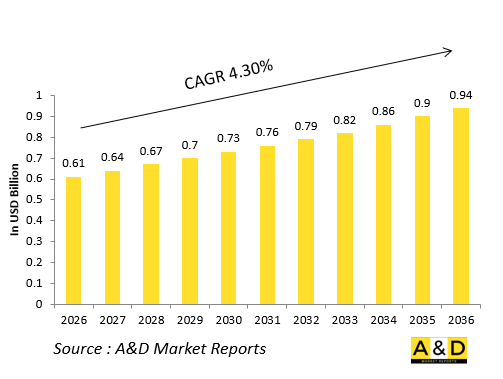
2026 年全球国防敌我识别应答器(询问器/应答器)市场规模估计为 6.1 亿美元,预计到 2036 年将达到 9.4 亿美元,在 2026 年至 2036 年的预测期内,复合年增长率为 4.30%。
1. 引言
防御型敌我辨识(IFF)应答器/询问器是一种电子系统,能够在衝突地区和拥挤环境中安全地、基于无线电的方式识别飞机、舰艇和地面平台。这些系统在专用军用频段运行,并采用标准化的模式和加密通讯协定。这使得主机平台能够区分友军、中立和敌方目标,从而降低空对空、空对地和地对空交战中误伤友军的风险。 2026年至2036年间,防御型敌我辨识应答器/询问器市场的发展将受到这些系统作为空域/战区控制基础层级持续依赖的影响。
现代敌我识别(IFF)系统日益整合到数位航空电子设备、作战电脑和战术资料链架构中,从而实现自动识别处理并与更广泛的情境察觉网路互通性。这些系统部署在战斗机、预警机、海军舰艇、地对空飞弹(SAM)部队和地面指挥中心,通常以模式4和模式5加密模式运作。随着作战空间日益网路化和竞争化,对能够在高度干扰环境和高强度电子战条件下保持可靠识别链路的强大、抗干扰和抗网路攻击的IFF终端的需求日益增长。这些特性使得IFF应答器/询问器成为数位战生态系的关键组成部分。
2. 科技对国防敌我辨识应答器(询问器/响应器)市场的影响
技术进步已将防御性敌我识别(IFF)系统从相对简单的固定模式无线电转变为智慧的、软体定义的、具备加密功能的识别节点。现代IFF应答器和询问器利用先进的数位讯号处理、多模波形支援和加密模组,能够准确、安全地回应识别查询,同时防御欺骗和虚假回应攻击。与作战电脑和战术资料链的集成,使得IFF衍生的识别资料能够与雷达航迹、航迹文件和电子战情报融合,从而提高情境察觉并减轻操作员的工作负荷。
增强的反拦截和低拦截机率 (LPI) 能力,包括自适应功率控制、频率捷变和安全询问通讯协定,提高了在拥挤的射频 (RF) 环境中的容错能力。增强的网路安全,包括强大的加密金钥管理、零信任认证和防篡改韧体,保护了身分识别资讯交换的完整性,并防止未授权存取代码集。小型化和低功耗使其能够部署在紧凑型机载吊舱、无人机和移动地面询问器中。开放式架构和模组化设计支援空中 (OTA) 更新和配置更改,减少了引入新模式或安全通讯协定时更换硬体的需求。这些创新提高了身分可靠性、互通性和生存能力,使敌我识别 (IFF) 系统成为数位战争架构中的核心节点。
3. 国防敌我识别应答器(询问器/响应器)市场的主要驱动因素
防御型敌我辨识应答器/询问器的市场需求源自于在不同平台和盟军之间维持安全、互通、即时辨识的需要。许多空军、海军和联合指挥机构依赖标准化的敌我识别模式来协调空战管理、空域控制和防空行动,这使得这些系统对于互通性和减少友军误伤至关重要。舰队现代化和延寿计画正在用支援现代加密方法和增强安全功能的软体定义加密应答器/询问器来取代传统的敌我识别硬体。
本报告深入分析了全球国防敌我识别应答器(询问器/响应器)市场,提供了影响该市场的技术资讯、未来 10 年的预测以及各区域市场的趋势。
目录
国防敌我识别应答器(询问器/响应器)市场报告定义
国防敌我识别应答器(询问器/应答器)的市场细分
按地区
按平台
询问器类型
按模式
透过现代化
未来十年国防敌我识别应答器(询问器/响应器)市场分析
国防敌我辨识应答器(询问器/应答器)的市场技术
全球防务敌我识别应答器(询问器/响应器)市场预测
区域防御敌我辨识应答器(询问器/响应器)市场趋势及预测
北美洲
促进因素、阻碍因素、挑战
害虫
市场预测与情境分析
主要企业
供应商等级
企业标竿管理
欧洲
中东
亚太地区
南美洲
对国防敌我识别应答器(询问器/响应器)市场进行国别分析。
我们
国防计划
最新消息
专利
该市场目前的技术成熟度水平
市场预测与情境分析
加拿大
义大利
法国
德国
荷兰
比利时
西班牙
瑞典
希腊
澳洲
南非
印度
中国
俄罗斯
韩国
日本
马来西亚
新加坡
巴西
国防敌我辨识应答器(询问器/响应器)市场机会矩阵
专家对国防敌我识别应答器(询问器/响应器)市场报告的意见
结论
关于航空航太和国防市场报告
Global Defense IFF Transponders (Interrogator/Reply) Market
The Global Defense IFF Transponders (Interrogator/Reply) Market is estimated at USD 0.61 billion in 2026, projected to grow to USD 0.94 billion by 2036 at a Compound Annual Growth Rate (CAGR) of 4.30% over the forecast period 2026-2036.
1. Introduction:
Defense Identification Friend or Foe (IFF) transponders and interrogators are electronic systems that enable secure, radio based identification of aircraft, naval vessels, and ground platforms in contested or congested environments. These systems operate in dedicated military frequency bands and implement standardized modes and crypto based protocols, allowing host platforms to distinguish between friendly, neutral, and hostile entities and reduce the risk of fratricide during air to air, air to surface, and surface to air engagements. Over the 2026-2036 horizon, the defense IFF transponder and interrogator market is being shaped by the continued reliance on these systems as a foundational layer of airspace and battlespace management.
Modern IFF systems are increasingly integrated into digital avionics, mission computers, and tactical data link architectures, enabling automatic identification processing and interoperability with broader situational awareness networks. They are embedded in fighters, airborne early warning platforms, naval combatants, SAM batteries, and ground based command nodes, often operating in Mode 4 and Mode 5 cryptographic modes. As the battlespace becomes more networked and contested, demand is growing for hardened, anti jamming, and cyber secure IFF terminals that can maintain reliable identification links in high interference and electronic warfare intense environments. These attributes position IFF transponders and interrogators as critical elements of the digital warfare ecosystem.
2. Technology Impact in Defense IFF Transponders (Interrogator/Reply) Market
Technology is transforming defense IFF systems from relatively simple, fixed mode radios into intelligent, software defined, crypto enabled identification nodes. Modern IFF transponders and interrogators leverage advanced digital signal processing, multi mode waveform support, and cryptographic modules to respond accurately and securely to identification queries while resisting spoofing and false return attacks. Integration with mission computers and tactical data links allows IFF derived identity data to be fused with radar tracks, track files, and electronic warfare cues, improving situational awareness and reducing operator workload.
Enhanced anti jamming and low probability of intercept features such as adaptive power control, frequency agility, and secure interrogation reply protocols improve resilience in congested RF environments. Cybersecurity enhancements, including strong cryptographic key management, zero trust style authentication, and tamper resistant firmware, protect the integrity of identification exchanges and prevent unauthorized access to code sets. Miniaturization and reduced power consumption are enabling deployment on compact airborne pods, UAVs, and mobile ground based interrogators. Open architecture and modular designs support over the air updates and configuration changes, reducing the need for hardware replacements when new modes or security protocols are introduced. These innovations collectively raise identification reliability, interoperability, and survivability, making IFF systems central nodes in the digital warfare architecture.
3. Key Drivers in Defense IFF Transponders (Interrogator/Reply) Market
The defense IFF transponder and interrogator market is driven by the need to maintain secure, interoperable, and real time identification across a heterogeneous mix of platforms and allied forces. Many air forces, navies, and joint command structures rely on standardized IFF modes to coordinate air battle management, airspace control, and air defense operations, making these systems essential for interoperability and fratricide mitigation. Fleet modernization and life extension programs are replacing legacy IFF hardware with software defined, crypto enabled transponders and interrogators that support modern cryptographic modes and enhanced security features.
Another key driver is the growing threat of electronic warfare, spoofing, and adversarial IFF emulation, which is pushing adoption of hardened, anti jamming, and cryptographically secure IFF terminals that can operate in high interference environments. The proliferation of unmanned systems and distributed sensors further increases demand for compact IFF compatible terminals that can identify and authenticate UAVs and other platforms within the battlespace. Interoperability requirements across allied forces encourage standardized IFF waveforms and procedures, enabling seamless participation in coalition exercises and joint operations. Safety related and mission critical applications, such as air defense command and control and airborne early warning operations, also reinforce demand for robust, multi mode, and fault tolerant IFF architectures. Together, these factors sustain strong growth in flexible, secure, and interoperable IFF transponder and interrogator solutions.
4. Regional Trends in Defense IFF Transponders (Interrogator/Reply) Market
Regionally, North America remains a leading hub for advanced IFF transponder and interrogator development, supported by large scale fighter, multi role, airborne early warning, and naval combat programs that emphasize secure, interoperable identification. The United States and its partners operate extensive IFF centric command and control structures, driving procurement of hardened, multi mode IFF terminals compatible with both legacy and digital networked operations.
In Europe, collaborative combat air and joint force initiatives are encouraging adoption of common IFF mode standards and cryptographic protocols, supporting interoperability and shared logistics across allied nations. The Asia Pacific region shows growing demand as several air forces and navies modernize their inventories and participate in multinational exercises that require IFF compatibility for joint air battle management and air defense coordination. Middle Eastern and Gulf states are investing in modernized fleets whose IFF systems must support both encrypted, resilient links and interoperability with a mix of Western and regional forces. Across these regions, there is a growing preference for modular, open architecture IFF transponders and interrogators that can be reused or upgraded across fixed wing, rotary wing, naval, and ground based platforms, alongside designs that minimize electromagnetic interference and spectrum management complexity.
5. Key Defense IFF Transponders (Interrogator/Reply) Market Program
Several flagship defense programs are shaping the IFF transponder and interrogator market over the 2026-2036 period. Next generation fighter and multi role combat air initiatives are specifying advanced IFF transponders that integrate tightly with digital mission computers and sensor fusion architectures, enabling secure, automated identification exchanges during complex joint force operations. Airborne early warning and control programs rely on robust IFF interrogators for coordinating large scale air combat operations, managing track identity, and disseminating fratricide mitigation cues across the force.
Naval aviation and carrier strike programs are equipping ships and carrier air wings with IFF transponders and interrogators that support fleet wide situational awareness and integrated air defense identification. Ground based air defense and command and control programs are investing in mobile IFF interrogators that enable seamless integration of air, surface, and land based units into a single identification network. Multinational and coalition level programs standardize IFF mode interfaces and cryptographic procedures, enabling shared training, exercises, and logistics support across partner nations. Through these programs, IFF transponders and interrogators are evolving from platform specific hardware units into integrated, interoperable nodes that underpin secure, real time identification and fratricide mitigation across the full spectrum of air, land, and sea operations.
Table of Contents
Defense IFF Transponders (Interrogator/Reply) Market - Table of Contents
Defense IFF Transponders (Interrogator/Reply) Market Report Definition
Defense IFF Transponders (Interrogator/Reply) Market Segmentation
By Region
By Platform
By Interrogator Type
By Mode
By Modernization
Defense IFF Transponders (Interrogator/Reply) Market Analysis for next 10 Years
The 10-year Defense IFF Transponders (Interrogator/Reply) Market analysis would give a detailed overview of Defense IFF Transponders (Interrogator/Reply) Market growth, changing dynamics, technology adoption overviews and the overall market attractiveness is covered in this chapter.
Market Technologies of Defense IFF Transponders (Interrogator/Reply) Market
This segment covers the top 10 technologies that is expected to impact this market and the possible implications these technologies would have on the overall market.
Global Defense IFF Transponders (Interrogator/Reply) Market Forecast
The 10-year Defense IFF Transponders (Interrogator/Reply) Market forecast of this market is covered in detailed across the segments which are mentioned above.
Regional Defense IFF Transponders (Interrogator/Reply) Market Trends & Forecast
The regional counter drone market trends, drivers, restraints and Challenges of this market, the Political, Economic, Social and Technology aspects are covered in this segment. The market forecast and scenario analysis across regions are also covered in detailed in this segment. The last part of the regional analysis includes profiling of the key companies, supplier landscape and company benchmarking. The current market size is estimated based on the normal scenario.
North America
Drivers, Restraints and Challenges
PEST
Market Forecast & Scenario Analysis
Key Companies
Supplier Tier Landscape
Company Benchmarking
Europe
Middle East
APAC
South America
Country Analysis of Defense IFF Transponders (Interrogator/Reply) Market
This chapter deals with the key defense programs in this market, it also covers the latest news and patents which have been filed in this market. Country level 10 year market forecast and scenario analysis are also covered in this chapter.
US
Defense Programs
Latest News
Patents
Current levels of technology maturation in this market
Market Forecast & Scenario Analysis
Canada
Italy
France
Germany
Netherlands
Belgium
Spain
Sweden
Greece
Australia
South Africa
India
China
Russia
South Korea
Japan
Malaysia
Singapore
Brazil
Opportunity Matrix for Defense IFF Transponders (Interrogator/Reply) Market
The opportunity matrix helps the readers understand the high opportunity segments in this market.
Expert Opinions on Defense IFF Transponders (Interrogator/Reply) Market Report
Hear from our experts their opinion of the possible analysis for this market.
Conclusions
About Aviation and Defense Market Reports
List of Tables
- Table 1: 10 Year Market Outlook, 2026-2036
- Table 2: Drivers, Impact Analysis, North America
- Table 3: Restraints, Impact Analysis, North America
- Table 4: Challenges, Impact Analysis, North America
- Table 5: Drivers, Impact Analysis, Europe
- Table 6: Restraints, Impact Analysis, Europe
- Table 7: Challenges, Impact Analysis, Europe
- Table 8: Drivers, Impact Analysis, Middle East
- Table 9: Restraints, Impact Analysis, Middle East
- Table 10: Challenges, Impact Analysis, Middle East
- Table 11: Drivers, Impact Analysis, APAC
- Table 12: Restraints, Impact Analysis, APAC
- Table 13: Challenges, Impact Analysis, APAC
- Table 14: Drivers, Impact Analysis, South America
- Table 15: Restraints, Impact Analysis, South America
- Table 16: Challenges, Impact Analysis, South America
- Table 17: Scenario Analysis, Scenario 1, By Region, 2026-2036
- Table 18: Scenario Analysis, Scenario 1, By Platform, 2026-2036
- Table 19: Scenario Analysis, Scenario 1, By Mode, 2026-2036
- Table 20: Scenario Analysis, Scenario 2, By Region, 2026-2036
- Table 21: Scenario Analysis, Scenario 2, By Platform, 2026-2036
- Table 22: Scenario Analysis, Scenario 2, By Mode, 2026-2036
List of Figures
- Figure 1: Global Defense IFF Transponders (Interrogator/Reply)Market Forecast, 2026-2036
- Figure 2: Global Defense IFF Transponders (Interrogator/Reply)Market Forecast, By Region, 2026-2036
- Figure 3: Global Defense IFF Transponders (Interrogator/Reply)Market Forecast, By Platform, 2026-2036
- Figure 4: Global Defense IFF Transponders (Interrogator/Reply)Market Forecast, By Mode, 2026-2036
- Figure 5: North America, Defense IFF Transponders (Interrogator/Reply)Market, Market Forecast, 2026-2036
- Figure 6: Europe, Defense IFF Transponders (Interrogator/Reply)Market, Market Forecast, 2026-2036
- Figure 7: Middle East, Defense IFF Transponders (Interrogator/Reply)Market, Market Forecast, 2026-2036
- Figure 8: APAC, Defense IFF Transponders (Interrogator/Reply)Market, Market Forecast, 2026-2036
- Figure 9: South America, Defense IFF Transponders (Interrogator/Reply)Market, Market Forecast, 2026-2036
- Figure 10: United States, Defense IFF Transponders (Interrogator/Reply)Market, Region Maturation, 2026-2036
- Figure 11: United States, Defense IFF Transponders (Interrogator/Reply)Market, Market Forecast, 2026-2036
- Figure 12: Canada, Defense IFF Transponders (Interrogator/Reply)Market, Region Maturation, 2026-2036
- Figure 13: Canada, Defense IFF Transponders (Interrogator/Reply)Market, Market Forecast, 2026-2036
- Figure 14: Italy, Defense IFF Transponders (Interrogator/Reply)Market, Region Maturation, 2026-2036
- Figure 15: Italy, Defense IFF Transponders (Interrogator/Reply)Market, Market Forecast, 2026-2036
- Figure 16: France, Defense IFF Transponders (Interrogator/Reply)Market, Region Maturation, 2026-2036
- Figure 17: France, Defense IFF Transponders (Interrogator/Reply)Market, Market Forecast, 2026-2036
- Figure 18: Germany, Defense IFF Transponders (Interrogator/Reply)Market, Region Maturation, 2026-2036
- Figure 19: Germany, Defense IFF Transponders (Interrogator/Reply)Market, Market Forecast, 2026-2036
- Figure 20: Netherlands, Defense IFF Transponders (Interrogator/Reply)Market, Region Maturation, 2026-2036
- Figure 21: Netherlands, Defense IFF Transponders (Interrogator/Reply)Market, Market Forecast, 2026-2036
- Figure 22: Belgium, Defense IFF Transponders (Interrogator/Reply)Market, Region Maturation, 2026-2036
- Figure 23: Belgium, Defense IFF Transponders (Interrogator/Reply)Market, Market Forecast, 2026-2036
- Figure 24: Spain, Defense IFF Transponders (Interrogator/Reply)Market, Region Maturation, 2026-2036
- Figure 25: Spain, Defense IFF Transponders (Interrogator/Reply)Market, Market Forecast, 2026-2036
- Figure 26: Sweden, Defense IFF Transponders (Interrogator/Reply)Market, Region Maturation, 2026-2036
- Figure 27: Sweden, Defense IFF Transponders (Interrogator/Reply)Market, Market Forecast, 2026-2036
- Figure 28: Brazil, Defense IFF Transponders (Interrogator/Reply)Market, Region Maturation, 2026-2036
- Figure 29: Brazil, Defense IFF Transponders (Interrogator/Reply)Market, Market Forecast, 2026-2036
- Figure 30: Australia, Defense IFF Transponders (Interrogator/Reply)Market, Region Maturation, 2026-2036
- Figure 31: Australia, Defense IFF Transponders (Interrogator/Reply)Market, Market Forecast, 2026-2036
- Figure 32: India, Defense IFF Transponders (Interrogator/Reply)Market, Region Maturation, 2026-2036
- Figure 33: India, Defense IFF Transponders (Interrogator/Reply)Market, Market Forecast, 2026-2036
- Figure 34: China, Defense IFF Transponders (Interrogator/Reply)Market, Region Maturation, 2026-2036
- Figure 35: China, Defense IFF Transponders (Interrogator/Reply)Market, Market Forecast, 2026-2036
- Figure 36: Saudi Arabia, Defense IFF Transponders (Interrogator/Reply)Market, Region Maturation, 2026-2036
- Figure 37: Saudi Arabia, Defense IFF Transponders (Interrogator/Reply)Market, Market Forecast, 2026-2036
- Figure 38: South Korea, Defense IFF Transponders (Interrogator/Reply)Market, Region Maturation, 2026-2036
- Figure 39: South Korea, Defense IFF Transponders (Interrogator/Reply)Market, Market Forecast, 2026-2036
- Figure 40: Japan, Defense IFF Transponders (Interrogator/Reply)Market, Region Maturation, 2026-2036
- Figure 41: Japan, Defense IFF Transponders (Interrogator/Reply)Market, Market Forecast, 2026-2036
- Figure 42: Malaysia, Defense IFF Transponders (Interrogator/Reply)Market, Region Maturation, 2026-2036
- Figure 43: Malaysia, Defense IFF Transponders (Interrogator/Reply)Market, Market Forecast, 2026-2036
- Figure 44: Singapore, Defense IFF Transponders (Interrogator/Reply)Market, Region Maturation, 2026-2036
- Figure 45: Singapore, Defense IFF Transponders (Interrogator/Reply)Market, Market Forecast, 2026-2036
- Figure 46: United Kingdom, Defense IFF Transponders (Interrogator/Reply)Market, Region Maturation, 2026-2036
- Figure 47: United Kingdom, Defense IFF Transponders (Interrogator/Reply)Market, Market Forecast, 2026-2036
- Figure 48: Opportunity Analysis, Defense IFF Transponders (Interrogator/Reply)Market, By Region (Cumulative Market), 2026-2036
- Figure 49: Opportunity Analysis, Defense IFF Transponders (Interrogator/Reply)Market, By Region (CAGR), 2026-2036
- Figure 50: Opportunity Analysis, Defense IFF Transponders (Interrogator/Reply)Market, By Platform (Cumulative Market), 2026-2036
- Figure 51: Opportunity Analysis, Defense IFF Transponders (Interrogator/Reply)Market, By Platform (CAGR), 2026-2036
- Figure 52: Opportunity Analysis, Defense IFF Transponders (Interrogator/Reply)Market, By Mode(Cumulative Market), 2026-2036
- Figure 53: Opportunity Analysis, Defense IFF Transponders (Interrogator/Reply)Market, By Mode(CAGR), 2026-2036
- Figure 54: Scenario Analysis, Defense IFF Transponders (Interrogator/Reply)Market, Cumulative Market, 2026-2036
- Figure 55: Scenario Analysis, Defense IFF Transponders (Interrogator/Reply)Market, Global Market, 2026-2036
- Figure 56: Scenario 1, Defense IFF Transponders (Interrogator/Reply)Market, Total Market, 2026-2036
- Figure 57: Scenario 1, Defense IFF Transponders (Interrogator/Reply)Market, By Region, 2026-2036
- Figure 58: Scenario 1, Defense IFF Transponders (Interrogator/Reply)Market, By Platform, 2026-2036
- Figure 59: Scenario 1, Defense IFF Transponders (Interrogator/Reply)Market, By Mode, 2026-2036
- Figure 60: Scenario 2, Defense IFF Transponders (Interrogator/Reply)Market, Total Market, 2026-2036
- Figure 61: Scenario 2, Defense IFF Transponders (Interrogator/Reply)Market, By Region, 2026-2036
- Figure 62: Scenario 2, Defense IFF Transponders (Interrogator/Reply)Market, By Platform, 2026-2036
- Figure 63: Scenario 2, Defense IFF Transponders (Interrogator/Reply)Market, By Mode, 2026-2036
- Figure 64: Company Benchmark, Defense IFF Transponders (Interrogator/Reply)Market, 2026-2036

