


 |
市场调查报告书
商品编码
2021200
全球反战车和反步兵地雷市场:2026-2036年Global Anti- Tank & Anti-Personnel Mines Market 2026-2036 |
||||||

全球防御性反战车和反步兵地雷市场
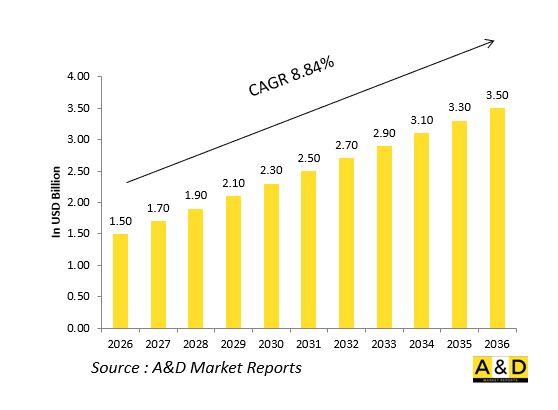
2026 年全球防御性反战车和反人员地雷市场规模估计为 15 亿美元,预计在 2026 年至 2036 年的预测期内将以 8.84% 的复合年增长率增长,到 2036 年达到 35 亿美元。
1. 引言:
全球防御性反战车和反步兵地雷市场仍是地面作战能力中一个微妙但又具有重要战略意义的领域。这些系统旨在限制敌方行动、保护防御阵地,并在衝突地区建立可控制屏障。儘管其使用受国际法规和人道主义考量的约束,但一些国家的军队仍在出于防御目的维护和发展这些系统。反战车地雷主要用于对抗装甲车辆,而反步兵地雷则旨在阻止或干扰步兵行动。地面作战性质的改变以及对区域拒止策略日益重视,推动了人们对这些系统的持续关注。此外,安全机制和可控部署方法的进步也正在塑造其发展方向。各国政府在作战需求与国际合规性和伦理考量之间寻求平衡。因此,该市场既受到防御需求的影响,也受到区域法律规范的影响。
2. 技术对防御反战车和反人员地雷市场的影响。
以安全性、可控性和合规性为重点的技术进步,正显着影响反战车和反步兵地雷的设计和部署。现代系统融合了惰性中和功能,以降低长期风险并符合国际法规。改进的传感器技术实现了更精确的运行机制,使地雷能够针对特定目标做出反应,同时最大限度地减少意外后果。与远端监控系统的整合增强了监控能力和部署柔软性。此外,材料和製造工艺的进步提高了地雷在各种环境条件下的耐久性和可靠性。目前,人们也在研究能够在实现类似防御目标的同时减少人道主义影响的替代方案。数位技术有助于追踪和管理已部署的系统,从而提高课责和作战计画的准确性。这些创新正在重塑市场格局,既满足了军事需求,也兼顾了伦理考量。
3. 国防反战车和反人员地雷市场的主要驱动因素
防御性反战车和反人员地雷市场的成长是由战略、作战和监管等诸多因素相互作用所驱动的。其中一个主要驱动因素是地面军事行动中对有效区域封锁和部队保护的持续需求。这些系统用于确保边境安全、保护关键基础设施以及支援衝突地区的防御战略。日益加剧的地缘政治紧张局势和地区衝突促使一些国家维护并升级其地雷战能力。此外,加强战场控制和延缓敌方行动的重视也推动了市场需求。然而,国际条约和人道关切也影响市场动态,促进了更安全、更易于控制系统的开发。国防现代化计画支援采用符合合规要求的先进技术。这些因素共同塑造了市场,在作战效能与法律和道德责任之间取得平衡。
4. 国防用反战车和反人员地雷市场的区域趋势
由于法律规范、安全考量和防御战略的差异,防御反战车和反人员地雷市场的区域趋势差异显着。北美和欧洲深受限制使用某些类型地雷的国际协议的影响,因此更加关注符合监管规定的替代系统。相较之下,由于持续存在的边界纠纷和安全挑战,亚太地区的部分国家仍然优先考虑地面防御能力。这些地区的国家可能会投资于先进的、可控的地雷系统,作为其防御策略的一部分。中东地区也出现了由区域衝突和对区域拒止能力的需求所驱动的需求。新兴经济体正在寻求在满足国防需求与遵守国际法规之间取得平衡。在所有地区,人们都越来越重视开发更安全的技术,并改善监控和控制系统,以在维持作战效能的同时解决人道主义问题。
5. 国防领域的主要反战车和反人员地雷市场项目
国防反战车和反人员地雷市场的关键项目着重于提升安全性、合规性和运作管理。各国政府和国防机构正投资研发下一代系统,这些系统融合了先进的安全特性和可控的操作机制。这些项目通常涉及国防相关企业、研究机构和监管机构之间的合作,以确保符合国际标准。自惰性、远端监控和精确瞄准等技术备受重视。现代化改造也旨在用更安全、更可靠的替代方案取代老旧系统。此外,各方也在努力改进追踪、记录和清除流程,以降低长期风险。研发计画正在探索创新解决方案,以期在有效封锁区域的同时,最大限度地减少对人道主义的影响。这些努力对于平衡国防需求与全球监管和伦理期望至关重要。
目录
反战车和反步兵地雷市场 - 目录
反战车和反人员地雷市场报告的定义
反战车和反步兵地雷市场细分
透过使用
按类型
按地区
未来十年反战车和反步兵地雷市场分析
本章详细分析了过去十年反战车和反人员地雷市场,说明了其成长、发展趋势、技术进步和整体市场吸引力。
反战车和反步兵地雷的市场技术
本节将说明预计将对该市场产生影响的十大技术及其对整个市场的潜在影响。
全球反战车和反步兵地雷市场预测
上述各细分市场对未来 10 年反战车和反人员地雷的市场预测进行了全面涵盖。
反战车和反人员地雷市场的区域趋势和预测。
本节说明反战车和反步兵地雷市场的区域趋势、驱动因素、限制、挑战以及政治、经济、社会和技术方面的问题。此外,本节也提供详细的区域市场预测和情境分析。区域分析的最后一部分涵盖主要企业概况、供应商格局和公司基准。目前市场规模是基于典型情境估算的。
北美洲
促进因素、阻碍因素和挑战
害虫
市场预测与情境分析
主要企业
供应商层级状态
企业标竿管理
欧洲
中东
亚太地区
南美洲
对反战车和反步兵地雷市场进行国别分析。
本章将说明该市场的主要国防项目,以及该市场的最新新闻和专利申请。此外,还将说明针对特定国家的十年市场预测和情境分析。
我们
国防计划
最新消息
专利
该市场目前的技术成熟度水平
市场预测与情境分析
加拿大
义大利
法国
德国
荷兰
比利时
西班牙
瑞典
希腊
澳洲
南非
印度
中国
俄罗斯
韩国
日本
马来西亚
新加坡
巴西
反战车和反人员地雷市场的机会矩阵
机会矩阵帮助读者了解该市场中具有高机会的细分市场。
专家对反战车和反人员地雷市场报告的意见
我们总结了专家们对该市场分析潜力的意见。
结论
关于航空航太和国防市场报告
Global Defense Anti- Tank & Anti-Personnel Mines Market
The Global Defense Anti- Tank & Anti-Personnel Mines Market is estimated at USD 1.50 billion in 2026, projected to grow to USD 3.50 billion by 2036 at a Compound Annual Growth Rate (CAGR) of 8.84% over the forecast period 2026-2036
1. Introduction:
The global defense anti-tank and anti-personnel mines market remains a sensitive yet strategically significant segment within land warfare capabilities. These systems are designed to restrict enemy movement, protect defensive positions, and create controlled barriers in conflict zones. While their use is subject to international regulations and humanitarian considerations, certain military forces continue to maintain and develop such systems for defensive purposes. Anti-tank mines are primarily used against armored vehicles, whereas anti-personnel mines are intended to deter or disrupt infantry movement. The evolving nature of ground combat and the emphasis on area denial strategies contribute to ongoing interest in these systems. Additionally, advancements in safety mechanisms and controlled deployment methods are shaping their development. Governments are balancing operational requirements with international compliance and ethical considerations. As a result, the market is influenced by both defense needs and regulatory frameworks across different regions.
2. Technology Impact in Defense Anti-Tank and Anti-Personnel Mines Market
Technological advancements are significantly influencing the design and deployment of anti-tank and anti-personnel mines, with a strong focus on safety, control, and compliance. Modern systems are incorporating self-deactivation and self-neutralization features to reduce long-term risks and align with international regulations. Improvements in sensor technology are enabling more precise activation mechanisms, allowing mines to respond to specific targets while minimizing unintended effects. Integration with remote monitoring and control systems is providing greater oversight and flexibility in deployment. Additionally, advancements in materials and manufacturing processes are enhancing durability and reliability under various environmental conditions. Research is also being conducted on alternatives that can achieve similar defensive objectives with reduced humanitarian impact. Digital technologies are supporting better tracking and management of deployed systems, improving accountability and operational planning. These innovations are reshaping the market by addressing both military requirements and ethical considerations.
3. Key Drivers in Defense Anti-Tank and Anti-Personnel Mines Market
The growth of the defense anti-tank and anti-personnel mines market is driven by a combination of strategic, operational, and regulatory factors. One of the primary drivers is the continued need for effective area denial and force protection in ground-based military operations. These systems are used to secure borders, protect critical infrastructure, and support defensive strategies in conflict zones. Rising geopolitical tensions and regional conflicts are prompting some nations to maintain or modernize their mine capabilities. Additionally, the focus on enhancing battlefield control and delaying enemy movement is contributing to demand. However, international treaties and humanitarian concerns are also influencing market dynamics, encouraging the development of safer and more controlled systems. Defense modernization programs are supporting the adoption of advanced technologies that align with compliance requirements. These factors collectively shape the market, balancing operational effectiveness with legal and ethical responsibilities.
4. Regional Trends in Defense Anti-Tank and Anti-Personnel Mines Market
Regional trends in the defense anti-tank and anti-personnel mines market vary significantly due to differing regulatory frameworks, security concerns, and defense strategies. North America and Europe are largely influenced by international agreements that restrict the use of certain types of mines, leading to a focus on compliant and alternative systems. In contrast, some regions in Asia-Pacific continue to prioritize land defense capabilities due to ongoing border tensions and security challenges. Countries in these areas may invest in advanced and controlled mine systems as part of their defensive strategies. The Middle East also presents demand driven by regional conflicts and the need for area denial capabilities. Emerging economies are navigating a balance between defense requirements and international compliance. Across all regions, there is a growing emphasis on developing safer technologies and improving monitoring and management systems to address humanitarian concerns while maintaining operational effectiveness.
5. Key Defense Anti-Tank and Anti-Personnel Mines Market Program
Key programs in the defense anti-tank and anti-personnel mines market are focused on enhancing safety, compliance, and operational control. Governments and defense organizations are investing in the development of next-generation systems that incorporate advanced safety features and controlled activation mechanisms. These programs often involve collaboration between defense contractors, research institutions, and regulatory bodies to ensure alignment with international standards. Emphasis is placed on technologies such as self-deactivation, remote monitoring, and precise targeting capabilities. Modernization initiatives are also aimed at replacing legacy systems with safer and more reliable alternatives. Additionally, efforts are being made to improve tracking, documentation, and clearance processes to reduce long-term risks. Research and development programs are exploring innovative solutions that can provide effective area denial while minimizing humanitarian impact. These initiatives are essential for balancing defense needs with global regulatory and ethical expectations.
Table of Contents
Anti-Tank & Anti-Personnel Mines Market - Table of Contents
Anti-Tank & Anti-Personnel Mines Market Report Definition
Anti-Tank & Anti-Personnel Mines Market Segmentation
By Application
By Type
By Region
Anti-Tank & Anti-Personnel Mines Market Analysis for next 10 Years
The 10-year anti-tank and anti-personnel mines market analysis would give a detailed overview of anti-tank and anti-personnel mines market growth, changing dynamics, technology adoption overviews and the overall market attractiveness is covered in this chapter.
Market Technologies of Anti-Tank & Anti-Personnel Mines Market
This segment covers the top 10 technologies that is expected to impact this market and the possible implications these technologies would have on the overall market.
Global Anti-Tank & Anti-Personnel Mines Market Forecast
The 10-year anti-tank and anti-personnel mines market forecast of this market is covered in detailed across the segments which are mentioned above.
Regional Anti-Tank & Anti-Personnel Mines Market Trends & Forecast
The regional anti-tank & anti-personnel mines market trends, drivers, restraints and Challenges of this market, the Political, Economic, Social and Technology aspects are covered in this segment. The market forecast and scenario analysis across regions are also covered in detailed in this segment. The last part of the regional analysis includes profiling of the key companies, supplier landscape and company benchmarking. The current market size is estimated based on the normal scenario.
North America
Drivers, Restraints and Challenges
PEST
Market Forecast & Scenario Analysis
Key Companies
Supplier Tier Landscape
Company Benchmarking
Europe
Middle East
APAC
South America
Country Analysis of Anti-Tank & Anti-Personnel Mines Market
This chapter deals with the key defense programs in this market, it also covers the latest news and patents which have been filed in this market. Country level 10 year market forecast and scenario analysis are also covered in this chapter.
US
Defense Programs
Latest News
Patents
Current levels of technology maturation in this market
Market Forecast & Scenario Analysis
Canada
Italy
France
Germany
Netherlands
Belgium
Spain
Sweden
Greece
Australia
South Africa
India
China
Russia
South Korea
Japan
Malaysia
Singapore
Brazil
Opportunity Matrix for Anti-Tank & Anti-Personnel Mines Market
The opportunity matrix helps the readers understand the high opportunity segments in this market.
Expert Opinions on Anti-Tank & Anti-Personnel Mines Market Report
Hear from our experts their opinion of the possible analysis for this market.
Conclusions
About Aviation and Defense Market Reports
List of Tables
- Table 1: 10 Year Market Outlook, 2026-2036
- Table 2: Drivers, Impact Analysis, North America
- Table 3: Restraints, Impact Analysis, North America
- Table 4: Challenges, Impact Analysis, North America
- Table 5: Drivers, Impact Analysis, Europe
- Table 6: Restraints, Impact Analysis, Europe
- Table 7: Challenges, Impact Analysis, Europe
- Table 8: Drivers, Impact Analysis, Middle East
- Table 9: Restraints, Impact Analysis, Middle East
- Table 10: Challenges, Impact Analysis, Middle East
- Table 11: Drivers, Impact Analysis, APAC
- Table 12: Restraints, Impact Analysis, APAC
- Table 13: Challenges, Impact Analysis, APAC
- Table 14: Drivers, Impact Analysis, South America
- Table 15: Restraints, Impact Analysis, South America
- Table 16: Challenges, Impact Analysis, South America
- Table 17: Scenario Analysis, Scenario 1, By Region, 2026-2036
- Table 18: Scenario Analysis, Scenario 1, By Type, 2026-2036
- Table 19: Scenario Analysis, Scenario 1, By Application, 2026-2036
- Table 20: Scenario Analysis, Scenario 2, By Region, 2026-2036
- Table 21: Scenario Analysis, Scenario 2, By Type, 2026-2036
- Table 22: Scenario Analysis, Scenario 2, By Application, 2026-2036
List of Figures
- Figure 1: Global Defense Anti-Tank & Anti-Personnel Mines Market Forecast, 2026-2036
- Figure 2: Global Defense Anti-Tank & Anti-Personnel Mines Market Forecast, By Region, 2026-2036
- Figure 3: Global Defense Anti-Tank & Anti-Personnel Mines Market Forecast, By Type, 2026-2036
- Figure 4: Global Defense Anti-Tank & Anti-Personnel Mines Market Forecast, By Application, 2026-2036
- Figure 5: North America, Defense Anti-Tank & Anti-Personnel Mines Market , Market Forecast, 2026-2036
- Figure 6: Europe, Defense Anti-Tank & Anti-Personnel Mines Market , Market Forecast, 2026-2036
- Figure 7: Middle East, Defense Anti-Tank & Anti-Personnel Mines Market , Market Forecast, 2026-2036
- Figure 8: APAC, Defense Anti-Tank & Anti-Personnel Mines Market , Market Forecast, 2026-2036
- Figure 9: South America, Defense Anti-Tank & Anti-Personnel Mines Market , Market Forecast, 2026-2036
- Figure 10: United States, Defense Anti-Tank & Anti-Personnel Mines Market , Region Maturation, 2026-2036
- Figure 11: United States, Defense Anti-Tank & Anti-Personnel Mines Market , Market Forecast, 2026-2036
- Figure 12: Canada, Defense Anti-Tank & Anti-Personnel Mines Market , Region Maturation, 2026-2036
- Figure 13: Canada, Defense Anti-Tank & Anti-Personnel Mines Market , Market Forecast, 2026-2036
- Figure 14: Italy, Defense Anti-Tank & Anti-Personnel Mines Market , Region Maturation, 2026-2036
- Figure 15: Italy, Defense Anti-Tank & Anti-Personnel Mines Market , Market Forecast, 2026-2036
- Figure 16: France, Defense Anti-Tank & Anti-Personnel Mines Market , Region Maturation, 2026-2036
- Figure 17: France, Defense Anti-Tank & Anti-Personnel Mines Market , Market Forecast, 2026-2036
- Figure 18: Germany, Defense Anti-Tank & Anti-Personnel Mines Market , Region Maturation, 2026-2036
- Figure 19: Germany, Defense Anti-Tank & Anti-Personnel Mines Market , Market Forecast, 2026-2036
- Figure 20: Netherlands, Defense Anti-Tank & Anti-Personnel Mines Market , Region Maturation, 2026-2036
- Figure 21: Netherlands, Defense Anti-Tank & Anti-Personnel Mines Market , Market Forecast, 2026-2036
- Figure 22: Belgium, Defense Anti-Tank & Anti-Personnel Mines Market , Region Maturation, 2026-2036
- Figure 23: Belgium, Defense Anti-Tank & Anti-Personnel Mines Market , Market Forecast, 2026-2036
- Figure 24: Spain, Defense Anti-Tank & Anti-Personnel Mines Market , Region Maturation, 2026-2036
- Figure 25: Spain, Defense Anti-Tank & Anti-Personnel Mines Market , Market Forecast, 2026-2036
- Figure 26: Sweden, Defense Anti-Tank & Anti-Personnel Mines Market , Region Maturation, 2026-2036
- Figure 27: Sweden, Defense Anti-Tank & Anti-Personnel Mines Market , Market Forecast, 2026-2036
- Figure 28: Brazil, Defense Anti-Tank & Anti-Personnel Mines Market , Region Maturation, 2026-2036
- Figure 29: Brazil, Defense Anti-Tank & Anti-Personnel Mines Market , Market Forecast, 2026-2036
- Figure 30: Australia, Defense Anti-Tank & Anti-Personnel Mines Market , Region Maturation, 2026-2036
- Figure 31: Australia, Defense Anti-Tank & Anti-Personnel Mines Market , Market Forecast, 2026-2036
- Figure 32: India, Defense Anti-Tank & Anti-Personnel Mines Market , Region Maturation, 2026-2036
- Figure 33: India, Defense Anti-Tank & Anti-Personnel Mines Market , Market Forecast, 2026-2036
- Figure 34: China, Defense Anti-Tank & Anti-Personnel Mines Market , Region Maturation, 2026-2036
- Figure 35: China, Defense Anti-Tank & Anti-Personnel Mines Market , Market Forecast, 2026-2036
- Figure 36: Saudi Arabia, Defense Anti-Tank & Anti-Personnel Mines Market , Region Maturation, 2026-2036
- Figure 37: Saudi Arabia, Defense Anti-Tank & Anti-Personnel Mines Market , Market Forecast, 2026-2036
- Figure 38: South Korea, Defense Anti-Tank & Anti-Personnel Mines Market , Region Maturation, 2026-2036
- Figure 39: South Korea, Defense Anti-Tank & Anti-Personnel Mines Market , Market Forecast, 2026-2036
- Figure 40: Japan, Defense Anti-Tank & Anti-Personnel Mines Market , Region Maturation, 2026-2036
- Figure 41: Japan, Defense Anti-Tank & Anti-Personnel Mines Market , Market Forecast, 2026-2036
- Figure 42: Malaysia, Defense Anti-Tank & Anti-Personnel Mines Market , Region Maturation, 2026-2036
- Figure 43: Malaysia, Defense Anti-Tank & Anti-Personnel Mines Market , Market Forecast, 2026-2036
- Figure 44: Singapore, Defense Anti-Tank & Anti-Personnel Mines Market , Region Maturation, 2026-2036
- Figure 45: Singapore, Defense Anti-Tank & Anti-Personnel Mines Market , Market Forecast, 2026-2036
- Figure 46: United Kingdom, Defense Anti-Tank & Anti-Personnel Mines Market , Region Maturation, 2026-2036
- Figure 47: United Kingdom, Defense Anti-Tank & Anti-Personnel Mines Market , Market Forecast, 2026-2036
- Figure 48: Opportunity Analysis, Defense Anti-Tank & Anti-Personnel Mines Market , By Region (Cumulative Market), 2026-2036
- Figure 49: Opportunity Analysis, Defense Anti-Tank & Anti-Personnel Mines Market , By Region (CAGR), 2026-2036
- Figure 50: Opportunity Analysis, Defense Anti-Tank & Anti-Personnel Mines Market , By Type(Cumulative Market), 2026-2036
- Figure 51: Opportunity Analysis, Defense Anti-Tank & Anti-Personnel Mines Market , By Type(CAGR), 2026-2036
- Figure 52: Opportunity Analysis, Defense Anti-Tank & Anti-Personnel Mines Market , By Application(Cumulative Market), 2026-2036
- Figure 53: Opportunity Analysis, Defense Anti-Tank & Anti-Personnel Mines Market , By Application(CAGR), 2026-2036
- Figure 54: Scenario Analysis, Defense Anti-Tank & Anti-Personnel Mines Market , Cumulative Market, 2026-2036
- Figure 55: Scenario Analysis, Defense Anti-Tank & Anti-Personnel Mines Market , Global Market, 2026-2036
- Figure 56: Scenario 1, Defense Anti-Tank & Anti-Personnel Mines Market , Total Market, 2026-2036
- Figure 57: Scenario 1, Defense Anti-Tank & Anti-Personnel Mines Market , By Region, 2026-2036
- Figure 58: Scenario 1, Defense Anti-Tank & Anti-Personnel Mines Market , By Type, 2026-2036
- Figure 59: Scenario 1, Defense Anti-Tank & Anti-Personnel Mines Market , By Application, 2026-2036
- Figure 60: Scenario 2, Defense Anti-Tank & Anti-Personnel Mines Market , Total Market, 2026-2036
- Figure 61: Scenario 2, Defense Anti-Tank & Anti-Personnel Mines Market , By Region, 2026-2036
- Figure 62: Scenario 2, Defense Anti-Tank & Anti-Personnel Mines Market , By Type, 2026-2036
- Figure 63: Scenario 2, Defense Anti-Tank & Anti-Personnel Mines Market , By Application, 2026-2036
- Figure 64: Company Benchmark, Defense Anti-Tank & Anti-Personnel Mines Market , 2026-2036


