


 |
市场调查报告书
商品编码
2023784
全球防爆市场:2026-2036年Global Blast Protection Market 2026-2036 |
||||||

全球防爆市场
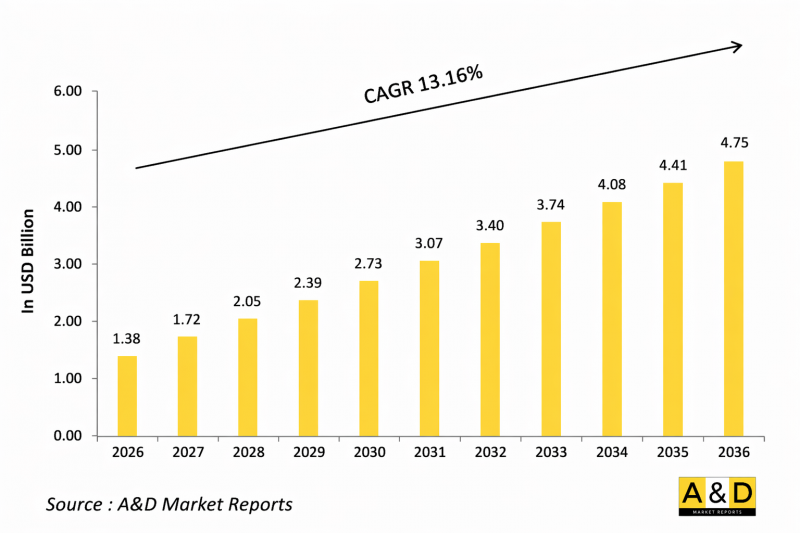
全球防爆市场预计到 2026 年将达到 13.8 亿美元,预计在 2026 年至 2036 年的预测期内将以 13.16% 的复合年增长率增长,到 2036 年将达到 47.5 亿美元。
1. 引言
全球防爆市场是国防和安全产业的重要组成部分,专注于旨在保护人员、基础设施和设备免受爆炸威胁的技术和解决方案。防爆系统广泛应用于军事基地、装甲车辆、关键基础设施和高风险城市环境。这些解决方案旨在吸收和减轻爆炸的影响,从而减少损失并提高生存率。非对称战争和恐怖活动的日益频繁地推动了对先进防爆技术的需求。世界各国政府和国防机构都在投资防爆系统,以确保相关人员和人民的安全。保护政府大楼、交通枢纽和工业设施等关键基础设施的需求也在影响市场。随着威胁的不断演变,可靠且有效的防爆解决方案在军事和民用领域的重要性日益凸显。
2. 科技对全球防爆市场的影响
技术进步显着提升了防爆系统的性能。复合结构、高强度合金和能量吸收器等尖端材料的研发,增强了系统对爆炸衝击的抵抗力。结构工程技术也日臻完善,使得建筑物和车辆的设计能够承受高强度爆炸衝击,同时最大限度地减少结构损伤。模拟和建模技术能够对爆炸效应进行精确分析,进而发展出更有效的防护方案。此外,智慧材料和自适应系统的研究也在不断推进,以动态应对威胁等级的变化。与监测系统和感测器的集成,可以即时评估结构的完整性和潜在脆弱性。这些技术进步不仅提高了防爆的有效性,也带来了更有效率、更经济的解决方案。因此,市场正持续创新,旨在应对新出现的威胁并提升整体安全性。
3. 全球防爆市场的主要市场驱动因素
全球防爆市场的发展主要受军事和民用领域日益增长的爆炸威胁防护需求所驱动。地缘政治紧张局势加剧和恐怖攻击事件增加是推动市场成长的主要因素。各国政府将关键基础设施的保护列为优先事项,进而增加对先进防护解决方案的投资。提高衝突地区军事人员的安全需求是推动先进防爆技术应用的另一个重要因素。此外,都市化和高价值基础设施的建设也增加了对防护措施的需求。监管标准和安全指南也在影响各领域防爆系统的部署。同时,材料和工程技术的进步也使这些解决方案更有效率且方便。所有这些因素共同推动了全球防爆市场的扩张。
4. 全球防爆市场区域趋势
全球防爆市场的区域趋势受安全挑战、基础设施建设和国防优先事项的驱动。北美地区因其对国防安全保障和基础设施保护的重视,仍是主要市场。在欧洲,为应对不断演变的安全威胁,采用先进的安全标准和防护技术备受关注。亚太地区由于国防投资增加和城市快速发展,需求正在增加。在中东,持续的衝突和高安全风险推动了对防爆解决方案投资的增加。在拉丁美洲和非洲,这些技术正逐步被采用,以增强基础设施韧性并改善公共。这些区域趋势凸显了防爆系统应用的多样性,每个地区都专注于自身独特的需求和挑战,以确保有效抵御爆炸威胁。
5. 全球防爆市场的主要项目
全球防爆市场领先专案专注于为军事和民用领域开发和部署先进的防护解决方案。各国政府和国防机构正大力投资旨在增强关键基础设施和军事资产韧性的各项措施。这些专案通常涉及与工程和材料科学公司合作,共同开发创新解决方案。本计画强调整合尖端材料、结构加固技术和监测系统,以提升防护能力。许多项目也致力于维修现有结构,使其符合现代安全标准。此外,研究倡议正在探索智慧材料和自适应系统等新技术,以增强抗爆性能。这些项目在应对新出现的威胁、保障人员和基础设施安全方面发挥着至关重要的作用。随着安全挑战的不断演变,持续投资防爆专案对于维持韧性和紧急准备至关重要。
目录
防爆市场 - 目录
防爆市场定义
防爆市场细分
按类型
按地区
透过使用
十年市场展望
本章详细概述了未来 10 年的市场前景,包括发展趋势、技术采用概述以及市场吸引力。
市场技术
本节将说明预计将对该市场产生影响的十大技术及其对整个市场的潜在影响。
全球市场预测
上述各细分市场对该市场未来 10 年的市场预测进行了详细说明。
区域市场趋势与预测
本部分将说明区域市场趋势、驱动因素、限制、挑战以及政治、经济、社会和技术因素。此外,也将提供各区域的详细市场预测和情境分析。区域分析的最后一部分将涵盖主要企业概况、供应商格局和公司标竿分析。
北美洲
促进因素、阻碍因素、挑战
害虫
市场预测与情境分析
主要企业
供应商层级状态
企业标竿管理
欧洲
中东
亚太地区
南美洲
国别分析
本章将说明该市场的主要国防项目,以及该市场的最新新闻和专利申请。此外,还将说明针对特定国家的十年市场预测和情境分析。
我们
国防计划
最新消息
专利
该市场目前的技术成熟度水平
市场预测与情境分析
加拿大
义大利
法国
德国
荷兰
比利时
西班牙
瑞典
希腊
澳洲
南非
印度
中国
俄罗斯
韩国
日本
马来西亚
新加坡
巴西
机会矩阵
机会矩阵帮助读者了解该市场中具有高机会的细分市场。
专家意见
本文总结了专家们对该市场未来前景的看法。
结论
关于航空航太和国防市场报告
Global Blast Protection Market
The Global Blast Protection Market is estimated at USD 1.38 billion in 2026, projected to grow to USD 4.75 billion by 2036 at a Compound Annual Growth Rate (CAGR) of 13.16% over the forecast period 2026-2036.
1. Introduction
The Global Blast Protection Market is a vital segment within the defense and security industry, focusing on technologies and solutions designed to safeguard personnel, infrastructure, and equipment from explosive threats. Blast protection systems are widely used in military bases, armored vehicles, critical infrastructure, and high-risk urban environments. These solutions are engineered to absorb and mitigate the impact of explosions, reducing damage and enhancing survivability. The increasing prevalence of asymmetric warfare and terrorist activities has heightened the demand for advanced blast protection technologies. Governments and defense organizations are investing in protective systems to ensure the safety of military personnel and civilians. The market is also influenced by the need to protect critical infrastructure such as government buildings, transportation hubs, and industrial facilities. As threats continue to evolve, the importance of reliable and effective blast protection solutions is becoming increasingly significant across both military and civilian applications.
2. Technology Impact in Global Blast Protection Market
Technological innovation is significantly enhancing the capabilities of blast protection systems. Advanced materials such as composite structures, high-strength alloys, and energy-absorbing materials are being developed to improve resistance against explosive forces. Structural engineering techniques are evolving to design buildings and vehicles that can withstand high-impact blasts while minimizing structural damage. Simulation and modeling technologies are enabling precise analysis of blast effects, allowing for the development of more effective protection solutions. Additionally, smart materials and adaptive systems are being explored to provide dynamic responses to varying threat levels. Integration with monitoring systems and sensors allows for real-time assessment of structural integrity and potential vulnerabilities. These technological advancements are not only improving the effectiveness of blast protection but also enabling more efficient and cost-effective solutions. As a result, the market is witnessing continuous innovation aimed at addressing emerging threats and enhancing overall safety.
3. Key Drivers in Global Blast Protection Market
The Global Blast Protection Market is driven by the increasing need to safeguard against explosive threats in both military and civilian environments. Rising geopolitical tensions and the growing incidence of terrorist attacks are major factors contributing to market growth. Governments are prioritizing the protection of critical infrastructure, leading to increased investment in advanced protective solutions. The need to enhance the safety of military personnel in conflict zones is another significant driver, encouraging the adoption of advanced blast-resistant technologies. Additionally, urbanization and the development of high-value infrastructure are increasing the demand for protective measures. Regulatory standards and safety guidelines are also influencing the adoption of blast protection systems across various sectors. Furthermore, advancements in materials and engineering are making these solutions more effective and accessible. These factors collectively drive the expansion of the global blast protection market.
4. Regional Trends in Global Blast Protection Market
Regional trends in the Global Blast Protection Market vary based on security challenges, infrastructure development, and defense priorities. North America remains a prominent market due to its strong focus on homeland security and infrastructure protection. Europe is emphasizing the adoption of advanced safety standards and protective technologies to address evolving security threats. The Asia-Pacific region is witnessing growing demand, driven by increasing defense investments and rapid urban development. Countries in the Middle East are heavily investing in blast protection solutions due to ongoing conflicts and high security risks. Latin America and Africa are gradually adopting these technologies to enhance infrastructure resilience and improve public safety. These regional trends highlight the diverse applications of blast protection systems, with each region focusing on specific needs and challenges to ensure effective protection against explosive threats.
5. Key Global Blast Protection Market Program
Key programs in the Global Blast Protection Market focus on developing and deploying advanced protective solutions for military and civilian applications. Governments and defense agencies are investing in initiatives aimed at enhancing the resilience of critical infrastructure and military assets. These programs often involve collaboration with engineering firms and material science companies to develop innovative solutions. Emphasis is placed on integrating advanced materials, structural reinforcement techniques, and monitoring systems to improve protection capabilities. Many programs also focus on retrofitting existing structures to meet modern safety standards. Additionally, research initiatives are exploring new technologies such as smart materials and adaptive systems to enhance blast resistance. These programs play a crucial role in addressing emerging threats and ensuring the safety of personnel and infrastructure. As security challenges continue to evolve, ongoing investment in blast protection programs remains essential for maintaining resilience and preparedness.
Table of Contents
Blast protection Market - Table of Contents
Blast protection Market Definition
Blast protection Market Segmentation
By Type
By Region
By Application
10 Year Market Outlook
The 10-year market outlook would give a detailed overview of changing dynamics, technology adoption overviews and the overall market attractiveness is covered in this chapter.
Market Technologies
This segment covers the top 10 technologies that is expected to impact this market and the possible implications these technologies would have on the overall market.
Global Market Forecast
The 10-year market forecast of this market is covered in detailed across the segments which are mentioned above.
Regional Market Trends & Forecast
The regional market trends, drivers, restraints and Challenges of this market, the Political, Economic, Social and Technology aspects are covered in this segment. The market forecast and scenario analysis across regions are also covered in detailed in this segment. The last part of the regional analysis includes profiling of the key companies, supplier landscape and company benchmarking.
North America
Drivers, Restraints and Challenges
PEST
Market Forecast & Scenario Analysis
Key Companies
Supplier Tier Landscape
Company Benchmarking
Europe
Middle East
APAC
South America
Country Analysis
This chapter deals with the key defense programs in this market, it also covers the latest news and patents which have been filed in this market. Country level 10 year market forecast and scenario analysis are also covered in this chapter.
US
Defense Programs
Latest News
Patents
Current levels of technology maturation in this market
Market Forecast & Scenario Analysis
Canada
Italy
France
Germany
Netherlands
Belgium
Spain
Sweden
Greece
Australia
South Africa
India
China
Russia
South Korea
Japan
Malaysia
Singapore
Brazil
Opportunity Matrix
The opportunity matrix helps the readers understand the high opportunity segments in this market.
Expert Opinions
Hear from our experts their opinion of the possible outlook for this market.
Conclusions
About Aviation and Defense Market Reports
List of Tables
- Table 1: 10 Year Market Outlook, 2026-2036
- Table 2: Drivers, Impact Analysis, North America
- Table 3: Restraints, Impact Analysis, North America
- Table 4: Challenges, Impact Analysis, North America
- Table 5: Drivers, Impact Analysis, Europe
- Table 6: Restraints, Impact Analysis, Europe
- Table 7: Challenges, Impact Analysis, Europe
- Table 8: Drivers, Impact Analysis, Middle East
- Table 9: Restraints, Impact Analysis, Middle East
- Table 10: Challenges, Impact Analysis, Middle East
- Table 11: Drivers, Impact Analysis, APAC
- Table 12: Restraints, Impact Analysis, APAC
- Table 13: Challenges, Impact Analysis, APAC
- Table 14: Drivers, Impact Analysis, South America
- Table 15: Restraints, Impact Analysis, South America
- Table 16: Challenges, Impact Analysis, South America
- Table 17: Scenario Analysis, Scenario 1, By Region, 2026-2036
- Table 18: Scenario Analysis, Scenario 1, By Application, 2026-2036
- Table 19: Scenario Analysis, Scenario 1, By Type, 2026-2036
- Table 20: Scenario Analysis, Scenario 2, By Region, 2026-2036
- Table 21: Scenario Analysis, Scenario 2, By Application, 2026-2036
- Table 22: Scenario Analysis, Scenario 2, By Type, 2026-2036
List of Figures
- Figure 1: Global Defense Blast protection Market Forecast, 2026-2036
- Figure 2: Global Defense Blast protection Market Forecast, By Region, 2026-2036
- Figure 3: Global Defense Blast protection Market Forecast, By Application, 2026-2036
- Figure 4: Global Defense Blast protection Market Forecast, By Type, 2026-2036
- Figure 5: North America, Defense Blast protection Market , Market Forecast, 2026-2036
- Figure 6: Europe, Defense Blast protection Market , Market Forecast, 2026-2036
- Figure 7: Middle East, Defense Blast protection Market , Market Forecast, 2026-2036
- Figure 8: APAC, Defense Blast protection Market , Market Forecast, 2026-2036
- Figure 9: South America, Defense Blast protection Market , Market Forecast, 2026-2036
- Figure 10: United States, Defense Blast protection Market , Region Maturation, 2026-2036
- Figure 11: United States, Defense Blast protection Market , Market Forecast, 2026-2036
- Figure 12: Canada, Defense Blast protection Market , Region Maturation, 2026-2036
- Figure 13: Canada, Defense Blast protection Market , Market Forecast, 2026-2036
- Figure 14: Italy, Defense Blast protection Market , Region Maturation, 2026-2036
- Figure 15: Italy, Defense Blast protection Market , Market Forecast, 2026-2036
- Figure 16: France, Defense Blast protection Market , Region Maturation, 2026-2036
- Figure 17: France, Defense Blast protection Market , Market Forecast, 2026-2036
- Figure 18: Germany, Defense Blast protection Market , Region Maturation, 2026-2036
- Figure 19: Germany, Defense Blast protection Market , Market Forecast, 2026-2036
- Figure 20: Netherlands, Defense Blast protection Market , Region Maturation, 2026-2036
- Figure 21: Netherlands, Defense Blast protection Market , Market Forecast, 2026-2036
- Figure 22: Belgium, Defense Blast protection Market , Region Maturation, 2026-2036
- Figure 23: Belgium, Defense Blast protection Market , Market Forecast, 2026-2036
- Figure 24: Spain, Defense Blast protection Market , Region Maturation, 2026-2036
- Figure 25: Spain, Defense Blast protection Market , Market Forecast, 2026-2036
- Figure 26: Sweden, Defense Blast protection Market , Region Maturation, 2026-2036
- Figure 27: Sweden, Defense Blast protection Market , Market Forecast, 2026-2036
- Figure 28: Brazil, Defense Blast protection Market , Region Maturation, 2026-2036
- Figure 29: Brazil, Defense Blast protection Market , Market Forecast, 2026-2036
- Figure 30: Australia, Defense Blast protection Market , Region Maturation, 2026-2036
- Figure 31: Australia, Defense Blast protection Market , Market Forecast, 2026-2036
- Figure 32: India, Defense Blast protection Market , Region Maturation, 2026-2036
- Figure 33: India, Defense Blast protection Market , Market Forecast, 2026-2036
- Figure 34: China, Defense Blast protection Market , Region Maturation, 2026-2036
- Figure 35: China, Defense Blast protection Market , Market Forecast, 2026-2036
- Figure 36: Saudi Arabia, Defense Blast protection Market , Region Maturation, 2026-2036
- Figure 37: Saudi Arabia, Defense Blast protection Market , Market Forecast, 2026-2036
- Figure 38: South Korea, Defense Blast protection Market , Region Maturation, 2026-2036
- Figure 39: South Korea, Defense Blast protection Market , Market Forecast, 2026-2036
- Figure 40: Japan, Defense Blast protection Market , Region Maturation, 2026-2036
- Figure 41: Japan, Defense Blast protection Market , Market Forecast, 2026-2036
- Figure 42: Malaysia, Defense Blast protection Market , Region Maturation, 2026-2036
- Figure 43: Malaysia, Defense Blast protection Market , Market Forecast, 2026-2036
- Figure 44: Singapore, Defense Blast protection Market , Region Maturation, 2026-2036
- Figure 45: Singapore, Defense Blast protection Market , Market Forecast, 2026-2036
- Figure 46: United Kingdom, Defense Blast protection Market , Region Maturation, 2026-2036
- Figure 47: United Kingdom, Defense Blast protection Market , Market Forecast, 2026-2036
- Figure 48: Opportunity Analysis, Defense Blast protection Market , By Region (Cumulative Market), 2026-2036
- Figure 49: Opportunity Analysis, Defense Blast protection Market , By Region (CAGR), 2026-2036
- Figure 50: Opportunity Analysis, Defense Blast protection Market , By ApplicationCumulative Market), 2026-2036
- Figure 51: Opportunity Analysis, Defense Blast protection Market , By ApplicationCAGR), 2026-2036
- Figure 52: Opportunity Analysis, Defense Blast protection Market , By Type(Cumulative Market), 2026-2036
- Figure 53: Opportunity Analysis, Defense Blast protection Market , By Type(CAGR), 2026-2036
- Figure 54: Scenario Analysis, Defense Blast protection Market , Cumulative Market, 2026-2036
- Figure 55: Scenario Analysis, Defense Blast protection Market , Global Market, 2026-2036
- Figure 56: Scenario 1, Defense Blast protection Market , Total Market, 2026-2036
- Figure 57: Scenario 1, Defense Blast protection Market , By Region, 2026-2036
- Figure 58: Scenario 1, Defense Blast protection Market , By Application, 2026-2036
- Figure 59: Scenario 1, Defense Blast protection Market , By Type, 2026-2036
- Figure 60: Scenario 2, Defense Blast protection Market , Total Market, 2026-2036
- Figure 61: Scenario 2, Defense Blast protection Market , By Region, 2026-2036
- Figure 62: Scenario 2, Defense Blast protection Market , By Application, 2026-2036
- Figure 63: Scenario 2, Defense Blast protection Market , By Type, 2026-2036
- Figure 64: Company Benchmark, Defense Blast protection Market , 2026-2036
