


 |
市场调查报告书
商品编码
1916329
全球脱碳趋势与智慧製造:2025 年实施策略Global Decarbonization Trends and Smart Manufacturing: 2025 Deployment Strategies |
||||||

价格
简介目录
在碳定价机制(例如排放交易、碳税和排放交易体系)的推动下,全球向净零排放转型的势头持续增强。为此,各大製造商正在推动其净零排放计画和策略,而人工智慧应用也日益被视为企业实现净零排放转型的重要推动因素。
主要亮点
- 截至 2025 年,全球运作的碳定价机制涵盖了约 28% 的全球温室气体排放。世界银行指出,目前的定价水准仍然过低,预计未来还将进一步提高。
- 欧盟计画于 2027 年推出碳边境调节机制 (CBAM)。同时,亚洲各国也在推动碳政策。日本正在实施碳信用交易,韩国正在扩大其排放交易体系,台湾地区正在实施碳信用交易和主要排放企业的碳税。
- 科技领导者正加紧努力,以实现再生能源目标,并与供应商合作,减少其营运和价值链中的排放。
- 製造商面临越来越大的压力,需要实现净零排放,并需要改善其流程、能源结构和循环经济实践。
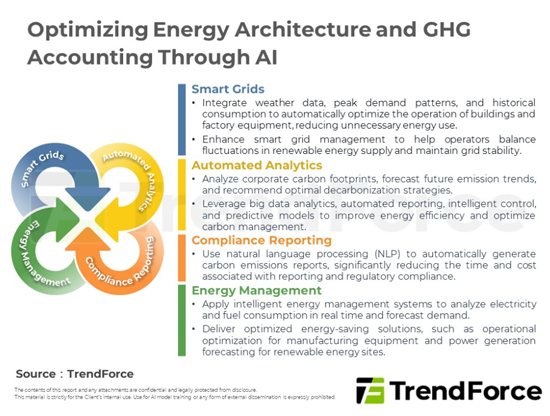
- 在政策支援下,人工智慧的进步正成为环境、社会和治理(ESG)实施以及实现净零排放的关键驱动力。
目录
第一章:全球排放成长趋势
第二章:各国净零排放转型现况
第三章:製造业净零排放转型的挑战与策略因应
第四章:科技创新与绿色转型的融合
第五章:净零排放转型的关键挑战
第六章:TRI的视角
简介目录
Product Code: TRi-166
The global net-zero transition continues to gain momentum, driven by carbon pricing mechanisms such as emissions trading, carbon fees, and cap-and-trade systems. In response, major manufacturers are advancing net-zero commitments and strategies, while AI applications are increasingly recognized as a key enabler of corporate net-zero transformation.
Key Highlights
- In 2025, carbon pricing mechanisms operating worldwide cover about 28% of global greenhouse gas emissions. The World Bank notes that prices remain too low; therefore, further increases are expected.
- The EU plans to implement the Carbon Border Adjustment Mechanism (CBAM) in 2027. Meanwhile, Asian economies are advancing carbon policies -Japan via credit trading, South Korea by expanding its emissions trading system, and Taiwan through carbon credit trading and an upcoming carbon fee targeting major emitters.
- Technology leaders are committing to renewable energy goals and collaborating with suppliers to reduce emissions across operations and value chains.
- Manufacturers face growing net-zero pressures, driving the need to upgrade processes, energy structures, and circular economy practices.
- AI advancement, supported by policy, is becoming a key enabler for ESG execution and net-zero achievement.
Table of Contents
1. Global Emission Growth Trends
2. Status of Net-Zero Transitions Across Countries
3. Challenges and Strategic Responses for Manufacturing Net-Zero Transformation
4. Convergence of Technological Innovation and Green Transformation
5. Key Challenges Facing Net-Zero Transition
6. TRI's View
02-2729-4219
+886-2-2729-4219

 智慧製造市场规模、份额、趋势和预测:按组件、技术、最终用途和地区划分,2026-2034 年
 2026年全球智慧製造市场报告2026年全球云端製造市场报告
 智慧製造市场分析及预测(至2035年):按类型、产品类型、服务、技术、组件、应用、设备、流程及最终用户划分智慧製造平台市场分析及预测(至2035年):按类型、产品类型、服务、技术、组件、应用、部署类型、最终用户、功能和解决方案划分Dark Factory全球市场报告2026
 智慧製造市场规模、占有率、成长及全球产业分析:依类型、应用和地区划分的洞察与未来预测(2026-2034)
 北美智慧製造市场:市场占有率分析、产业趋势与统计、成长预测(2026-2031)日本智慧製造市场报告(按组件、技术、最终用途和地区划分,2026-2034 年)
 智慧製造自动化市场预测至2032年:按组件、产品类型、技术、部署类型、应用、最终用户和地区分類的全球分析
▼