


 |
市场调查报告书
商品编码
1927668
全球近程武器系统 (CIWS) 市场:2026-2036 年Global Close In Weapon System (CIWS) Market 2026-2036 |
||||||

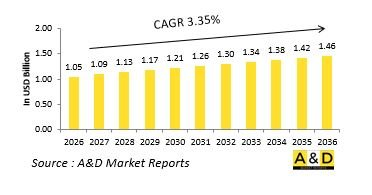
全球近程武器系统市场预计在 2026 年达到 10.5 亿美元,预计到 2036 年将达到 14.6 亿美元,2026 年至 2036 年的复合年增长率 (CAGR) 为 3.35%。
全球近程武器系统 (CIWS) 简介
近程武器系统 (CIWS) 是一种防御平台,旨在探测、追踪和摧毁飞弹、飞机和小型水面目标等近程威胁,从而保护船隻免受攻击。迫在眉睫的攻击。近程防御武器系统(CIWS)将速射火炮或飞弹拦截器与先进的雷达和追踪系统集成,可对快速移动的威胁做出自动化和即时反应。这些系统作为多层防御体系中的最后一道防线,与远程飞弹系统和舰载对抗措施相辅相成。现代CIWS平台强调速度、精度和自动化,确保在最大限度减少人为干预的情况下实现高命中率。与舰载作战管理系统的整合有助于协同防御和最佳化目标优先排序。雷达、感测器融合、弹丸设计和火控演算法方面的技术进步正在提高反应时间、目标捕获精度和生存能力。各国正投资CIWS,以加强海军防御,抵御反舰飞弹、小型舰艇和低空飞行器等非对称威胁。持续升级、模组化架构以及与广泛的海军网路的互通性确保了作战准备状态。 CIWS平台是现代海军战略的基石,提供可靠的最后一道防线,保护关键资产,并维护海上行动安全,抵御各种近程威胁。
全球近程防御武器系统 (CIWS) 的技术影响
技术创新显着提升了近程防御武器系统 (CIWS) 的性能,提高了精度、反应速度和防御效能。雷达和光学感测器能够快速探测和追踪威胁,而先进的火控演算法则能够实现目标优先排序和交战最佳化。速射火炮和飞弹拦截系统能够及时摧毁来袭威胁。自动化减轻了操作人员的负担,并确保即使在高压交战中也能保持稳定的性能。与舰载作战系统和网路化防御架构的整合提高了态势感知能力,并实现了多艘舰艇之间的协同作战。反隐身雷达、多光谱感测器和自适应目标瞄准技术增强了舰艇在面对现代反舰威胁时的生存能力。材料创新,包括耐热合金和轻质复合材料,支援高速运行并提高了耐久性。软体定义控制系统无需对硬体进行重大改造即可适应和升级不断变化的威胁。感测器融合、精确瞄准和快速响应的结合确保了近程防御武器系统(CIWS)能够有效对抗飞弹、飞机和快速接近的水面舰艇。技术创新不断推动响应时间、可靠性和作战整合的改进,巩固了CIWS作为多层海上防御和现代海上安全战略关键组成部分的地位。
全球CIWS的关键驱动因素
日益增长的海上威胁,包括先进反舰飞弹、快速攻击艇和低空飞机攻击,正在推动全球对CIWS的需求。现代海军战略强调多层防御,使CIWS成为关键资产的最后一道防线。感测器系统、火控、自动化和瞄准精度的技术进步提高了系统效能,并支援舰队现代化。海军舰队扩建、近岸防御优先事项和战略海上安全倡议推动了CIWS平台的采购和升级。与作战管理系统、网路化作战和多舰协同作战的整合提高了作战效率和态势感知能力。 地缘政治紧张局势、非对称威胁以及对快速反应能力的需求,正在强化对自动化高速防御系统的需求。国防现代化、国际合作和国内生产项目的预算拨款进一步推动了此类系统的应用。作战经验表明,需要可靠的最后一道防线来保护船隻和关键海上基础设施。不断演变的威胁、技术进步、战略重点和作战需求共同构成了全球近程防御武器系统(CIWS)成长的主要驱动力。 全球近程防御武器系统(CIWS)区域发展趋势 各区域的CIWS部署反映了各国海军的优先事项、威胁感知和技术能力。北美强调高度自动化、网路整合的系统,用于多域舰队保护和增强生存能力。欧洲强调精确性、可靠性和适应性,重点在于与盟国海军相容的模组化、互通平台。亚太地区的成长动力来自区域海上衝突、舰队扩张以及需要最后一道防线的现代化计画。中东国家优先考虑海岸防御、战略资产保护和快速威胁反应,通常透过国际合作部署近程防御武器系统(CIWS)。非洲和南美洲正在采用经济高效的平台来加强海岸安全、应对非对称威胁并保护关键基础设施。在全球范围内,发展趋势包括与雷达和感测器网路整合、软体驱动的升级以及提高对新兴威胁的反应速度。海军预算、技术基础设施和威胁感知的区域差异影响着采购和部署策略。近程防御武器系统平台仍然是现代海军防御的核心组成部分,为舰艇提供可靠的最后一道防线,并支援全球海上安全。
主要近程防御武器系统项目:
雷神公司(RTX旗下公司)已获得美国海军一份价值2.05亿美元的合同,用于支持 "密集阵" 近程防御武器系统的持续生产。该合约包括系统升级、改装、大修以及相关设备的交付。 "密集阵" 近防系统是海军舰艇的最后一道防线,在保护舰员免受迫在眉睫的威胁方面发挥着至关重要的作用。这份合约体现了美国海军对该系统效能和可靠性的持续信心。 "密集阵" 近防系统是一种高射速、雷达导引、电脑控制的火炮系统,旨在对抗反舰飞弹和其他能够穿透外围防御的近程威胁。该系统已部署在美国海军所有级别的水面作战舰艇上,并在24个盟国海军中服役。该系统的作战价值在2024年1月得到了充分体现:当时 "格拉维利号" 驱逐舰在红海拦截了一枚即将命中目标的胡塞武装飞弹,保护了300多名舰员的安全。合约工作将在肯塔基州路易斯维尔和其他美国设施进行,直至2029年。
目录
进入武器系统市场 - 目录
武器系统市场报告定义
武器系统市场区隔
按平台
按地区
按类型
未来十年武器系统市场分析
本章详细概述了近程武器系统市场的成长、趋势变化、技术应用概况和市场吸引力,并对未来十年的近程武器系统市场进行了分析。
近程武器系统市场技术
本节讨论了预计将影响该市场的十大技术,以及这些技术可能对整体市场产生的潜在影响。
全球武器系统市场预测
以上各部分详细阐述了未来十年全球武器系统市场的预测。
区域武器系统市场趋势与预测
本部分涵盖区域武器系统市场的趋势、驱动因素、限制因素、挑战以及政治、经济、社会和技术因素。此外,也提供详细的区域市场预测和情境分析。区域分析最后包括主要公司概况、供应商状况和公司基准分析。
北美
驱动因素、限制因素与挑战
PEST分析
市场预测与情境分析
主要公司
供应商层级结构
公司标竿分析
欧洲
中东
亚太地区
南美洲
近程武器系统市场国家分析
本章涵盖该市场的主要国防项目以及最新的新闻和专利申请。此外,本章也提供未来十年各国的市场预测和情境分析。
美国
国防项目
最新消息
专利
当前市场技术成熟度
市场预测与情境分析
加拿大
义大利
法国
德国
荷兰
比利时
西班牙
瑞典
希腊
澳洲
南非
印度
中国
俄罗斯
南非
韩国
日本
马来西亚
新加坡
巴西
近程武器系统市场机会矩阵
机会矩阵帮助读者了解该市场中高机会细分领域。
专家对近程武器系统市场报告的意见
本报告总结了我们专家对该市场未来前景的意见。
结论
关于航空与国防市场报告
-The Global Close in Weapon System market is estimated at USD 1.05 billion in 2026, projected to grow to USD 1.46 billion by 2036 at a Compound Annual Growth Rate (CAGR) of 3.35% over the forecast period 2026-2036.
Introduction to Global Close In Weapon System (CIWS)
Close In Weapon Systems are defensive platforms designed to detect, track, and neutralize short-range threats such as missiles, aircraft, and small surface targets, protecting naval vessels from imminent attacks. CIWS integrate rapid-fire guns or missile interceptors with advanced radar and tracking systems to provide automated, immediate response against fast-moving threats. These systems serve as the final protective layer in layered defense architectures, complementing long-range missile systems and shipboard countermeasures. Modern CIWS platforms emphasize speed, accuracy, and automation, allowing minimal human intervention while ensuring high engagement success rates. Integration with ship combat management systems facilitates coordinated defense and optimized target prioritization. Technological developments in radar, sensor fusion, projectile design, and fire control algorithms have enhanced reaction time, targeting precision, and survivability. Nations invest in CIWS to strengthen naval defense against asymmetric threats, including anti-ship missiles, small boats, and low-flying aircraft. Continuous upgrades, modular configurations, and interoperability with broader naval networks ensure operational readiness. CIWS platforms are integral to modern naval strategy, providing reliable last-line defense, protecting critical assets, and maintaining maritime operational security against diverse short-range threats.
Technology Impact in Global Close In Weapon System (CIWS)
Technological innovation has significantly improved the capabilities of CIWS, enhancing accuracy, reaction speed, and defensive effectiveness. Radar and optical sensors provide rapid threat detection and tracking, while advanced fire control algorithms prioritize targets and optimize engagement. High-rate-of-fire guns and missile interceptors enable timely neutralization of incoming threats. Automation reduces operator workload and ensures consistent performance during high-pressure engagements. Integration with shipboard combat systems and networked defense architectures improves situational awareness and coordinated responses across multiple vessels. Stealth-resistant radar, multi-spectral sensors, and adaptive targeting enhance survivability against modern anti-ship threats. Materials innovation, including heat-resistant alloys and lightweight composites, supports high-speed operation and extended durability. Software-defined control systems allow upgrades and adaptability to evolving threats without extensive hardware modifications. The combination of sensor fusion, precision targeting, and rapid response ensures CIWS remain effective against missiles, aircraft, and fast-approaching surface vessels. Technology continues to drive improvements in reaction time, reliability, and operational integration, solidifying CIWS as a critical component of layered naval defense and modern maritime security strategies.
Key Drivers in Global Close In Weapon System (CIWS)
Global CIWS demand is driven by increasing naval threats, including advanced anti-ship missiles, fast attack craft, and low-altitude aerial attacks. Modern naval strategies emphasize layered defense, making CIWS essential for last-line protection of high-value assets. Technological progress in sensor systems, fire control, automation, and targeting accuracy enhances system effectiveness and supports fleet modernization. Naval fleet expansion, coastal defense priorities, and strategic maritime security initiatives encourage procurement and upgrades of CIWS platforms. Integration with combat management systems, networked operations, and multi-vessel coordination increases operational efficiency and situational awareness. Geopolitical tensions, asymmetric threats, and the need for rapid response capabilities reinforce demand for automated, high-speed defense systems. Budget allocation toward defense modernization, international collaboration, and indigenous production programs further drives adoption. Operational experience demonstrates the necessity of reliable last-resort defenses to safeguard vessels and critical maritime infrastructure. Collectively, threat evolution, technological advancement, strategic priorities, and operational requirements form the key drivers of CIWS growth worldwide.
Regional Trends in Global Close In Weapon System (CIWS)
Regional adoption of CIWS reflects naval priorities, threat perceptions, and technological capabilities. North America emphasizes highly automated, network-integrated systems designed for multi-domain fleet protection and high survivability. Europe focuses on modular, interoperable platforms compatible with allied naval forces, emphasizing precision, reliability, and adaptability. Asia-Pacific growth is driven by regional maritime disputes, fleet expansion, and modernization programs requiring last-line defensive solutions. Middle Eastern nations prioritize coastal protection, strategic asset defense, and rapid threat response, often acquiring CIWS through international partnerships. African and South American regions adopt cost-effective platforms to enhance coastal security, counter asymmetric threats, and protect vital infrastructure. Across regions, trends include integration with radar and sensor networks, software-driven upgrades, and enhanced reaction time against emerging threats. Regional differences in naval budgets, technological infrastructure, and threat perception shape procurement and deployment strategies. CIWS platforms remain a central component of modern naval defense, providing reliable last-resort protection for vessels and supporting global maritime security.
Key Close in Weapon System Program:
Raytheon, an RTX business, has secured a $205 million contract from the U.S. Navy to support the continued production of the Phalanx Close-In Weapon System. The agreement includes the delivery of system upgrades, conversions, overhauls, and associated equipment. Phalanx serves as the Navy's final layer of ship self-defense, providing critical protection for sailors against immediate threats. The award reflects the U.S. Navy's continued confidence in the system's effectiveness and reliability. The Phalanx CIWS is a high-rate, radar-guided, computer-controlled gun system designed to counter anti-ship missiles and other close-range threats that penetrate outer defense layers. It is deployed across all classes of U.S. Navy surface combatants and is also in service with the navies of 24 allied countries. The system's operational value was demonstrated in January 2024, when USS Gravely successfully intercepted a Houthi missile in the Red Sea moments before impact, safeguarding more than 300 crew members. Contract work will be performed in Louisville, Kentucky, and at other U.S. facilities through 2029.
Table of Contents
Close In Weapon System Market - Table of Contents
Close In Weapon System Market Report Definition
Close In Weapon System Market Segmentation
By Platform
By Region
By Type
Close In Weapon System Market Analysis for next 10 years
The 10-year close in weapon system market analysis would give a detailed overview of close in weapon system market growth, changing dynamics, technology adoption overviews and the overall market attractiveness is covered in this chapter.
Market Technologies of Close In Weapon System Market
This segment covers the top 10 technologies that is expected to impact this market and the possible implications these technologies would have on the overall market.
Global Close In Weapon System Market Forecast
The 10-year close in weapon system forecast of this market is covered in detailed across the segments which are mentioned above.
Regional Close In Weapon System Market Trends & Forecast
The regional close in weapon system market trends, drivers, restraints and Challenges of this market, the Political, Economic, Social and Technology aspects are covered in this segment. The market forecast and scenario analysis across regions are also covered in detailed in this segment. The last part of the regional analysis includes profiling of the key companies, supplier landscape and company benchmarking.
North America
Drivers, Restraints and Challenges
PEST
Market Forecast & Scenario Analysis
Key Companies
Supplier Tier Landscape
Company Benchmarking
Europe
Middle East
APAC
South America
Country Analysis of Close In Weapon System Market
This chapter deals with the key defense programs in this market, it also covers the latest news and patents which have been filed in this market. Country level 10 year market forecast and scenario analysis are also covered in this chapter.
US
Defense Programs
Latest News
Patents
Current levels of technology maturation in this market
Market Forecast & Scenario Analysis
Canada
Italy
France
Germany
Netherlands
Belgium
Spain
Sweden
Greece
Australia
South Africa
India
China
Russia
South Korea
Japan
Malaysia
Singapore
Brazil
Opportunity Matrix of Close In Weapon System Market
The opportunity matrix helps the readers understand the high opportunity segments in this market.
Expert Opinions on Close In Weapon System Market Report
Hear from our experts their opinion of the possible outlook for this market.
Conclusions
About Aviation and Defense Market Report
List of Tables
- Table 1: 10 Year Market Outlook, 2026-2036
- Table 2: Drivers, Impact Analysis, North America
- Table 3: Restraints, Impact Analysis, North America
- Table 4: Challenges, Impact Analysis, North America
- Table 5: Drivers, Impact Analysis, Europe
- Table 6: Restraints, Impact Analysis, Europe
- Table 7: Challenges, Impact Analysis, Europe
- Table 8: Drivers, Impact Analysis, Middle East
- Table 9: Restraints, Impact Analysis, Middle East
- Table 10: Challenges, Impact Analysis, Middle East
- Table 11: Drivers, Impact Analysis, APAC
- Table 12: Restraints, Impact Analysis, APAC
- Table 13: Challenges, Impact Analysis, APAC
- Table 14: Drivers, Impact Analysis, South America
- Table 15: Restraints, Impact Analysis, South America
- Table 16: Challenges, Impact Analysis, South America
- Table 17: Scenario Analysis, Scenario 1, By Region, 2026-2036
- Table 18: Scenario Analysis, Scenario 1, By Platform, 2026-2036
- Table 19: Scenario Analysis, Scenario 1, By Type, 2026-2036
- Table 20: Scenario Analysis, Scenario 2, By Region, 2026-2036
- Table 21: Scenario Analysis, Scenario 2, By Platform, 2026-2036
- Table 22: Scenario Analysis, Scenario 2, By Type, 2026-2036
List of Figures
- Figure 1: Global CIWS Market Forecast, 2026-2036
- Figure 2: Global CIWS Market Forecast, By Region, 2026-2036
- Figure 3: Global CIWS Market Forecast, By Platform, 2026-2036
- Figure 4: Global CIWS Market Forecast, By Type, 2026-2036
- Figure 5: North America, CIWS Market, Market Forecast, 2026-2036
- Figure 6: Europe, CIWS Market, Market Forecast, 2026-2036
- Figure 7: Middle East, CIWS Market, Market Forecast, 2026-2036
- Figure 8: APAC, CIWS Market, Market Forecast, 2026-2036
- Figure 9: South America, CIWS Market, Market Forecast, 2026-2036
- Figure 10: United States, CIWS Market, Technology Maturation, 2026-2036
- Figure 11: United States, CIWS Market, Market Forecast, 2026-2036
- Figure 12: Canada, CIWS Market, Technology Maturation, 2026-2036
- Figure 13: Canada, CIWS Market, Market Forecast, 2026-2036
- Figure 14: Italy, CIWS Market, Technology Maturation, 2026-2036
- Figure 15: Italy, CIWS Market, Market Forecast, 2026-2036
- Figure 16: France, CIWS Market, Technology Maturation, 2026-2036
- Figure 17: France, CIWS Market, Market Forecast, 2026-2036
- Figure 18: Germany, CIWS Market, Technology Maturation, 2026-2036
- Figure 19: Germany, CIWS Market, Market Forecast, 2026-2036
- Figure 20: Netherlands, CIWS Market, Technology Maturation, 2026-2036
- Figure 21: Netherlands, CIWS Market, Market Forecast, 2026-2036
- Figure 22: Belgium, CIWS Market, Technology Maturation, 2026-2036
- Figure 23: Belgium, CIWS Market, Market Forecast, 2026-2036
- Figure 24: Spain, CIWS Market, Technology Maturation, 2026-2036
- Figure 25: Spain, CIWS Market, Market Forecast, 2026-2036
- Figure 26: Sweden, CIWS Market, Technology Maturation, 2026-2036
- Figure 27: Sweden, CIWS Market, Market Forecast, 2026-2036
- Figure 28: Brazil, CIWS Market, Technology Maturation, 2026-2036
- Figure 29: Brazil, CIWS Market, Market Forecast, 2026-2036
- Figure 30: Australia, CIWS Market, Technology Maturation, 2026-2036
- Figure 31: Australia, CIWS Market, Market Forecast, 2026-2036
- Figure 32: India, CIWS Market, Technology Maturation, 2026-2036
- Figure 33: India, CIWS Market, Market Forecast, 2026-2036
- Figure 34: China, CIWS Market, Technology Maturation, 2026-2036
- Figure 35: China, CIWS Market, Market Forecast, 2026-2036
- Figure 36: Saudi Arabia, CIWS Market, Technology Maturation, 2026-2036
- Figure 37: Saudi Arabia, CIWS Market, Market Forecast, 2026-2036
- Figure 38: South Korea, CIWS Market, Technology Maturation, 2026-2036
- Figure 39: South Korea, CIWS Market, Market Forecast, 2026-2036
- Figure 40: Japan, CIWS Market, Technology Maturation, 2026-2036
- Figure 41: Japan, CIWS Market, Market Forecast, 2026-2036
- Figure 42: Malaysia, CIWS Market, Technology Maturation, 2026-2036
- Figure 43: Malaysia, CIWS Market, Market Forecast, 2026-2036
- Figure 44: Singapore, CIWS Market, Technology Maturation, 2026-2036
- Figure 45: Singapore, CIWS Market, Market Forecast, 2026-2036
- Figure 46: United Kingdom, CIWS Market, Technology Maturation, 2026-2036
- Figure 47: United Kingdom, CIWS Market, Market Forecast, 2026-2036
- Figure 48: Opportunity Analysis, CIWS Market, By Region (Cumulative Market), 2026-2036
- Figure 49: Opportunity Analysis, CIWS Market, By Region (CAGR), 2026-2036
- Figure 50: Opportunity Analysis, CIWS Market, By Platform (Cumulative Market), 2026-2036
- Figure 51: Opportunity Analysis, CIWS Market, By Platform (CAGR), 2026-2036
- Figure 52: Opportunity Analysis, CIWS Market, By Type (Cumulative Market), 2026-2036
- Figure 53: Opportunity Analysis, CIWS Market, By Type (CAGR), 2026-2036
- Figure 54: Scenario Analysis, CIWS Market, Cumulative Market, 2026-2036
- Figure 55: Scenario Analysis, CIWS Market, Global Market, 2026-2036
- Figure 56: Scenario 1, CIWS Market, Total Market, 2026-2036
- Figure 57: Scenario 1, CIWS Market, By Region, 2026-2036
- Figure 58: Scenario 1, CIWS Market, By Platform, 2026-2036
- Figure 59: Scenario 1, CIWS Market, By Type, 2026-2036
- Figure 60: Scenario 2, CIWS Market, Total Market, 2026-2036
- Figure 61: Scenario 2, CIWS Market, By Region, 2026-2036
- Figure 62: Scenario 2, CIWS Market, By Platform, 2026-2036
- Figure 63: Scenario 2, CIWS Market, By Type, 2026-2036
- Figure 64: Company Benchmark, CIWS Market, 2026-2036


